Brunello di Montalcino 2019
There are hundreds of Brunello di Montalcino wines. Our Italian buyer, Orazio Campoli, tastes them every year. He’s not just looking for quality—that’s a given. He’s hunting for something elusive: a wine that possesses the soul of the place it comes from. This is the bottle he found. It’s not the loudest or the most obvious. It’s the one that speaks with the clearest voice. This is our Discovery Series Brunello.
- Area
- Castelnuovo dell'Abate, Montalcino
- Characteristics
- Powerful, generous, and structured
- Grape Variety
- 100% Sangiovese Grosso
- Soil Type
- Galestro, Clay
- Alcohol
- 14%
- Tasting Notes
- Dark cherry and wild herb aromatics on a structured, long palate
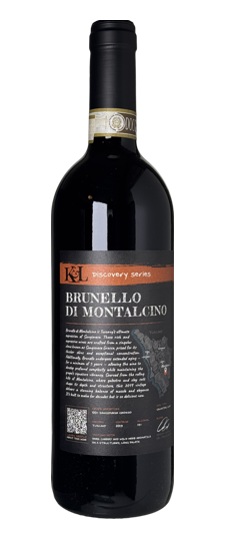
The legendary 2019 vintage demanded a truly special Brunello for our series. I found it on the warmer, southern slopes of Montalcino, from a family estate renowned for its powerful, savory, and terroir-driven wines. This is a classic expression of the Castelnuovo dell'Abate subzone: deep aromas of black cherry, licorice, and balsamic herbs dominate the nose. The palate is structured and full-bodied, with firm, noble tannins and a long, savory finish that speaks to its warm terroir. This is a powerful, old-school Brunello built for the cellar, from a producer who truly captures the soul of southern Montalcino.
Not all Brunello is created equal. The character of the wine is profoundly shaped by where on the Montalcino hill the grapes are grown. This small area contains a stunning diversity of altitudes, soils, and microclimates, creating distinct styles.
The Northern Slopes
Cooler, higher-altitude vineyards north of the town of Montalcino yield aromatic, elegant, and high-acid wines. The soils are rich in 'galestro' marl, producing structured Brunellos with bright red fruit, floral notes, and incredible aging potential.
The Southern Slopes
Facing the sea and Mount Amiata, the southern zones like Sant'Angelo in Colle are warmer and drier. Here, the clay-heavy soils produce richer, more powerful, and darker-fruited wines. They are often more approachable in their youth, with plush textures and riper tannins.
Sangiovese is the soul of central Italy and the country's most planted grape variety. Its name derives from the Latin "sanguis Jovis," meaning "the blood of Jupiter," hinting at its ancient origins and noble character. The grape is a chameleon, changing its expression based on where it's grown.
In Montalcino, the specific clone known as Sangiovese Grosso (or Brunello) finds its ultimate expression. It is prized for its thicker skins, which yield wines with powerful tannins, intense aromatics, and a remarkable capacity to age and develop complexity for decades.
Within Montalcino, a great debate defines the style of many wines: the traditionalist versus the modernist approach. Understanding this helps explain the wonderful diversity found from bottle to bottle.
The Traditionalist
- Winemaking: Long maceration times (30+ days) to extract maximum flavor and tannin. Aging occurs in massive, old Slavonian oak casks ('botti') that impart very little oak flavor, preserving the pure character of the Sangiovese grape.
- The Resulting Wine: Pale in color, with savory aromas of earth, leather, and dried cherry. The wines are fiercely tannic in their youth and require years of cellaring to soften and reveal their profound complexity. They are built for the long haul.
The Modernist
- Winemaking: Shorter maceration times for a softer profile. Aging is done in small, new French oak barrels ('barriques') which impart notes of vanilla, toast, and spice, and help to soften the tannins more quickly.
- The Resulting Wine: Deeper in color, with a plusher texture and more forward fruit. Aromas of black cherry, plum, and mocha are common. These wines are often approachable much earlier, designed to be enjoyed for their rich fruit and polished texture.