St-Estèphe 2016
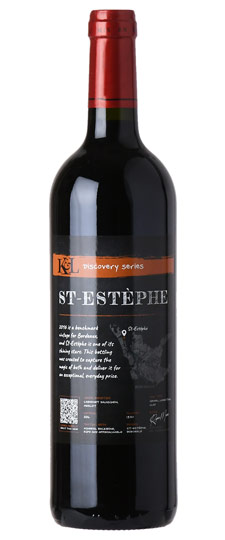
St-Estèphe is the northernmost of the great Médoc appellations, known for producing powerful, long-lived wines. For our Discovery Series, we found an insider's pick from the standout 2016 vintage—a wine that combines the appellation's classic structure with a surprising silkiness and drive. This is the sleeper of the series.
- Area
- St-Estèphe, Bordeaux
- Characteristics
- Powerful, savory, silky
- Grape Variety
- Cabernet Sauvignon Blend
- Soil Type
- Clay over Gravel
- Alcohol
- 14%
- Tasting Notes
- Dark currant, cedar, tobacco, and wet earth with fine, powerful tannins
The terroir of St-Estèphe is unique in the Médoc. While it shares the gravel base of its southern neighbors, it is defined by a heavy clay topsoil. This clay retains water, which can be a challenge in wet years but is a huge advantage in hot, dry vintages, helping the grapes to maintain freshness and avoid stress.
This terroir is the source of St-Estèphe's powerful structure and deeply savory, earthy character. The wines are often described as being more rustic and powerful than other Left Bank appellations, with a signature note of minerality and the ability to age for many decades.
The 2016 vintage was a standout in the northern Médoc. A wet spring was followed by a long, dry, and sunny summer, allowing the grapes to ripen perfectly. The clay soils of St-Estèphe were a huge asset, providing just enough water to the vines to create wines with both powerful structure and incredible fine detail.
The 2016s from this appellation are known for their silky texture, savory notes, and immense aging potential. They are considered modern classics that combine the best of Left Bank power with a newfound elegance and precision.
The Gironde estuary divides Bordeaux into two distinct regions, the Left Bank and the Right Bank, each with its own unique terroir and winemaking philosophy that defines the style of its wines.
The Left Bank
- Dominant Grape: Cabernet Sauvignon is king, prized for its structure, power, and aging potential.
- Soil Type: Deep beds of gravel, which retain heat and provide excellent drainage, are perfect for ripening Cabernet Sauvignon.
- The Resulting Wine: Powerful, full-bodied, and tannic. These wines are built for the long haul, with classic notes of blackcurrant, cedar, and graphite. St-Estèphe is a classic Left Bank appellation.
The Right Bank
- Dominant Grape: Merlot is the star, celebrated for its plush texture, rich fruit, and approachability.
- Soil Type: Clay and limestone soils, which stay cooler and retain more moisture, are ideal for Merlot.
- The Resulting Wine: Softer, fruitier, and less tannic than their Left Bank counterparts. They are often described as opulent and velvety, with notes of plum, black cherry, and truffle.
Cabernet Sauvignon is a grape known for its deep color, full body, and high tannin content. It produces wines that are bold and complex, with flavors of blackcurrant, cedar, and tobacco. Cabernet Sauvignon's structure and aging potential make it a favorite among collectors.
It thrives in the gravelly soils of the Left Bank, where the warm climate allows it to ripen fully, developing rich flavors while maintaining its characteristic acidity, making it one of the most sought-after grapes in the world.