
Best Sparkling Wine Under $30
There’s nothing like sparkling wine around the holidays to help boost the festive air. We love to find wines that overdeliver for their price, so we’ve rounded up a list of some of our star sparkling values for the season. Every bottle clocks in at under $30—including Champagne from Gilbert Jacquesson, one of our small, direct-import growers. Other places to look: Crémant from France, Cava and Corpinnat from Spain, and California sparkling wine. They are all made the same way Champagne is, with a second fermentation in the bottle. Prosecco is made differently and tastes lighter and fruitier, which is why it works so well for parties and cocktails. Pet-nat is another ball game, but a fun, ancient method of achieving bubbles in bottle.
Champagne under $30
Gilbert Jacquesson "Cuvée Tradition" Blanc de Noirs Brut Champagne, $29.99
Gilbert Jacquesson is a small grower in the village of Troissy, in the Marne Valley, and the Cuvée Tradition is all estate-grown Pinot Meunier. It spends more than three years on its lees, and about half the blend is reserve wine, much of it drawn from a perpetual blend, which gives it more depth than most entry-level Champagne. Champagne buyer Gary Westby describes it as "on the richer side of brut," with spice, fruit, and toasty notes, and it finishes clean, with citrus and a chalky minerality.
Crémant and other French traditional-method wines
Best for: Drinkers who want toast, brioche, and fine bubbles.
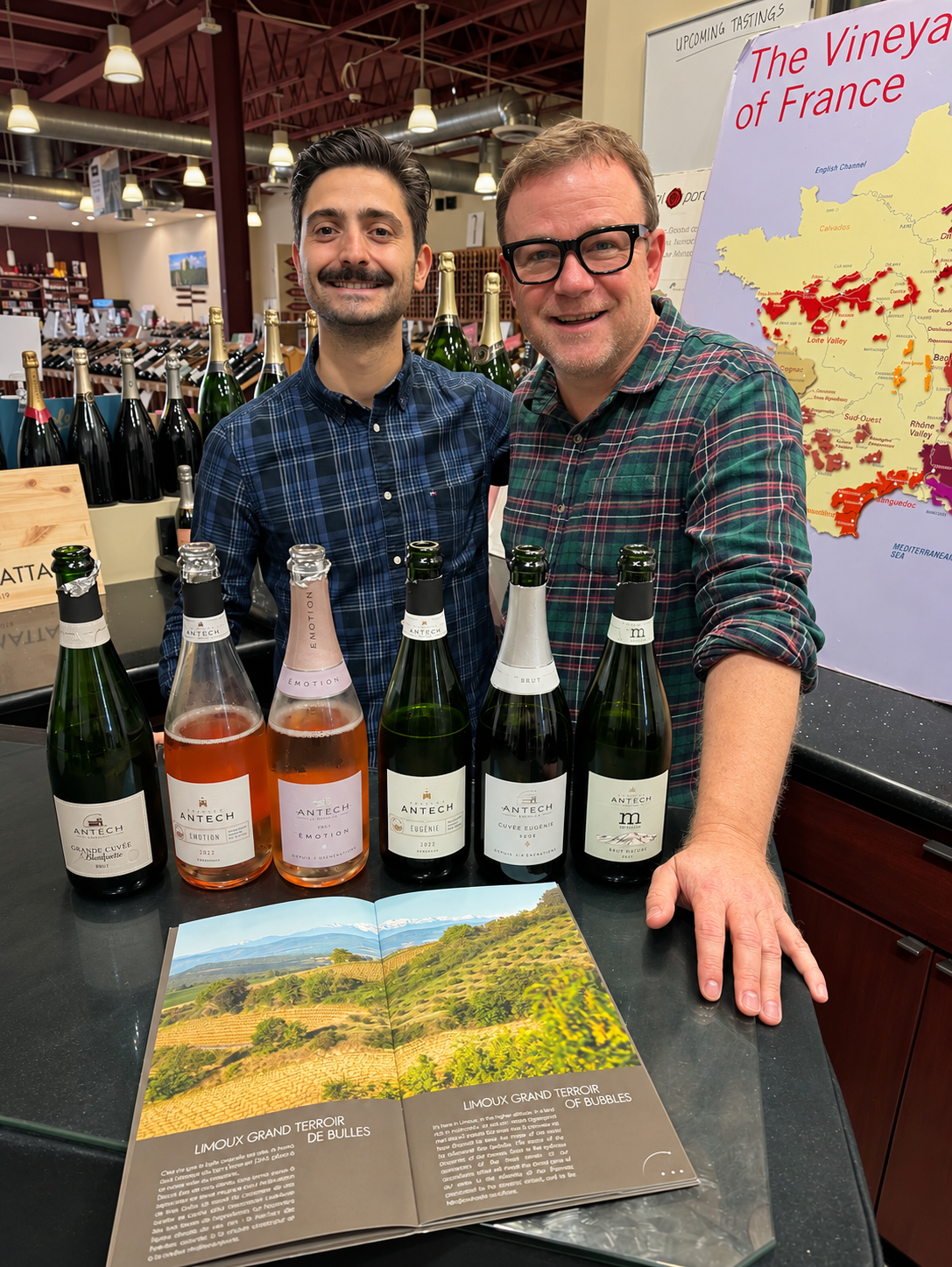
Baptiste Antech and K&L French Regional Buyer Keith Mabry at K&L Hollywood.
2023 Antech "Cuvée Eugénie" Extra Brut Crémant de Limoux, $17.99 94 points, Jeb Dunnuck
Françoise and Baptiste Antech-Gazeau make this in Limoux, in the foothills of the Pyrenees, and their wines have been on our shelves for close to 20 years. The Eugénie is 70% Chardonnay, 20% Chenin Blanc, and 10% Mauzac, aged 18 months on its lees. It was recently reclassified as Extra Brut, and the lower dosage made it more focused and precise. French Regional buyer Keith Mabry calls that change "a major turning point" for the wine. It works as an aperitif and has enough structure to stay at the table through dinner.
Maison Laudacius Brut Nature Montlouis Méthode Traditionnelle, $18.99 97 points, Decanter; 92 points, Wine Enthusiast
Montlouis-sur-Loire sits just across the river from Vouvray, and like Vouvray it grows Chenin Blanc. Maison Laudacius is a group of 18 grower families founded in 1961, all farming sustainably across the appellation's three villages. This is 100% Chenin Blanc, a year on the lees, with no dosage and no added sulfur. It is dry without tasting austere, with stone fruit and a fuller texture than you usually get from a Brut Nature.
Jean-Louis Denois "Tradition" Extra Brut Crémant de Limoux, $24.99
Jean-Louis Denois learned his trade in Champagne before settling in Limoux, where he farms organically. The Tradition is half Pinot Noir and half Chardonnay and spends at least three years on its lees before disgorgement. Expect hazelnut, red berries, and toasted bread. The dosage is low enough to put it in Extra Brut territory, but the ripe southern fruit means it drinks like a classic Brut. We have carried his wines for more than 20 years.
La Petite Marquise Crémant de Loire Brut Rosé, $14.99
A traditional-method rosé from the Loire with a pale, bright pink color, very fine and persistent bubbles, and fresh red fruit on the nose. It is lively and bright, and at $14.99 it is one of the easiest ways we know to put a pink sparkling wine on the table for a crowd.
Cava and Corpinnat (Spain)
Best for: dry, savory bubbles for parties, brunch, and the dinner table.
Mas Codina Brut Reserva Cava Penedès, $13.99
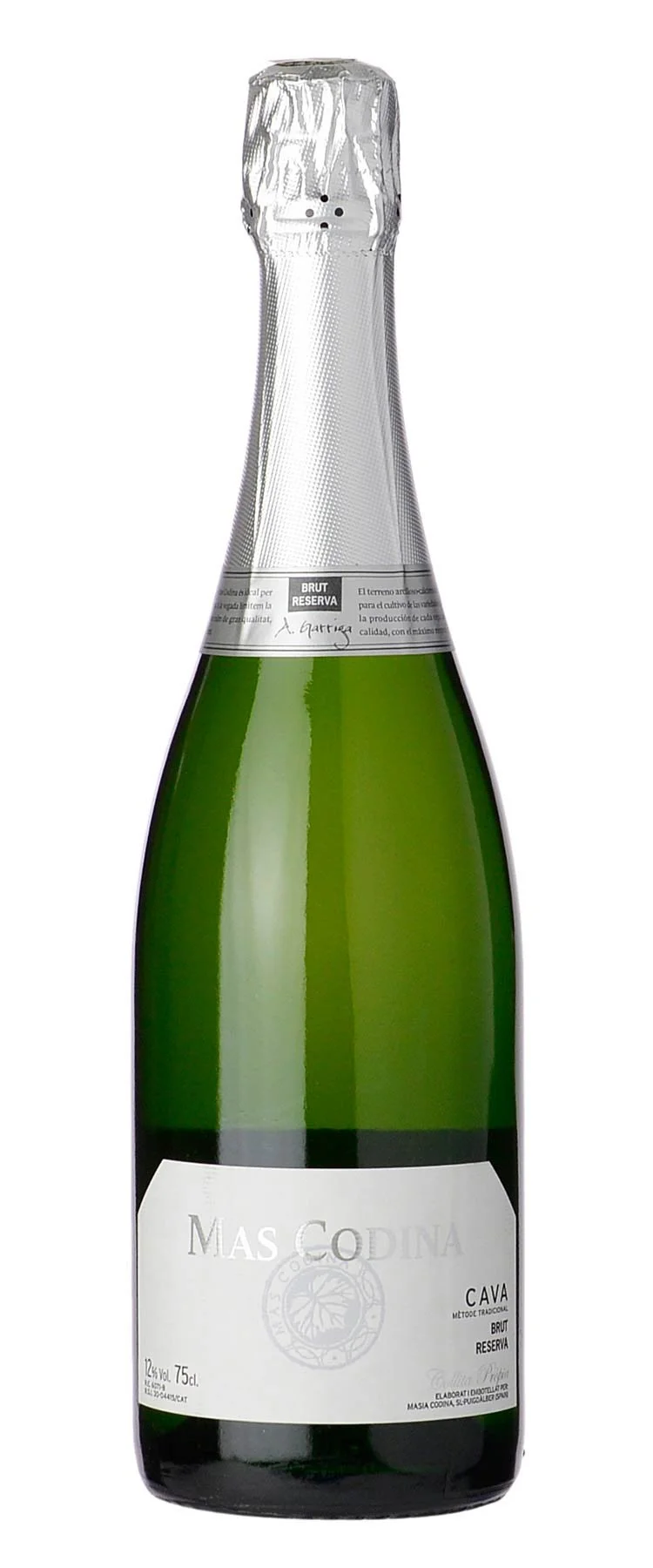
Mas Codina is a family estate in the Penedès, and we have imported their Cava directly for more than a decade. The fruit is organic and estate-grown, and the wine spends a minimum of 18 months on its lees, which gives it a creamy, toasty texture. Golden apple, quince, and lemon zest keep it fresh. Spain and Portugal buyer Rachael Ryan says it "might just be one of the greatest values we stock."
2021 Huguet de Can Feixes Brut Nature Corpinnat, $19.99
Can Feixes is one of the historic estates of the Penedès, with a winemaking history of more than 600 years. The Huguet family farms about 80 hectares organically, and every grape is estate-grown, picked by hand, and vinified on the property. Corpinnat is the group of Penedès growers who set stricter rules than Cava for farming and aging. Brut Nature means less than three grams of sugar per liter and none added after the second fermentation. The result is lean, crisp, and racy, with a sourdough note from the time on the lees.
Prosecco (Italy)
Best for: lighter, fruitier pours, spritzes, and mimosas.
Prosecco is made from Glera, and most of it gets its bubbles in a pressurized tank rather than in the bottle. That keeps the fruit forward and the texture soft, without the toasty notes of Champagne. For the best Prosecco, look for Valdobbiadene or Conegliano Valdobbiadene Superiore DOCG on the label, which means the grapes came from the steep hills where the wine originated.
San Venanzio Fortunato Brut Prosecco di Valdobbiadene Superiore, $15.99
100% Glera from the hillside vineyards of Valdobbiadene. Clean pear fruit with a hint of minerality, and more depth than most Prosecco at this price. This is the one to pour on its own.
Montechiara Prosecco, $10.99
A longtime favorite of customers and staff at K&L, and the bottle we reach for when the bubbles are going into orange juice or an Aperol spritz. At $10.99 you can open it any night of the week.
California sparkling
Best for: riper fruit, a creamy texture, and a California rosé.
J Vineyards "California Cuvée" California Brut Sparkling Wine, $19.95 91 points, James Suckling; 90 points, Wine Enthusiast
J Vineyards in Healdsburg has been making sparkling wine since 1986. The California Cuvée blends Chardonnay, Pinot Noir, and Pinot Meunier from cool-climate sites including the Russian River Valley, Santa Lucia Highlands, and Mendocino. It shows baked apple, toasted brioche, and fine bubbles, with a fresh, slightly saline finish.
2023 Brick & Mortar Sonoma Coast Brut Rosé Sparkling Wine, $24.95 95 points, James Suckling
A traditional-method rosé made from equal parts Pinot Noir and Chardonnay, organically farmed in a cool Carneros vineyard within the Sonoma Coast AVA. The grapes are picked in early August specifically for sparkling wine, and the dosage is just 2 g/L, so it is dry and racy, with the red fruit of cool-climate Pinot Noir.
Ultraviolet Blanc de Blancs California Brut Sparkling Wine, $19.95
Ultraviolet is the sparkling wine project of Napa winemaker Samantha Sheehan, and this Blanc de Blancs is new to our shelves. It is made from Chardonnay in a dry, Brut style.
Pet nat (pétillant naturel)
Best for: casual, cloudy, low-key bubbles to open with friends.
Pet nat is short for pétillant naturel, French for "naturally sparkling." It is made by the oldest method there is, often called the méthode ancestrale, which predates Champagne. Limoux, home of our Antech and Denois picks, claims it as a local invention. Instead of making a still wine and then starting a second fermentation in the bottle, the winemaker bottles the wine before its first and only fermentation has finished. The yeast keeps working in the sealed bottle, and the carbon dioxide it gives off stays in the wine as bubbles.
That simple process shapes how pet nat looks and tastes. Most are never disgorged, so the spent yeast stays in the bottle and the wine is often hazy, with some sediment at the bottom. The bubbles are softer and less forceful than Champagne's, and most pet nats are bottled with a crown cap, like a beer, rather than a cork and cage. They are usually dry, with no dosage, and taste fresh and fruity rather than toasty. Drink them young, chill them well, and open them slowly over the sink, since a warm bottle can foam over.
2025 Los Chuchaquis "Champelli Vineyard" Santa Ynez Valley Pet Nat Albariño, $19.95
Los Chuchaquis is a joint venture between winemakers Ryan Stirm and Jehan Hakimian, who work with organically farmed, cool-climate sites on California's Central Coast. This pet nat is made from Albariño, the white grape of Spain's Rías Baixas, grown in the Santa Ynez Valley. Albariño's citrus and saline edge suits the style, and the wine is bright, tangy, and easy to drink. [Buyer note: one sentence on this vintage.
FAQ
Is Crémant or Cava closer to Champagne?
Both are made in the traditional method, with the second fermentation in the bottle, so both have the fine bubbles and bready, toasty notes of Champagne. Crémant is usually closer in flavor because many Crémants use Chardonnay and Pinot Noir, the same grapes as Champagne. Cava relies mostly on Spanish grapes (Macabeo, Xarel-lo, and Parellada), which give it a drier, more savory, slightly earthy style. If you like Blanc de Blancs Champagne, start with Crémant. If you like very dry Extra Brut Champagne, try a Brut Nature Cava or Corpinnat.
Is Prosecco worth buying?
Yes, for what it does well. Prosecco is lighter, fruitier, and softer than Champagne, which makes it a good choice for brunch, big parties, and cocktails like spritzes and mimosas. For the best quality, look for Valdobbiadene Superiore DOCG on the label.
What do Brut, Extra Brut, and Brut Nature mean?
They describe how much sugar is in the finished wine. Brut has up to 12 grams per liter, Extra Brut up to six grams, and Brut Nature less than three grams with no sugar added after the second fermentation. All three taste dry. Brut Nature is the leanest and most bracing.
How should I serve and store sparkling wine?
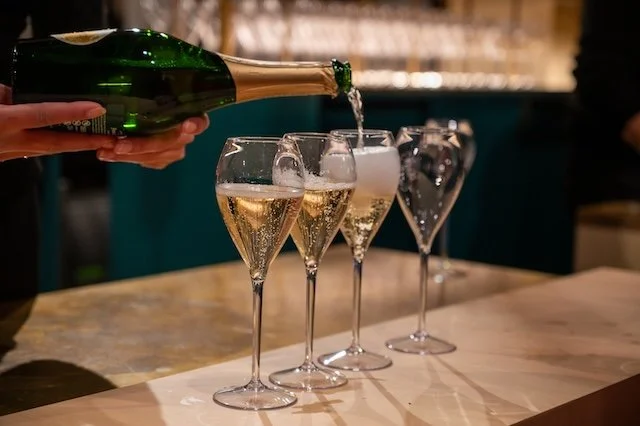
Serve traditional-method wines like Crémant and Cava at about 45 to 50°F, and Prosecco a little colder. A white wine glass shows more aroma than a narrow flute. Store unopened bottles on their side somewhere cool and dark. Once opened, close the bottle with a sparkling wine stopper and keep it in the fridge; it will hold its bubbles for a day or two.
Our pick is the Lehmann "Jamesse Reference" Grand Champagne Glass ($12.99), which has room for the aromas to open up while still keeping the bubbles going. It ships in 6-packs.