
2025 Bordeaux Futures Campaign: Pricing, Quality & Strategy | K&L
The 2025 Bordeaux Futures Campaign may mark the most compelling alignment of price, quality, and scarcity in nearly a decade. After several uneven campaigns, market conditions and vintage character have finally converged—delivering expressive, terroir‑driven wines at pricing levels rarely seen in recent years. With yields sharply down, alcohol levels moderate, and standout estates delivering exceptional results, 2025 rewards informed buyers who act early. This guide breaks down what’s driving the campaign, where the real value lies, and how K&L is navigating futures for collectors.
The Comeback: The 2025 Bordeaux Futures Campaign
Bordeaux futures have taken their share of criticism in recent years, but I continue to believe that a strong campaign benefits both collectors in the U.S. and the producers in Bordeaux striving to make the most of each vintage. At its best, the campaign celebrates the growing season, rewards savvy buyers, engages new collectors, and highlights the most dynamic wines of a given harvest.
The challenge, of course, is that futures campaigns don’t always align neatly with the vintage itself. Bordeaux pricing often assumes that quality and price move in tandem—but in reality, vintage quality is only one dimension. Market conditions are the other. Over time, these factors tend to move independently, like separate waves on their own cycles.
What defines a great campaign is when those waves align. Think of the 2019s—discounted yet delicious—released during the pandemic. Or the 2016s, where strong pricing coincided with exceptional quality.
That’s what makes 2025 so compelling. The intersection of vintage quality and market conditions suggests a campaign worth watching closely. Prices are likely to impress, and the wines themselves are largely high-quality, expressive of terroir, and notably distinctive.
At its core, a successful campaign hinges on three key elements: sharp pricing, limited access, and high quality. Together, these create a sense of urgency—and form the foundation of Bordeaux futures.
Let’s take a look at how 2025 is shaping up across these dimensions.
Why 2025 Is a Moment of Alignment
Sharp pricing
Early indications suggest that 2025 pricing will fall between the 2023 and 2024 vintages, with some releases potentially leaning closer to 2024 levels—among the lowest seen in the past five years. Not every estate embraced aggressive pricing in 2024, but it remains a useful benchmark for value.Limited access
Yields are down significantly—by 40% to 60% in many areas. While Bordeaux is vast and supply will still circulate through the market, reduced production combined with favorable pricing and strong quality may result in tighter initial availability.High quality
The 2025 vintage is defined by contrast: a warm growing season paired with high acidity, firm structure, and low yields. It’s a combination that makes comparisons difficult—this is a somewhat singular vintage. While not positioning it as “best ever,” many wines stand out as exceptional expressions of their estates, and I expect they will be a joy to follow over time.
2025 Vintage Conditions
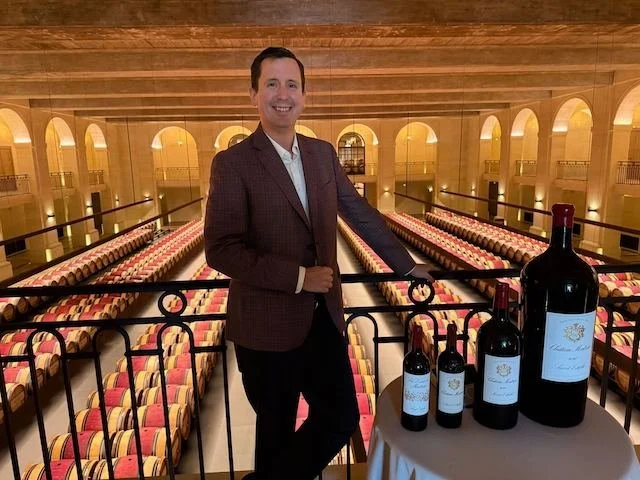
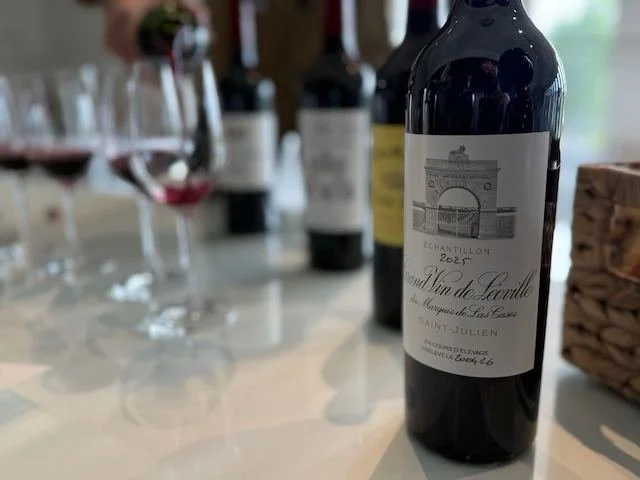
We approached the 2025 vintage cautiously, looking to avoid the early hype—but a first taste of Montrose (and even Dame de Montrose) immediately cut through the noise. It’s another great wine in a remarkable run of success. Still, as always, it took several days and hundreds of samples for the broader character of the vintage to fully reveal itself.
The headline story for 2025 is rain and low yields—but not in the way one might expect. The reduced yields were not driven by hail or disease pressure, but rather as a knock-on effect from the stresses of the 2024 vintage. Flowering was uneven, and the vines simply produced less fruit.
Spring conditions were largely idyllic, but summer quickly turned hot, producing dense, concentrated fruit that pushed ripeness to its limits. Cool evenings offered some balance, but it was the well-timed rains in late August that ultimately defined the vintage—allowing phenolic ripeness to progress and leading to an early harvest, one of the earliest since 1989.
These conditions yielded wines with a distinctive profile. The warmth allowed both Cabernet and Merlot to achieve full ripeness, while small berries contributed significant tannic structure. Winemaking decisions—particularly gentle extraction and lower fermentation temperatures—were critical in preserving balance. The result is wines with impressive flavor intensity and aromatic lift, yet without excessive weight.
Despite the warmth of the growing season, this is not a high-alcohol vintage. Most wines fall in the 13% to 13.5% range, contributing to a sense of freshness and approachability. Where estates executed well, the wines show both precision and depth, with the structure to age gracefully but without being overly austere in youth.
As always in Bordeaux, terroir matters—and variability is part of the story. Some sites handled the heat and rain better than others, and stylistic choices at certain estates were more apparent. That said, in the regions where variability was most evident, the top wines still rank among the best of the vintage.
I am bullish on 2025 Bordeaux. The conditions are unique enough that comparisons feel reductive—a sentiment echoed consistently by producers and merchants alike. This is a solar vintage, yet one that remains vibrant and precise, with relatively moderate alcohol levels that make the wines both compelling and easy to taste today.
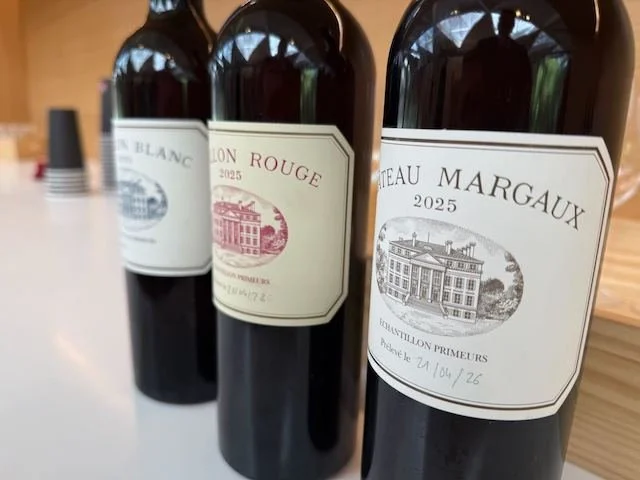
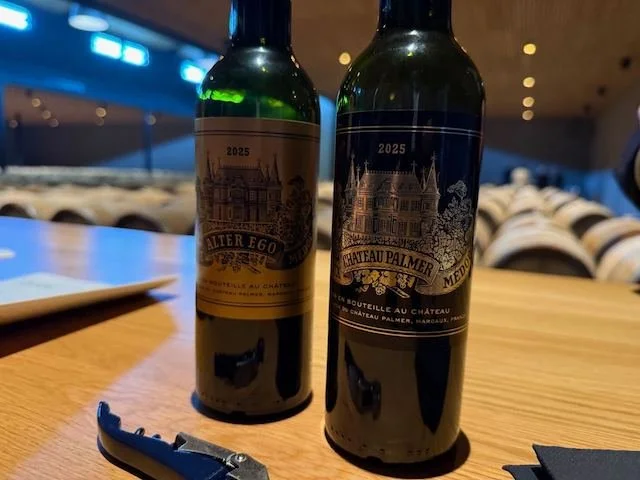
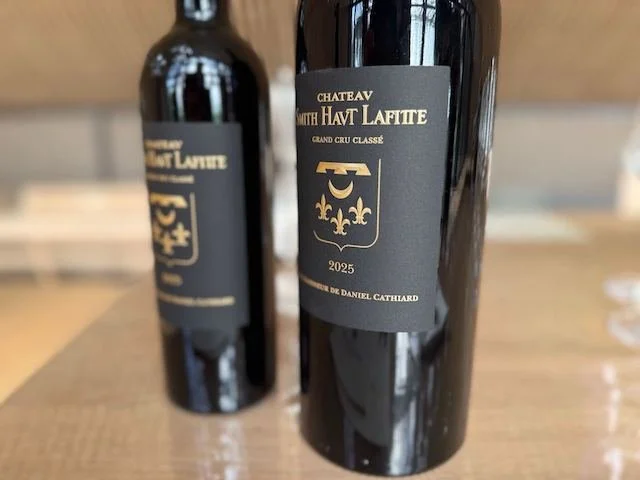
K&L’s Commitment to Transparent Futures Pricing
With Pontet-Canet set to release as soon as this week, the campaign is likely to start early. We’re hopeful they make a strong statement on pricing, as the wine itself certainly justifies attention. While activity may be measured in the opening weeks, the pace should accelerate quickly, with a concentrated wave of releases by mid-May.
Our focus will be on the top wines of the vintage—collectibles that reward early investment. While past campaigns have cast a wide net, our goal this year is to remain disciplined and concentrate on the most essential releases. That said, we expect to have broad access and are happy to secure any wines on your behalf as they become available.
Professional reviews will begin to appear in the coming weeks, and we will supplement those with our own detailed vintage report. In the meantime, we welcome any questions about specific wines, releases, or strategies. For those who want to stay closely informed, we’re happy to include you in our regular updates—but we encourage direct outreach for specific allocation or format requests.
It’s also important to underscore how we operate. As with the 2022 and 2023 vintages, we are committed to delivering wines at our offered prices, without surprises down the line. In a period where tariffs and policy shifts have introduced real uncertainty into the market, we have consistently chosen to absorb those variables rather than pass that risk along to our clients.
We intend to approach the 2025 campaign with that same philosophy, under current conditions and barring any material changes to the tariff environment. While others may delay shipments or structure offers around future contingencies, our priority remains straightforward: securing the wines early and delivering them as promised.
Why Bordeaux Futures Still Matter for Collectors
While this remains a challenging moment for Bordeaux producers and merchants given broader market conditions, it is an exciting time for collectors. The wines are more refined and accessible than ever, pricing is attractive, and the vintage itself is strong. We look forward to navigating the campaign with you in the months ahead.
- Ryan Moses, K&L Bordeaux Buyer
Stay informed on the 2025 Bordeaux Futures Campaign—request updates or speak with a buyer about your strategy.