
Glen Scotia: The Art of the Quiet Comeback
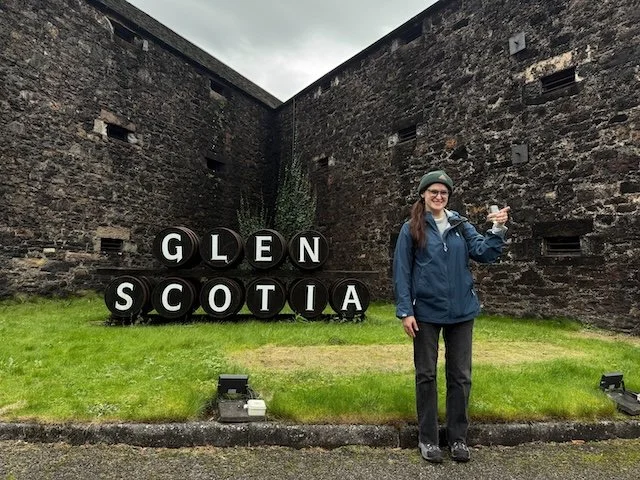
Campbeltown, Once the Whisky Capital of the World
Campbeltown is Scotland's smallest official whisky region, tucked on the remote tip of the Kintyre peninsula. Today it's home to just three distilleries: Springbank, Kilkerran, and Glen Scotia. In the 1880s, however, the town had 30 of them running and was known as the "Whisky Capital of the World" before suffering a near-total industry collapse, making it one of the most-referenced stories of "boom to bust" in whisky history. The quiet fishing town is still dotted with shuttered production sites and warehouses, lending an eerie atmosphere to the silent stone buildings.
Founded in 1832, Glen Scotia (formerly called only "Scotia," a name still utilized by locals), was one of only two distilleries to survive Campbeltown's demise and is listed as one of Scotland's most haunted production sites. It changed hands repeatedly and was mothballed more than once before finally settling in with the Loch Lomond Group in 2014. Slightly less funky or phenolic as its famous neighbor Springbank, Glen Scotia's spirit retains the oily, maritime character revered by lovers of classic Campbeltown single malts, exhibiting delicate flavors often found in Highland or unpeated Islay whiskies.
Getting to Kintyre
To get to Campbeltown, you must drive for hours on winding, seemingly endless back-country roads surrounded by sheep farms and the sea. As I'd just finished a barrel pick on the nearby Isle of Arran, my journey involved several ferries as well. Storm Amy, an extratropical cyclone, had just raged across the coast only a day before, so I felt lucky to arrive at all before my tour of Glen Scotia began.
Inside the Distillery
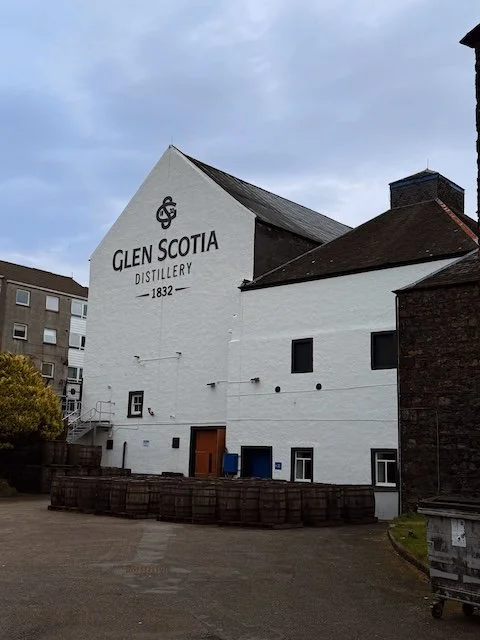
Glen scotia
Distillery: Glen Scotia, Campbeltown, founded 1832
Region: Campbeltown, Scotland's smallest whisky region, three working distilleries
Cask: #24/68-1, first-fill Oloroso hogshead
Age: 10 years
Bottled at cask strength, non chill filtered
Fermentation at the distillery runs 100 to 130 hours
The distillery itself has zero frills, with stark, white-washed walls housing industrial equipment of an impressive age: a reconfigured Victorian-era rack-and-pinion mash tun with a copper top, an original Robert Boby mill, and ten stainless steel washbacks complement their squat, copper wash and spirit stills. The single biggest takeaway from the tour was fermentation time: 100 to 130 hours, shorter only in the height of summer. Few distilleries exercise this patience, and the impact it has on the whisky's flavor is profound.
Picking the Cask
That patience was apparent the moment I started tasting through casks for selection. Sample after sample surprised me with tropical notes, a clear signature of those extra-long fermentations. The cask that finally grabbed me was startlingly rich for just ten years old, ripe with baked apple and golden raisins folded into fresh pastries. What really sold me was the finish, which lingered absurdly long and left a trail of baking spice behind. Aged in a first-fill Oloroso sherry hogshead and bottled at cask strength with no chill filtration, this barrel simply left the others in the dust. It's a helpful reminder that in the wild world of whisky, persistence and patience pay off; Glen Scotia's comeback may be quiet, but it's a thing of beauty all the same.
Shop this release