Kentucky Distilleries: Stories in Every Barrel
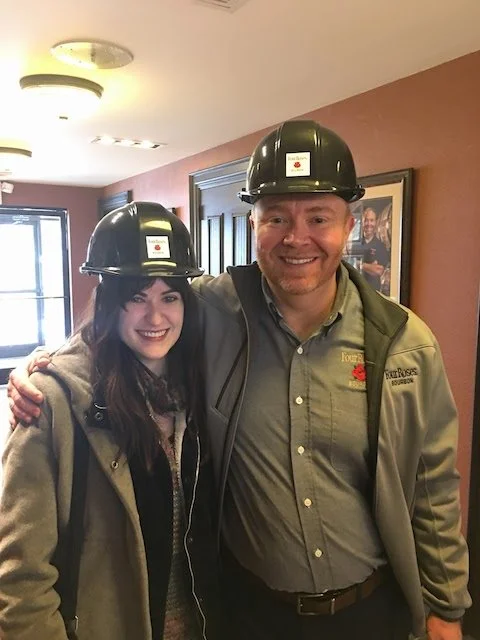
Stephanie and Brent Elliott at Four Roses
Kentucky’s state motto, “Unbridled Spirit,” is striking in its accuracy. It captures both the personality of its people and the amber liquid that puts the state on the map: bourbon whiskey.
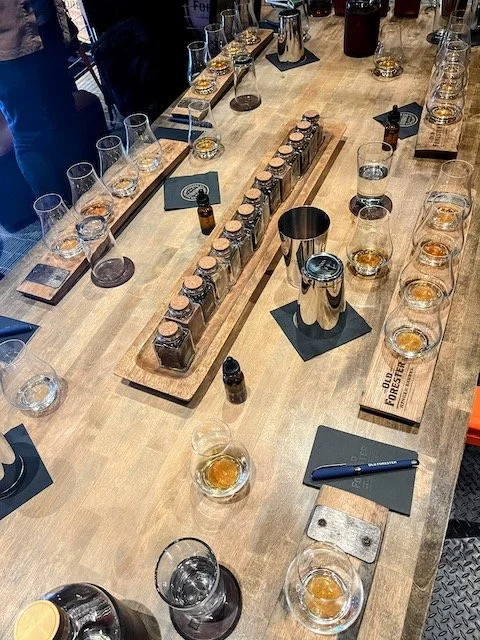
I moved to Louisville over 12 years ago. My first job was at a downtown whiskey bar where every shift felt like a crash course in America’s native spirit. The more I learned—about the family dynasties, the folklore, the oddities of maturation—the more I wanted to know. Inevitably, my thirst (literal and figurative) for bourbon spilled over into the world of distillery tours.
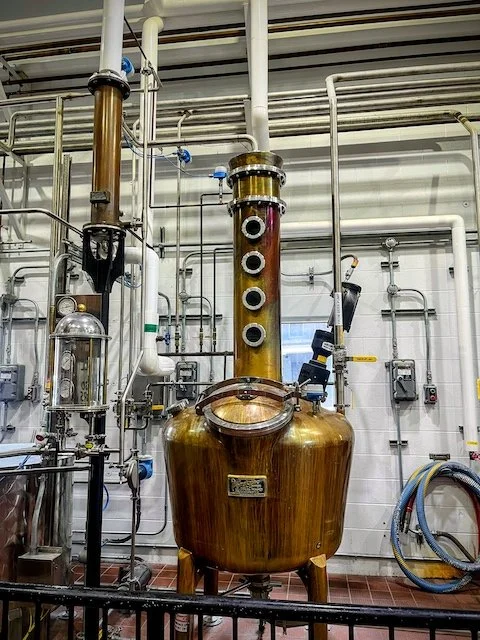
Some folks tell you, “If you’ve seen one distillery, you’ve seen them all.” I, for one, couldn’t disagree more. The equipment may look similar, but each place has its own heartbeat. The first time I drove to Four Roses, the sunny, Spanish mission-style buildings made me think I’d taken a wrong turn into California.
At Heaven Hill in Bardstown, you might spot company president Max Shapira quietly eating lunch in the employee cafeteria, an unexpected reminder that it’s still a family business. At Wild Turkey, after strolling across the long railroad bridge that spans the river in Lawrenceburg, you might meet Jimmy Russell—over sixty years on the job and still grinning—giving you a brief encounter with bourbon royalty.
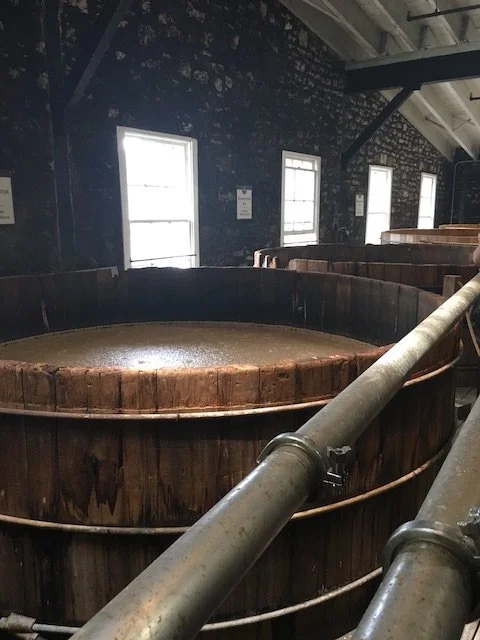
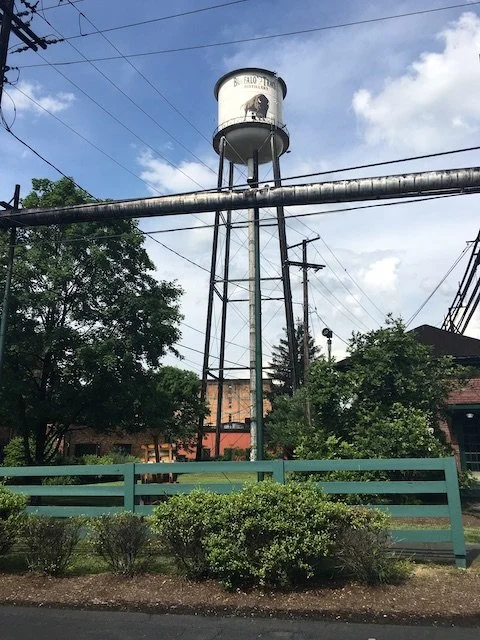
The hard hat tour at Buffalo Trace is both detailed and endearing; several guides have worked there almost their entire lives and will recount intimate details of friendships with distillers now long gone. The fermentation room is watched over by a portrait of Colonel E. H. Taylor, Jr., who in 1897 worked to change the law of the land so that people would no longer be poisoned by tainted whiskey; a fact not forgotten by the long line of customers waiting to purchase the bottles of his namesake, still always bottled-in-bond.
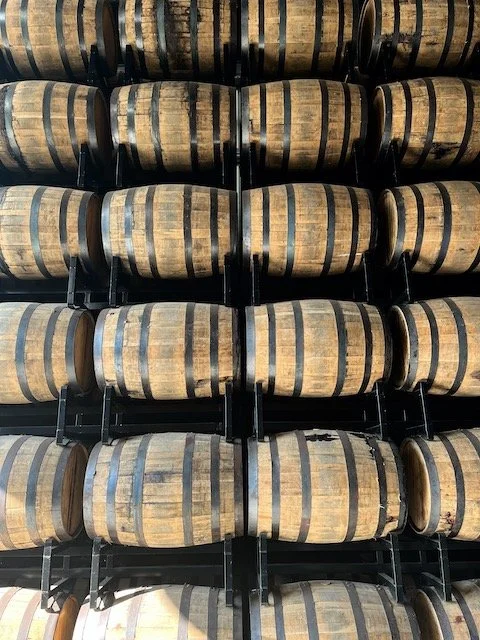
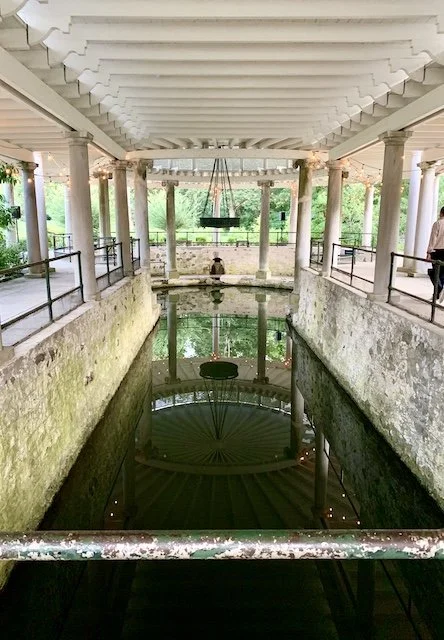
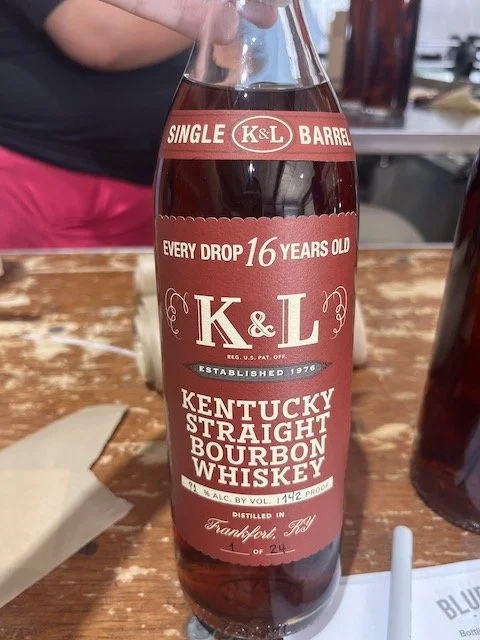
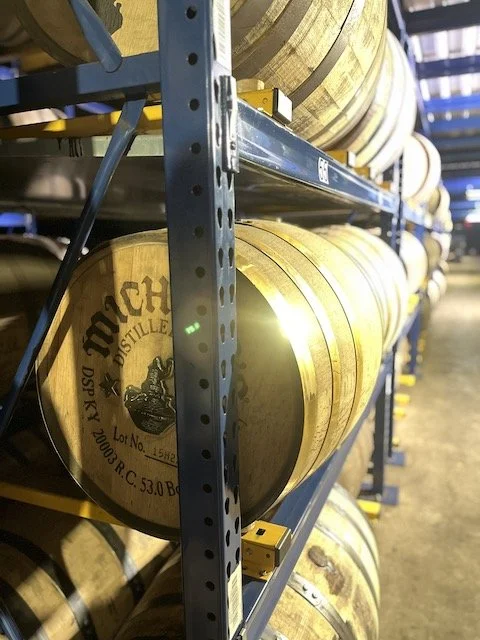
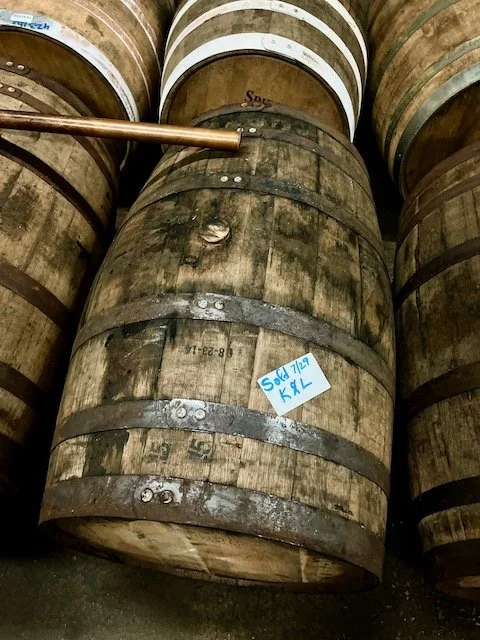
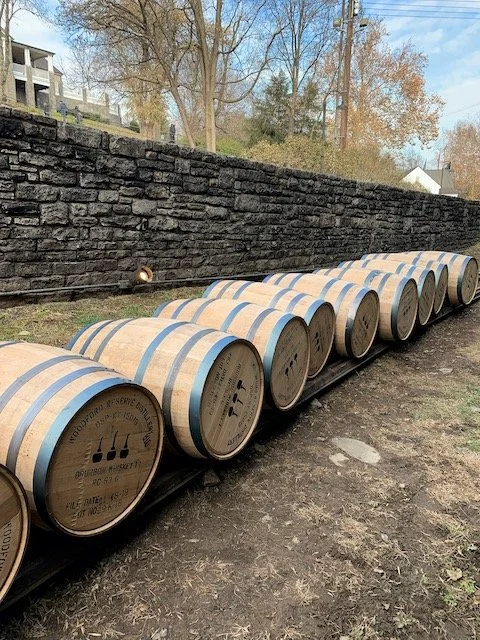
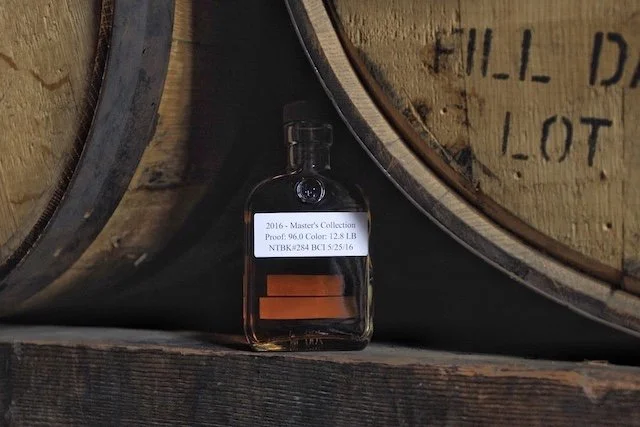
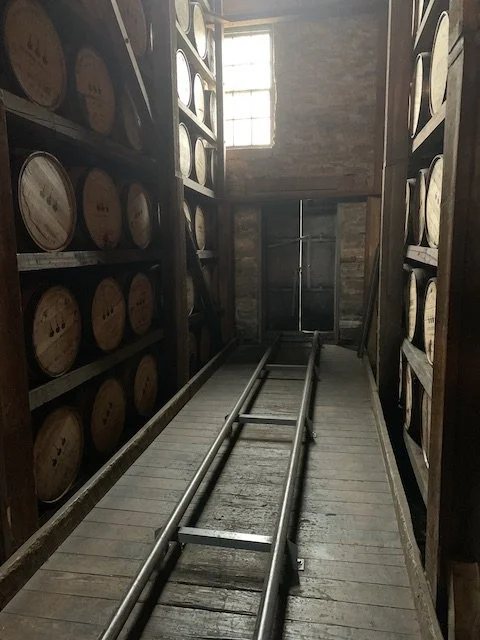
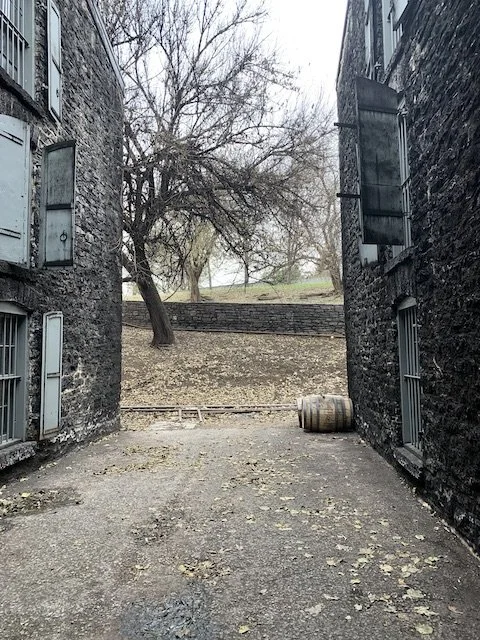
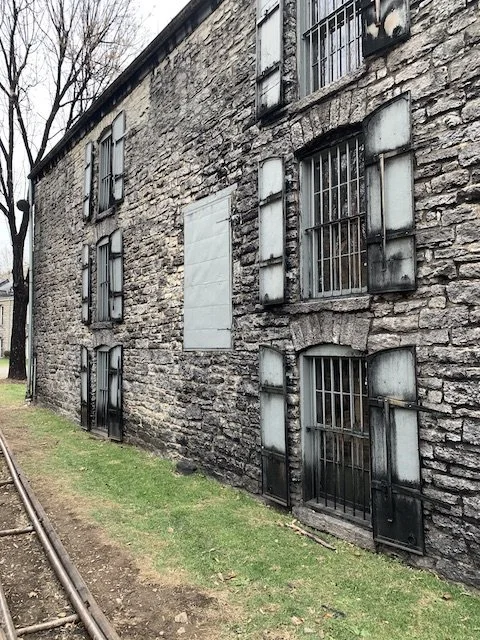
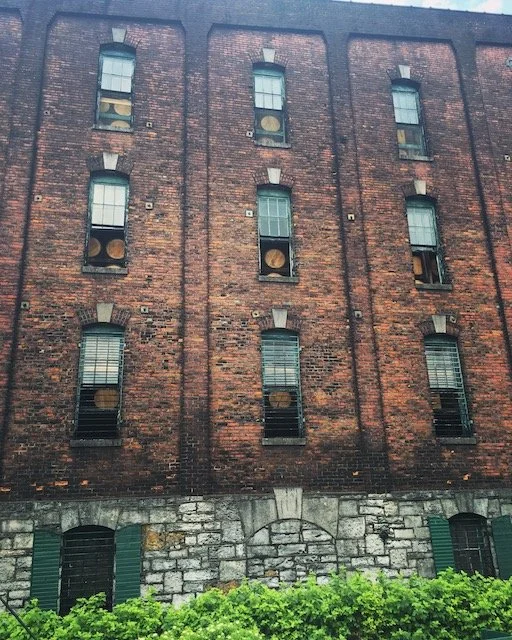
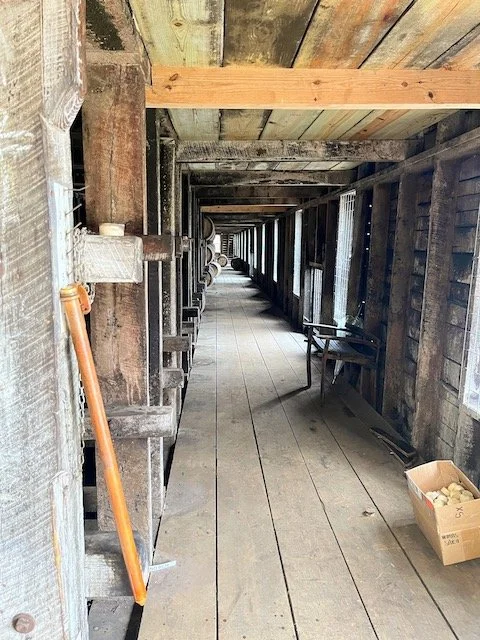
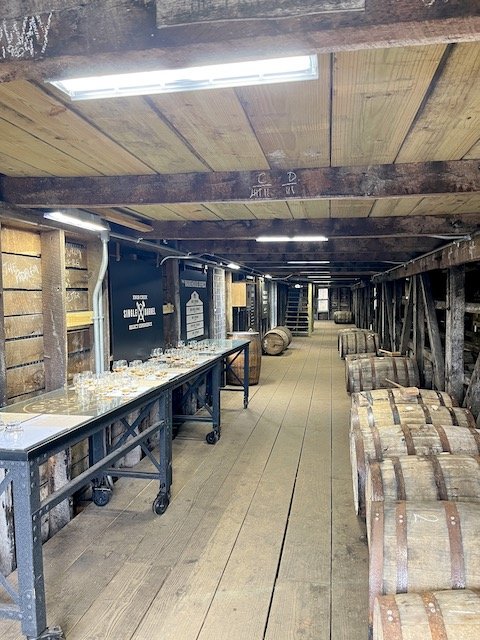
One might spend a sunny afternoon at his newer distillery, now renamed Castle & Key, with its striking gardens and reflecting pools, and marvel at what a millionaire dreamt up over a century ago. Woodford Reserve is right next door, with its romantic stone fences and fields rolling away on every side. Long before it bore the Woodford name, Dr. James Crow was there in the 1800s, perfecting the sour mash process. Standing in those stone rickhouses today, the air thick with oak and time, it feels like the past is still working alongside the present.
Tours are never just about production; they’re about the stories. A distillery itself is a living narrative. Each one has a bold opening chapter: a restless founder, a lucky water source, fields of grain that begged to be fermented. The middle might describe the family that struggled through Prohibition, the experiments that became traditions, or the production methods that stubbornly refused to change. Some of the stories are charming, while some are tall tales; like how Pappy Van Winkle’s daughter died down in the coal chute at Stitzel-Weller. A chilling yarn for a tasting room— though, for the record, Pappy never had a daughter.
That’s what I love: the mix of fact, folklore, and chance encounters that make each place unique. Visiting distilleries didn’t just teach me about whiskey—it reshaped the way I experience it. A tour is part classroom, part ghost story, part comedy hour. At the end, sipping bourbon in the very place it was born sharpens the experience, and you can bring it home with you in a bottle. Every pour has the potential to transport you back to rickhouses and rolling bluegrass hills.
Today the Bourbon Trail counts 46 distilleries, each adding its own chapter to a saga still unfolding. Together they prove bourbon is more than a drink—it’s Kentucky telling its story, one barrel at a time.
- Stephanie Manning, Assistant Spirits Auction Buyer
Bluegrass Distillers
Buffalo Trace
Knob Creek
Woodford Reserve