
San Polino: A Story of People and Nature in Montalcino
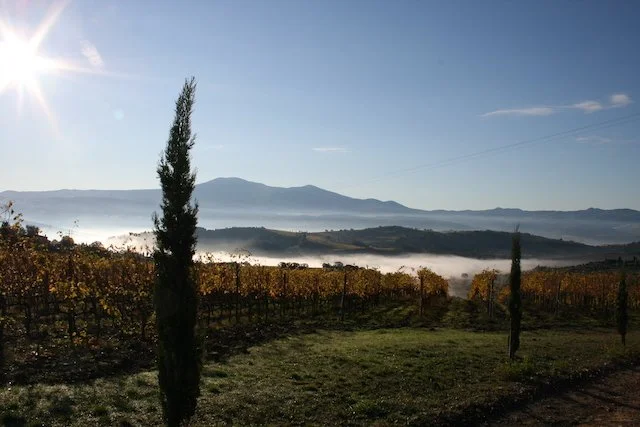
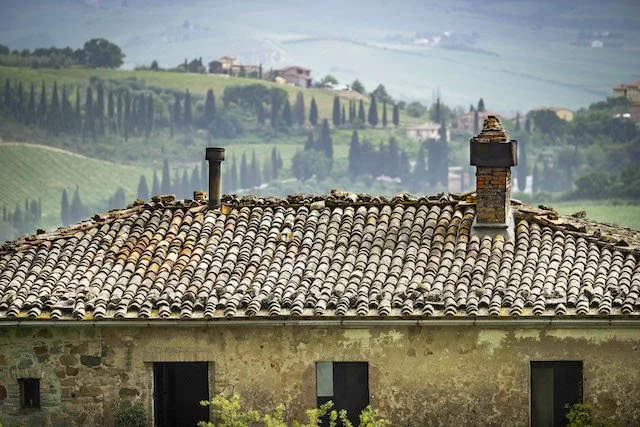
The San Polino estate exists as a living community that weaves together vines with forests as well as people and animals with unseen life connections. The terroir at this place represents both harvest seasons and the family bond that connects them to their ancestral land. During the early 1990s Luigi “Gigi” Fabbro and Katia Nussbaum discovered the forgotten 600-year-old olive trees which clung to sunbaked rocky slopes in the abandoned homestead of San Polino. No water. No electricity. But also: no chemicals, no scars, no interruptions. Just pure, untouched nature. And that is exactly what they were looking for.
The abandoned farm caught Gigi's attention because he recognized a unique opportunity to establish a vineyard in a way that would respect the natural environment. Katia recognized immediately that this would not become a typical wine estate. It would be a community. A shared dream. A living organism.
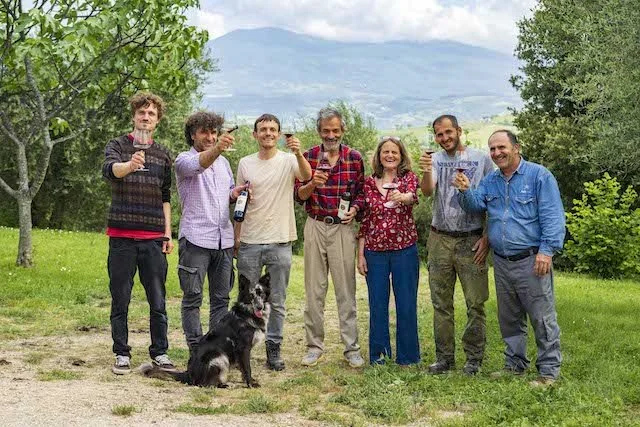
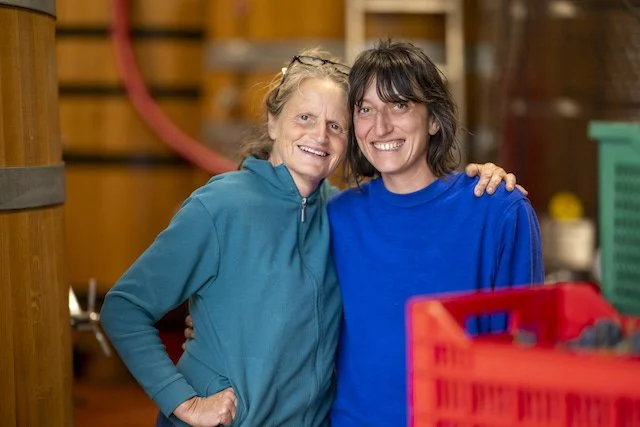
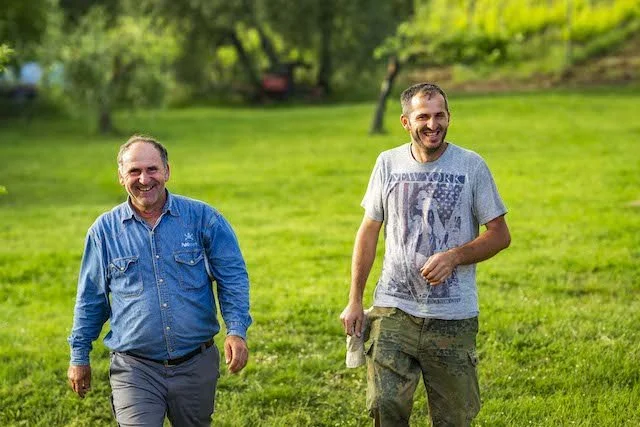
Today, San Polino is just that. The Fabbro family members Gigi and Katia together with their children Daniel and Giulio have joined forces with the Gjilaska brothers Avni, Mariano, and Altin to create the vineyard and farm. The joint effort resulted in creating a special winery and farm which treats vines and trees and human beings as equally important entities.
Farming Like Life Depends on It
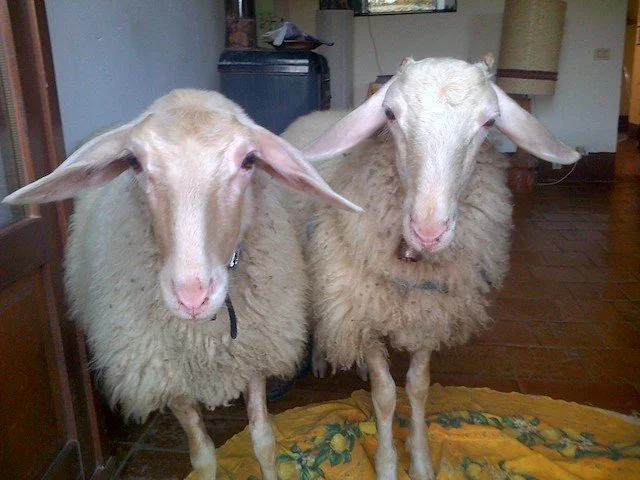
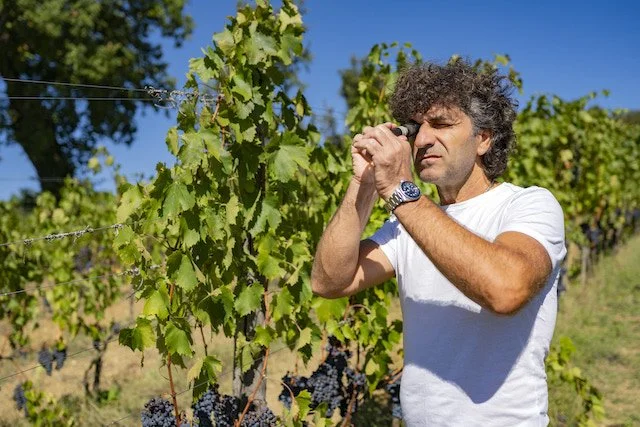
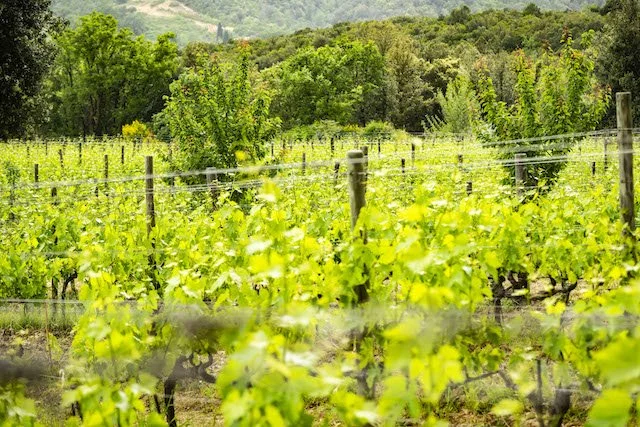
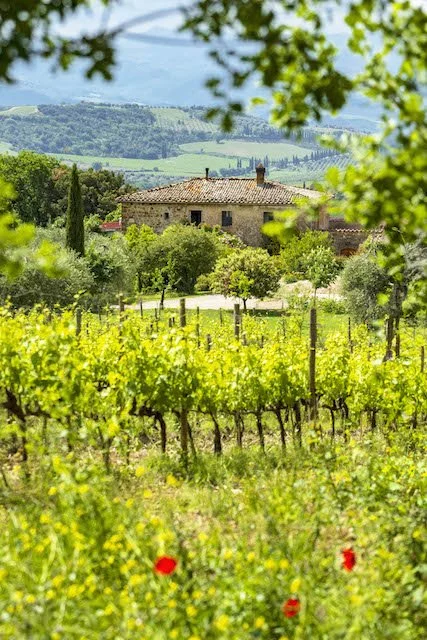
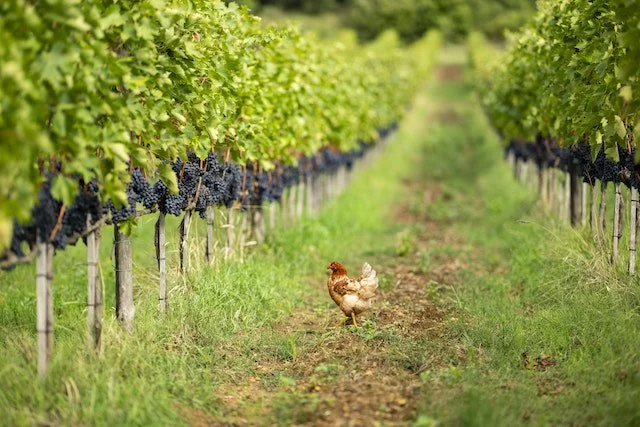
From the beginning, San Polino adopted organic and biodynamic methods, well before these approaches became popular. The vineyard exists as an integral part of a broader natural ecosystem according to the farm management. Forests are protected. Wild grasses and herbs thrive between vine rows. The vineyard ecosystem includes bees, insects, fungi, and birds in addition to its balance.
The vineyard now incorporates vitiforestry principles through direct tree planting among the vines to regenerate ancient mycorrhizal networks beneath the soil surface. The term deep vitiforestry describes their ecological project and philosophical approach toward healing while promoting coexistence and transforming how we view the world.
San Polino's diverse team matches the complex nature of their vineyards because its members include a Friulian explorer, an English anthropologist, two Italo-English scientist sons as well as Albanian farmers who came as siblings and new dreamers; as a group they are leading the vineyard into the future. Through their unity they replicate the diversity they foster.

Wines That Taste Like Home
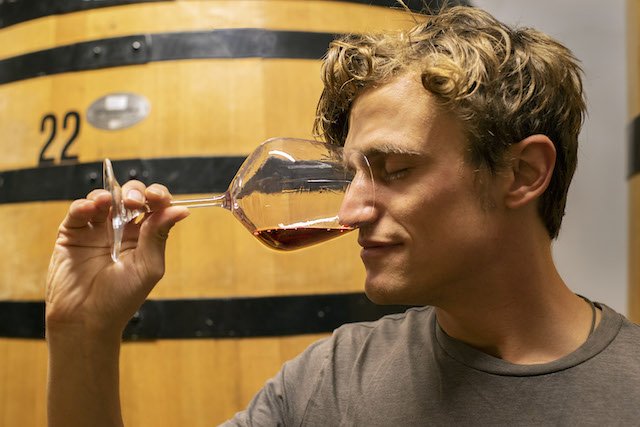
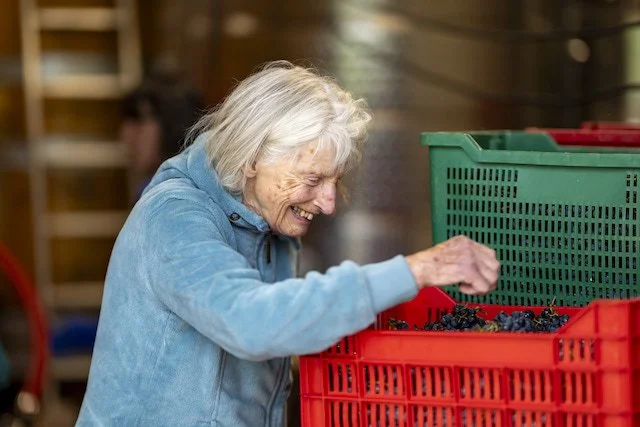
Every grape at San Polino is harvested by hand. The natural fermentation process occurs through the existing yeast and bacterial population found in the historic cellar which forms another element of the life network they maintain. The aging process of the wines takes place inside large Slavonian Botti and French barrique before the estate team performs hand-bottling.
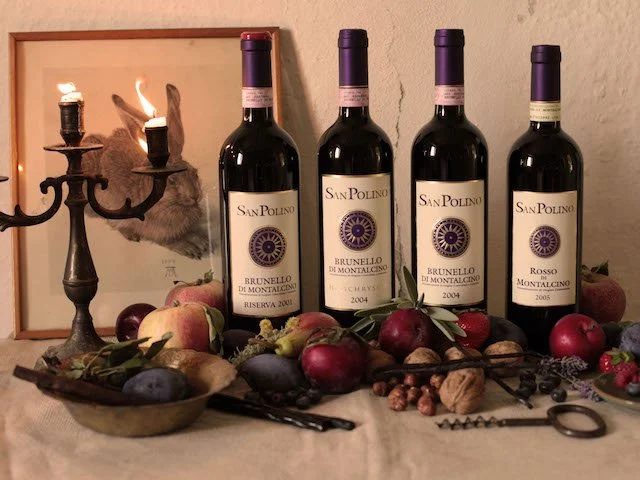
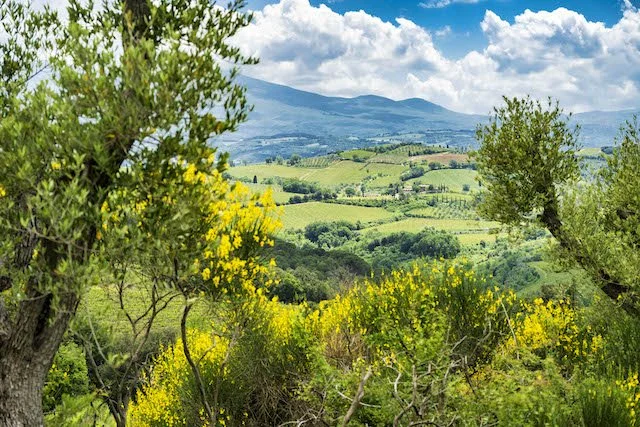
The northern vineyards around the estate produce Brunello di Montalcino and Rosso di Montalcino wines which display deep classic flavors with juicy fruit characteristics. The high southeastern vineyards of San Polino produce grapes with wild aromatics and distinct fingerprints because the land features lean rocky soils which were shaped by ancient volcanic eruptions and ancient seas. The Brunello Helichrysum takes its name from the wild golden flowers (elicriso) that create the fragrance throughout the hillsides.
More Than Wine

A bottle of San Polino is not just Sangiovese. The harvest day meal brings laughter between coworkers. The decision-making process for pruning creates ongoing arguments. The volcanic history of this land dates back 180,000 years through its volcanic soil. The summer cicadas and winter mist and deep forest silence fill this place.
Each bottle of 2019 San Polino Brunello di Montalcino (Elsewhere $75) $54.99 96JS 95KO contains a performance art piece according to Katia because it expresses the intricate nature of life at the vineyard including its elegance and imperfect human element. K&L feels honored to present these wines together with their remarkable history for our valued customers.
The wines evoke the timeless earth-based tempo of life because they come from areas that resist the fast pace of today's world while preserving wine as a handmade record of their past.
- Orazio Campoli, K&L Italian Wine Buyer