Barolo 2021
This is Barolo from its most powerful and structured terroir: Monforte d'Alba. For our Discovery Series, we wanted to showcase the unique intensity that this village brings to the Nebbiolo grape. Sourced from a rising star producer, this 2021 is a beautifully lifted and aromatic Barolo that balances the youthful energy of a classic vintage with the formidable structure that promises a long, rewarding life in the cellar.
- Area
- Monforte d'Alba, Barolo
- Characteristics
- Powerful, structured, aromatic
- Grape Variety
- 100% Nebbiolo
- Soil Type
- Serravallian Sandstone
- Alcohol
- 14.5%
- Tasting Notes
- Red cherry, rose petal, and balsamic notes with powerful, structured tannins
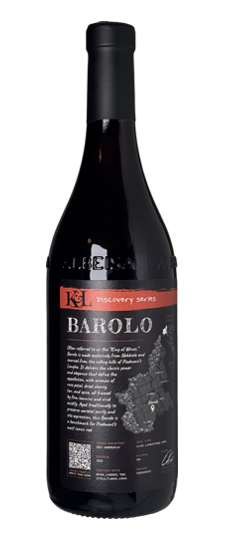
For our classic Barolo, I turned to a rising-star estate whose meticulous vineyard work in the stunning 2021 vintage produced a wine of incredible purity and elegance. This is the definition of a "discovery." The wine offers soaring aromatics of pure red fruits—crushed raspberry, cherry, and rose petal—with a vibrant, energetic palate supported by fine, silky tannins. It’s a beautifully transparent and fragrant Barolo that captures the finesse of the vintage. It’s a chance to get in on the ground floor with a future star of the region.
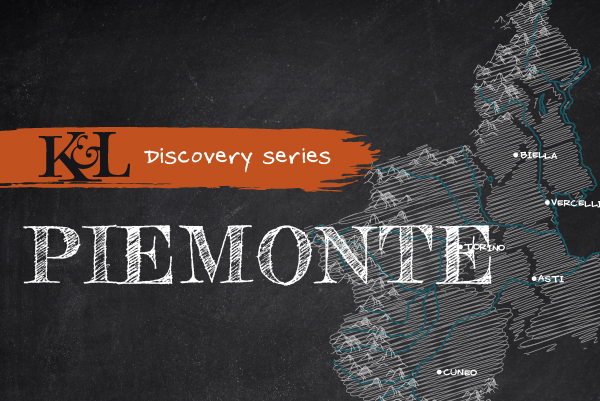
The Langhe hills of Piedmont are a UNESCO World Heritage site, a stunning landscape of steep, vineyard-covered slopes. The soils of the Barolo zone are primarily calcareous marl, but they are broadly divided into two main types, which create two distinct styles of wine.
Tortonian Soil
Found in villages like La Morra and Barolo, this bluish-gray soil is more fertile and compact. It produces softer, more fragrant, and elegant wines that are often approachable sooner.
Serravallian (Helvetian) Soil
This wine hails from Monforte d'Alba, which is dominated by less fertile, sandstone-rich Serravallian soil. This terroir is known for producing the most powerful, structured, and long-lived Barolos that demand years of cellaring to reach their peak.
The 2021 vintage in Barolo is being hailed as a return to classicism. After several warmer years, 2021 was a more moderate and balanced growing season. A cool spring was followed by a warm, but not scorching, summer, and perfect conditions during the autumn harvest.
This allowed the Nebbiolo grapes to ripen slowly, developing deep aromatic complexity while retaining excellent freshness and acidity. The wines are noted for their bright, pure fruit, fragrant aromatics, and firm, structured tannins, promising excellent potential for aging.
Don't be fooled by Nebbiolo's pale, garnet color; this is a grape of immense power and complexity. Its name is thought to derive from "nebbia," the Italian word for the fog that blankets the Langhe hills during harvest. It is a difficult grape to cultivate, demanding specific hillside exposures to ripen fully.
Nebbiolo is defined by its signature "tar and roses" aromatics, high acidity, and formidable tannins. This powerful structure is precisely what gives Barolo its legendary age-worthiness, allowing the wines to evolve for decades, softening and revealing incredible nuances of truffle, leather, and dried flowers.
Within Barolo, a great debate defines the style of many wines: the traditionalist versus the modernist approach. Understanding this helps explain the wonderful diversity found from bottle to bottle.
The Traditionalist
- Winemaking: Long maceration times (30+ days) to extract maximum flavor and tannin. Aging occurs in massive, old Slavonian oak casks ('botti') that impart very little oak flavor, preserving the pure character of the Nebbiolo grape.
- The Resulting Wine: Pale in color, with ethereal aromas of tar, roses, and dried cherry. The wines are fiercely tannic in their youth and require decades of cellaring to soften and reveal their profound complexity. They are built for the long haul.
The Modernist
- Winemaking: Shorter maceration times for a softer profile. Aging is done in small, new French oak barrels ('barriques') which impart notes of vanilla, toast, and spice, and help to soften the tannins more quickly.
- The Resulting Wine: Deeper in color, with a plusher texture and more forward fruit. Aromas of black cherry, plum, and mocha are common. These wines are often approachable much earlier, designed to be enjoyed for their rich fruit and polished texture.