
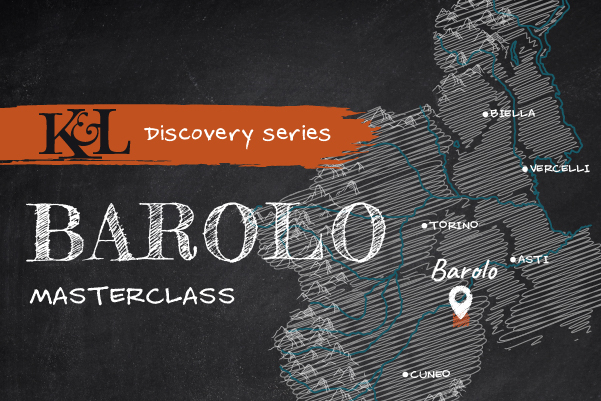
Barolo masterclass
Barolo is not just one wine—it's a tapestry of villages, soils, and philosophies. Each Barolo village brings its own unique voice to the Nebbiolo grape, from the elegant and fragrant wines of La Morra to the powerful, structured bottles of Monforte d'Alba. This page explores the differences between Barolo villages and the two main winemaking philosophies: Modernist and Traditionalist.
Don't be fooled by Nebbiolo's pale, garnet color; this is a grape of immense power and complexity. Its name is thought to derive from "nebbia," the Italian word for the fog that blankets the Langhe hills during harvest. It is a difficult grape to cultivate, demanding specific hillside exposures to ripen fully.
Nebbiolo is defined by its signature "tar and roses" aromatics, high acidity, and formidable tannins. This powerful structure is precisely what gives Barolo its legendary age-worthiness, allowing the wines to evolve for decades, softening and revealing incredible nuances of truffle, leather, and dried flowers.
The Langhe hills of Piedmont are a UNESCO World Heritage site, a stunning landscape of steep, vineyard-covered slopes. The soils of the Barolo zone are primarily calcareous marl, but they are broadly divided into two main types, which create two distinct styles of wine.
Tortonian Soil
Found in villages like La Morra and Barolo, this bluish-gray soil is more fertile and compact. It produces softer, more fragrant, and elegant wines that are often approachable sooner.
Serravallian (Helvetian) Soil
This wine hails from Monforte d'Alba, which is dominated by less fertile, sandstone-rich Serravallian soil. This terroir is known for producing the most powerful, structured, and long-lived Barolos that demand years of cellaring to reach their peak.
The Barolo zone is divided into two main valleys, each with its own soil type. The Central Valley has younger, Tortonian soil, creating softer wines. The Eastern Valley has older, Serravallian soil, creating more powerful wines.
La Morra
Soil: Tortonian.
Softer, more fragrant wines from fertile soils. Known for elegance and approachability in youth.
Barolo
Soil: Tortonian.
Classic village giving fragrant, balanced wines. These soils provide finesse and floral aromatics.
Castiglione Falletto
Soil: Mixed.
The heart of Barolo, blending elegance and structure. Mixed soils produce balanced, complex wines.
Monforte d'Alba
Soil: Serravallian.
Powerful, structured, and long-lived wines from sandstone soils. Built for aging and depth.
Serralunga d'Alba
Soil: Serravallian.
Produces the most robust, tannic, and age-worthy Barolos. These soils give intensity and longevity.
In Barolo, a "Cru" (officially known as a Menzione Geografica Aggiuntiva or MGA) is a legally defined, single vineyard area recognized for its exceptional quality and unique character. It is the equivalent of a Grand Cru in Burgundy—a designation reserved for the best of the best.
While a standard Barolo can be a blend of grapes from several vineyards across the region, a Cru Barolo like this Mosconi must come 100% from that specific site. This allows the wine to express the precise nuances of its terroir, offering a singular, unblended snapshot of a very special place.
Barolo's diversity is also shaped by two winemaking philosophies. Both approaches create world-class wines, but with distinct personalities.
The Traditionalist
- Winemaking: Long maceration, aging in large old oak casks ('botti'). Minimal oak flavor, pure Nebbiolo character.
- Style: Pale color, ethereal aromas, fierce tannins, built for long aging.
The Modernist
- Winemaking: Shorter maceration, aging in small new French oak barrels ('barriques'). Softer tannins, more oak influence.
- Style: Deeper color, plush texture, forward fruit, approachable earlier.