Barolo Mosconi 2021
Sourcing a great Barolo is one thing. Securing a single-vineyard bottling from one of the region's most revered Crus is something else entirely. This is a bit of a coup. For our Discovery Series, we have found a jaw-dropping 2021 Barolo from the famed Mosconi cru in Monforte d'Alba. This is a rare opportunity to taste the singular voice of a specific, hallowed piece of ground—a wine of profound depth, power, and complexity.
- Area
- Cru Mosconi, Monforte d'Alba
- Characteristics
- Powerful, deep, and complex
- Grape Variety
- 100% Nebbiolo
- Soil Type
- Serravallian Sandstone, Clay
- Alcohol
- 14.5%
- Tasting Notes
- Dark cherry, balsamic, licorice, and iron with dense, powerful tannins
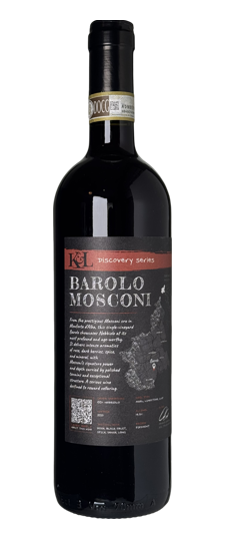
The Mosconi cru in Monforte d'Alba is famous for its powerful, structured, and long-lived Barolos. In a phenomenal vintage like 2021, the wines are electric. A producer I work with, known for their modern-classic style, usually blends their small parcel of Mosconi into their main Barolo. The quality was so exceptional this year that I convinced them to bottle it separately for us. The result is a powerhouse: dark cherry, plum, crushed rock, and balsamic notes are supported by massive but noble tannins. This is a profound, site-specific Barolo that demands time in the cellar and will reward the patient collector handsomely.
In Barolo, a "Cru" (officially known as a Menzione Geografica Aggiuntiva or MGA) is a legally defined, single vineyard area recognized for its exceptional quality and unique character. It is the equivalent of a Grand Cru in Burgundy—a designation reserved for the best of the best.
While a standard Barolo can be a blend of grapes from several vineyards across the region, a Cru Barolo like this Mosconi must come 100% from that specific site. This allows the wine to express the precise nuances of its terroir, offering a singular, unblended snapshot of a very special place.
The Mosconi vineyard is one of the most prestigious Crus in the village of Monforte d'Alba, an area known for producing some of the most powerful and long-lived Barolos. Its greatness comes from a specific combination of factors.
A Perfect Exposure
Mosconi is a south and southeast-facing amphitheater, a natural sun trap that ensures the late-ripening Nebbiolo achieves perfect phenolic ripeness, even in cooler years. This exposure builds deep, dark fruit flavors and immense concentration.
Serravallian Soil
The soil here is classic Monforte: less fertile, sandstone-rich Serravallian soil. This poor soil stresses the vines, forcing them to dig deep for nutrients and resulting in wines with incredible structure, minerality, and powerful, assertive tannins that are the hallmark of this cru.
Don't be fooled by Nebbiolo's pale, garnet color; this is a grape of immense power and complexity. Its name is thought to derive from "nebbia," the Italian word for the fog that blankets the Langhe hills during harvest. It is a difficult grape to cultivate, demanding specific hillside exposures to ripen fully.
Nebbiolo is defined by its signature "tar and roses" aromatics, high acidity, and formidable tannins. This powerful structure is precisely what gives Barolo its legendary age-worthiness, allowing the wines to evolve for decades, softening and revealing incredible nuances of truffle, leather, and dried flowers.
Within Barolo, a great debate defines the style of many wines: the traditionalist versus the modernist approach. Understanding this helps explain the wonderful diversity found from bottle to bottle.
The Traditionalist
- Winemaking: Long maceration times (30+ days) to extract maximum flavor and tannin. Aging occurs in massive, old Slavonian oak casks ('botti') that impart very little oak flavor, preserving the pure character of the Nebbiolo grape.
- The Resulting Wine: Pale in color, with ethereal aromas of tar, roses, and dried cherry. The wines are fiercely tannic in their youth and require decades of cellaring to soften and reveal their profound complexity. They are built for the long haul.
The Modernist
- Winemaking: Shorter maceration times for a softer profile. Aging is done in small, new French oak barrels ('barriques') which impart notes of vanilla, toast, and spice, and help to soften the tannins more quickly.
- The Resulting Wine: Deeper in color, with a plusher texture and more forward fruit. Aromas of black cherry, plum, and mocha are common. These wines are often approachable much earlier, designed to be enjoyed for their rich fruit and polished texture.