
New Zealand’s Gift to Wine: Sauvignon Blanc
New Zealand’s gift to the wine world is undeniably Sauvignon Blanc, especially that from the Marlborough region, which is located at the north end of the South Island. Steely, rac,y and bursting with a veritable cornucopia of herbaceous and fruit-forward aromas, Sauvignon Blanc from Marlborough not only helped to redefine the variety but also put New Zealand on the global wine map–today, almost 90% of New Zealand wine exported to the U.S. is Marlborough Sauvignon Blanc.
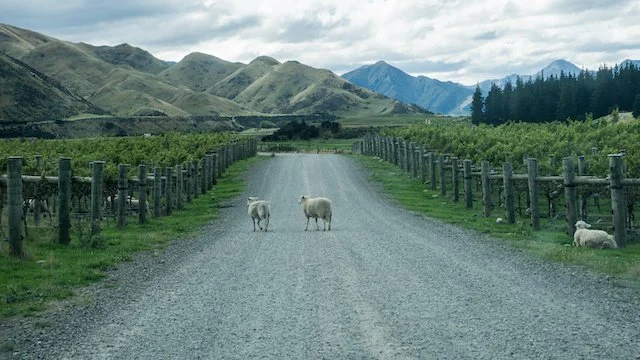
The history of Marlborough Sauvignon Blanc is relatively short compared to other regions. In 1973, Frank Yukich, the former head of Montana Wines, ignored the advice of agricultural experts who claimed the South Island was too cold for viticulture. After planting the first vines, he famously declared that wines from the region would become world-famous. Marlborough’s first commercial vintage was released in 1979, but the real global breakthrough arrived in 1985 when the launch of Cloudy Bay caught the attention of international critics, who were stunned by a flavor profile–vibrant, zesty, and intensely aromatic–that was unlike anything produced in the variety’s traditional French home of the Loire Valley. Virtually overnight this quiet sheep-farming region was transformed into one of the world’s most recognizable wine regions, as other wineries leapt to join at the chance to make similar wines.
What makes Marlborough unique is that it occupies a rare climatic sweet spot. The region sits in a rain shadow, protected by mountain ranges. In Māori, Marlborough is known as "the place with the hole in the cloud." High sunshine hours, with intense UV light, helps the grapes develop exuberant tropical fruit aromas. Crucially, these hot days are followed by a sharp diurnal shift as the temperatures drop after sunset. Cool nights "shut down" the vine to preserve a bracing, racy acidity. This signature crunch is further enhanced by free-draining alluvial soils with scattered river stones, which lend a distinct minerality to the wines. These stones also reflect heat back into the canopy during the night, helping to boost ripening.
Winemaking in Marlborough is a study in careful viticulture. To achieve the famous aromatic intensity, winegrowers manage the vine canopy to balance sun exposure. Grapes grown in the shade retain methoxypyrazines, which are responsible for "green" notes like bell pepper and tomato leaf, while those in the sun develop thiols, which provide the classic passionfruit and grapefruit aromas. In the winery, winemakers then have the choice to ferment at cool temperatures entirely in stainless steel to preserve the fresh purity of the fruit, while others are opt for warmer fermentations, lees aging, and maturation in alternative vessels like French oak puncheons for a rounder, less fruit-forward style.
Often misunderstood as nothing more than a cheap-and-cheerful summer sipper, the quality of Marlborough Sauvignon Blanc couldn’t be higher than it is today. To be sure, there is still plenty of industrially produced table wine on the market, but there are also many small independent producers making their mark on the region, with styles that range from flamboyantly fruity and zesty to leaner and mineral-driven. There’s a style for every wine drinker and below are a few of my top selections.
2023 Zephyr Sauvignon Blanc Marlborough $17.99 94SK
2024 Nautilus Sauvignon Blanc Marlborough $17.99 92WE
2024 Jules Taylor Sauvignon Blanc Marlborough $19.99 95SK 93WE
2025 Greywacke Sauvignon Blanc Marlborough $19.99
2025 Clos Henri "Estate" Sauvignon Blanc Marlborough $19.99 94JS 93BC
2024 Dog Point Sauvignon Blanc Marlborough $21.99 95WA 93JS
2022 Smith & Sheth "Cru" Sauvignon Blanc Wairau Valley Marlborough $23.99 95SK 93BC 92JS
2023 Pyramid Valley Vineyards Sauvignon Blanc Marlborough (Elsewhere $35) $24.99 94SK 94BC
2023 Greywacke "Wild Sauvignon" Sauvignon Blanc Marlborough $29.99 93VN 93WE
2024 Clos Henri "Otira - Glacial Stones" Sauvignon Blanc Marlborough $32.99 96WA
- Rachael Ryan, K&L New Zealand Wine Buyer