
Amorotti in Loreto Arputino: Abruzzo’s Hidden Jewel
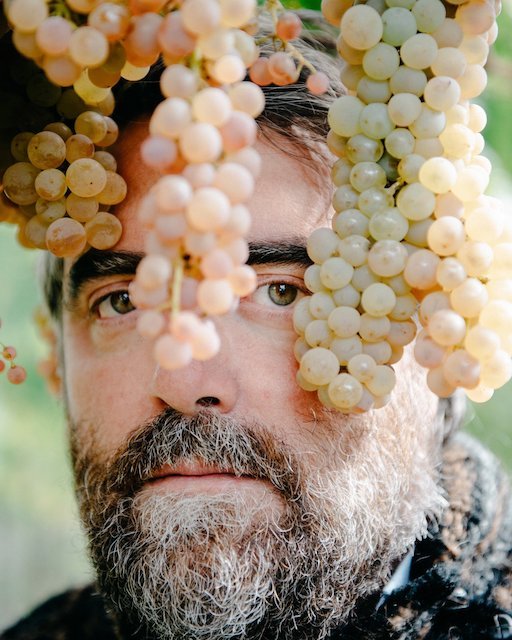
If they ask me which region is my favorite in Italy, I usually say Abruzzo. It is a true natural beauty, with a mountain (Gran Sasso) and amazing beach sites all in one region. It is a little like California, in fact. Plus, the wines of Abruzzo are stunning. As you may know, Montepulciano d’Abruzzo is the true definition of everyday wine, perfect on any occasion.
But you may not know of the small town Loreto Aprutino, located in the hilly interior of central Abruzzo. It has long been regarded as one of the region’s finest terroirs for both wine and olive oil production.
So why is Loreto Arputino different that the rest of the region? What makes this area special? It is the unique soil composition of clay and limestone that provide excellent drainage and brings an amazing minerality and freshness to the otherwise big wines of this region. Its vineyard is also southeast facing, and the grapes benefit from perfect sun exposure. It’s really close to the Gran Sasso but close enough to the sea to enjoy the maritime influence of the Adriatic. In a word, Loreto Arputino has the best growing conditions of Abruzzo. It is the home of Valentini, the most acclaimed producer in this region. It is also home to an under-the-radar winery that I love: Amorotti.
The Wines of Amorotti
Amorotti is new to the American market. It first launched in the U.S. just a few years ago, but it became one of the most collectible wines almost immediately. Gaetano Carboni is the man behind this incredible estate in Abruzzo, which dates back to 1521. Certified organic since 2009, Amorotti farms with a focus on biodiversity, minimal intervention, and native yeast fermentations. The vineyard is located next to Valentini, and you can tell from the wines, you have the same overall experience at a fraction of the price. These are wines of pure power and elegance; they are vibrant, and they feel alive like no other. I am a big fan of this producer; my cellar has many bottles of Amorotti.
2022 Amorotti Trebbiano d’Abruzzo $44.99 95-96VN is a benchmark for Trebbiano’s aging potential. Trebbiano is a family of grapes that is grown all over Italy, but Trebbiano d’Abruzzo has been historically agreed upon as the most important of them all. For decades, the best examples (Valetinini, Torre dei Beati, to name few) have proven that this grape can rival the complexity and longevity of some of the best white Burgundy.
Amorotti takes the utmost care in crafting its wines, from vineyard to bottle. The grapes are grown using the traditional tendone training system, where canopy management protects the fruit while allowing for slow, even ripening. This creates a balance in the glass—you can tell this when you drink the wine; the tension is the glass is evident. It is a really vibrant wine. Amorotti only uses spontaneous fermentation in all of their wines. This wine also ages over a year in a 550L Slavonian barrel, followed by at least six months in bottle. It is a wine built to last. I can’t wait to try this wine five-to-ten years from now—If I can resist not drinking my bottles sooner!
Like the best Trebbiano, here you have ripe stone fruit, dried lime, honey, and beautiful chamomile with a touch of wild herbs. It is a layered and textured wine with really concentrated minerality. Amorotti’s Trebbiano is just formidable. Period.
2022 Amorotti Cerasuolo d’Abruzzo $44.99 94VN is a rosé with serious depth and character. Cerasuolo d’Abruzzo, often mistaken for a light red rather than a rosé, it is actually just its own category of wine. It is just what it wants to be, a pink wine. Funnily enough I love to suggest this when people want a pairing with lamb, kebob, or charred meat. This wine shines when paired with this type of food. It is in fact the traditional pairing with Arrosticini (sheep skewers, traditional of Abruzzo). Cerasuolo was pink way before the trend of rosé started hitting our shelves. The oldest documentation found about this style goes back to the 18th century—which is mind-blowing if you think about it. Like its white counterpart this wine is aged one year in large Slavonian oak, and to be called Cerasuolo it must be made only with the Montepulciano d’Abruzzo grape.
The wine has red cherry and quince aromas, sweet clementine zest, and toasted sesame seed notes to complete the symphony. Also, here the fermentation is spontaneous. It is vibrant with a nice herbal lift to help balance the exotic fruit flavors. If you do not like rosé, but you are not in the mood for a white and you want something to serve chilled, this is for you.
2020 Amorotti Montepulciano d’Abruzzon $49.99 94-95VN is a savory, powerful expression of Montepulciano. Montepulciano is one of the varieties that is the most sensitive to the producer and vineyard site. Some of the best—but also some of the worst—wines I have ever tried are Montepulciano, and this bottle is outstanding. Montepulciano d’Abruzzo is often thought of as a bold, rustic wine, but when grown in the right terroir and made with precision and patience, it can be refined, structured, and incredibly complex.
Amorotti’s Montepulciano is again fermented using indigenous yeast, but this time is aged for two years in Slavonian barrels. This Montepulciano is—yes—bold, with ripe blueberry and plum notes, but it has a wonderful minerality and meaty undertones. The balance is incredible here. The nose is full of bergamot and citrus peel. Layered smoky, savory, delicious, textured aromas.
This Montepulciano is far from the jammy, fruit-driven examples often found on the market—instead, it captures the balance of fruit, acidity, and minerality that defines Loreto Aprutino’s finest wines.
A Hidden Gem in Abruzzo: The Quiet Genius of Amorotti
One of the most fascinating aspects of Amorotti is their near-mystical approach to winemaking: Gaetano Carboni has chosen to embrace the unique ecosystem of his ancient cellar, relying entirely on spontaneous fermentation driven by the indigenous yeasts and bacteria that have lived there for centuries. Almost like what happens in breweries in Belgium.
This is why visits to Amorotti are extremely limited—not because Gaetano doesn’t like visitors or is secretive, but because he doesn’t want to disrupt the delicate balance of microorganisms that make his wines what they are. The moment you step into the cellar, you can sense the weight of history in the cool, damp air, the scent of fermenting grapes mingling with the earthy aroma of old barrels.
Keep on eye on this producer, I guarantee you he will become one of the most important producer in Italy.