
100 Years of Rioja
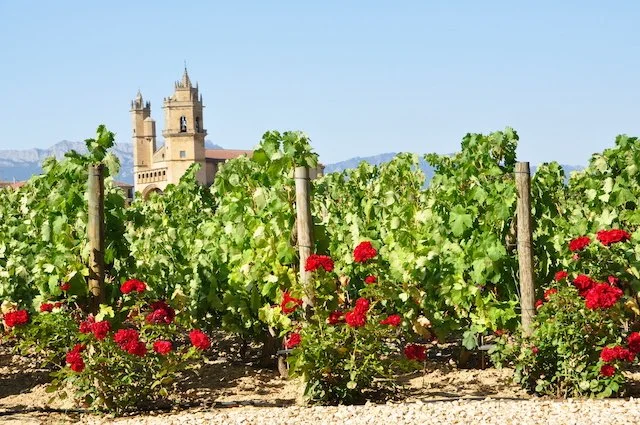
Rioja is one of the most historic—and dynamic—wine regions, beloved by collectors around the world. This year marks the 100th anniversary of the formal establishment of the appellation, which has continued to evolve in recent years with exciting new projects and ventures. In many ways, modern-day Rioja is where the past, the present, and the future come together in dynamic fashion.
While winemaking has existed in the region for centuries, the current history of Rioja began in the late 19th century, when Phylloxera devastated vineyards in Bordeaux, and French négociants had to look elsewhere for fruit. Rioja, and specifically the area around the town of Haro, which was connected to Bilbao by train, was identified as a prime source easily accessible from Bordeaux. Many wineries—including famous names still producing wine today—Lopez de Heredia, Muga, Marqués de Murrieta and CVNE—were established during this time, all clustered near the central train station.
The influence of the French during this critical time in Rioja’s history is undeniable. They introduced oak barrels to the region, which were not common but quickly became standard. French négociants also influenced the composition of the wines, which, like Bordeaux, typically have been blends of multiple varieties—most often Tempranillo with smaller amounts of Graciano, Mazuelo (Carignan), or Garnacha among a few others. One significant and lasting difference, however, is Rioja’s affinity for American, rather than French, oak. The distinctive flavors imparted by American oak—dill, vanilla, dried coconut, and tobacco—became a calling card for Rioja. Coupled with a tradition of maturing wines at the winery well beyond most other regions in the world, Rioja solidified a reputation for offering mature, complex and savory wines at very reasonable prices.
With this legacy well-established, wine drinkers might assume that Rioja is staunchly traditionalist and resistant to change, but this is simply not correct. Today, Rioja continues to be one of the most exciting and innovative wine regions, with many established bodegas experimenting with new techniques and newcomers defying how Rioja should be made and what it should taste like. To be sure, there are many wineries committed to maintaining the historical style of the region, American oak included. One of the most well-known of these is Lopez de Heredia, where the large open-top casks used for fermentation are decades old, and current winemaker Maria José Lopez de Heredia is dedicated to preserving her family’s history. Other wineries, such as La Rioja Alta, are likewise committed to using American oak only, but have added their own cooperage to the property and built an ultra-modern winery, believing that modern technology can dovetail perfectly with traditional winemaking.
One somewhat recent shift has been the inclusion of French oak in many bodegas, either in conjunction with American oak, or replacing it entirely. While many of the bold aromas associated with American oak are closely associated with the region, some believe the distinct flavors, particularly in new barrels, can overpower the terroir. Our longstanding direct import partner Bodegas Casa Juan chooses the combination approach, aging their wines in both American and French oak barrels, most of which are several years old, to impart more subtle oak flavor. Bodegas Muga, on the other hand, matures their wines in French oak, and flagship wines like the Torre Muga have a bold and polished style that rivals the best from Bordeaux.
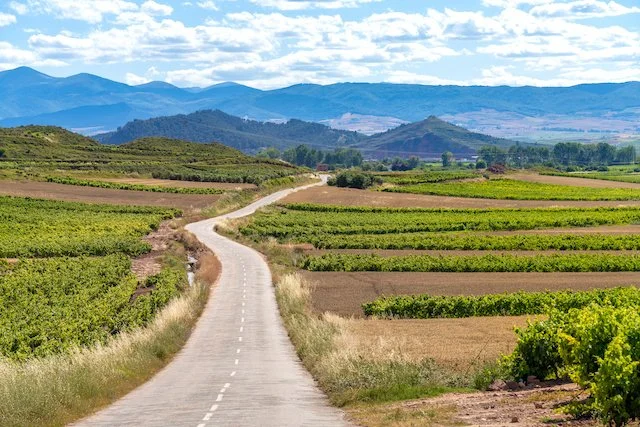
Rioja is not without its controversies, however. In 2016, the “Viñedo Singular” system was established in response to growing demand from wineries that Rioja’s distinctive terroir should be reflected on the labels by allowing wineries to bottle single-vineyard wines. These vineyards, designated to be of a higher quality, would be at least 35 years old and meet strict yield requirements. Likewise, around the same time, wineries were permitted to list the village of origin on the label. The issue is that the wine is also required to be bottled in the same village, ostensibly to protect the grapes from being damaged during transport. In practice, however, this rule means that wineries sourcing fruit from multiple areas are limited in which wines they can label by village. In response, some wineries like Bideona have cheekily sidestepped the rule by adding a code to the label which indicates where the wine is from—the Bideona L4GD4 Rioja, for example, hails from the village of Laguardia. Other winemakers, like Telmo Rodriguez of Remelluri, have ignored the rule entirely, instead releasing a series of “Lindes de Remelluri” wines, each sourced from a different historic village.
Another lingering controversy revolves around the classic Joven-Crianza-Reserva-Gran Reserva system, which mandates the minimum amount of aging a wine spends in cask and bottle before release but also dictates that wineries must hold a certain volume of wine in reserve, half in barrel. For some small wineries, this is a non-starter. For others who simply want to release a different style of wine, perhaps not aged in barrel at all, this means they are limited to labelling as simply Rioja. These wines are becoming increasingly common and are certainly not an indication of a lower level of quality. In fact, many bodegas, like Sierra de Toloño in Rioja Alavesa, prefer the creative freedom of basic appellation label, which allows them to incorporate more experimental practices such as amphorae aging.
Truly, there has never been such a diversity of Rioja available as there is today. From proudly traditional to experimental, with new and established wineries pushing the boundaries of what Rioja can produce, the future is bright for the next one hundred years for this storied region.
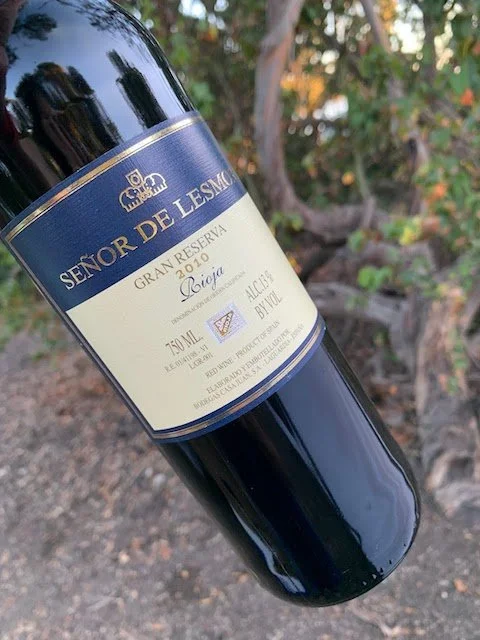
2019 Bodegas Casa Juan Señor de Lesmos Crianza Rioja $12.99
2015 Bodegas Casa Juan Señor de Lesmos Reserva Rioja $19.99
2019 La Rioja Alta "Viña Ardanza" Reserva Rioja $39.99 96JD
2015 La Rioja Alta "904 Selección Especial" Gran Reserva Rioja $84.99 97JD 97PG 96TA 95JG 95WA 95VN
2017 López de Heredia "Viña Cubillo" Crianza Rioja $34.99 94TA
2014 López de Heredia "Viña Bosconia" Reserva Rioja $49.99 95VN 94WA
2012 López de Heredia "Viña Tondonia" Reserva Rioja $59.99 96JS 95WA 95TA 95VN
2021 Bodegas Muga Reserva Rioja $31.99 94JD 94WA
2020 Bodegas Muga "Torre Muga" Rioja $124.99 98TA 97JD 96JS 95WA
2020 Marqués de Murrieta Reserva Rioja $27.99 94JS 94WA 94TA
2021 CVNE "Real de Asúa - Carromaza" Rioja $72.99 96DC 96JA 96JS 96WA
2022 Sierra de Toloño Rioja $21.99 92TA
2020 Bideona "L4GD4 Vinedos en Laguardia" Rioja $39.99 94VN
2020 Remelluri "Lindes de Remelluri - Vinedos de Abalos" Rioja $44.99 95JS
2020 Remelluri "Lindes de Remelluri - Vinedos de Salinillas de Buradon" Rioja $44.99 95WA
- Rachael Ryan, K&L Spanish Wine Buyer