
The World Cup Through a Wine Glass: What Football’s Biggest Stage Teaches Us About Wine

What Wine and the World Cup Have in Common
Every four years, the World Cup reminds us of a simple truth; reputation is not the same thing as performance.
The favorites arrive carrying expectations and decades of rich history. The underdogs arrive with far less fanfare. Yet by the time the final whistle blows, the tournament has usually delivered at least a few surprises.
A powerhouse exits earlier than expected. An overlooked nation captures the world’s attention. Predictions are torn up, pundits are humbled, and fans are reminded why the games are played in the first place.
Wine has a habit of teaching us the same lessons.
The Favorites Aren’t Always the Most Memorable
Walk into any wine shop and you’ll find the equivalent of football’s traditional giants. Bordeaux. Burgundy. Napa Valley. Barolo.
These regions have earned their reputations, much like the footballing powers that seem to enter every World Cup among the favorites. They consistently produce quality and boast decades or centuries of history.
But as every football fan knows, a trophy is not awarded based on reputation alone.
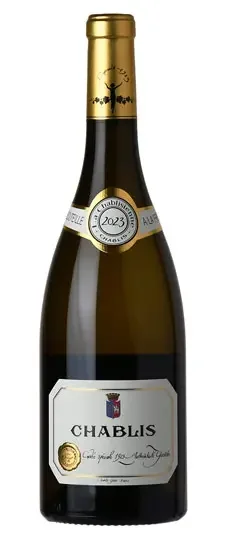
Take a bottle like 2023 La Chablisienne Collaboration Estate Chablis "Cuvee Centenaire" $24.99. It comes from one of France’s most celebrated wine regions and delivers exactly what you’d hope for: crisp acidity, minerality, and remarkable food-friendliness. It’s the football equivalent of France arriving at the World Cup with a world class squad. Reliable, proven, and always worth watching.
The lesson? Respect the favorites, but don’t assume they have already won.
The Underdogs Make the Best Stories
Nobody remembers a World Cup because all the favorites advanced exactly as expected.
We remember the surprise quarter-finalist. The breakout star. The nation that captured the imagination of neutral fans around the world.
Wine has its own underdogs.
For every celebrated Bordeaux or Napa Cabernet that arrives with expectations already written for it, there’s a bottle that doesn’t ask for attention but ends up earning it anyway.
Take German Riesling.
Germany is rarely framed as “underdog” in football terms, but it’s often underestimated in the way it’s talked about. The expectation is usually structure, discipline, and efficiency. The kind of team you assume you understand before kickoff.
Then the tournament starts and you’re reminded that assumptions don’t score goals.
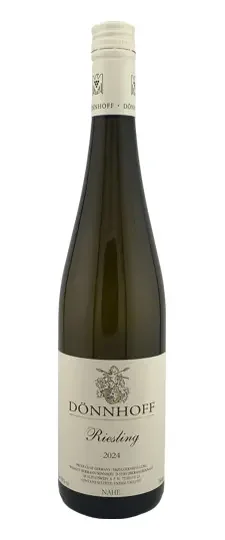
A bottle like 2024 Dönnhoff "Estate" Riesling Nahe $19.99 is a perfect example. It’s not trying to impress you with weight or intensity. Instead, it wins you over slowly with bright citrus, slate-driven minerality, and a lovely finish worthy of any highlight reel.
Much like Germany in a World Cup, it’s rarely about surprise. It’s about the reminder that overlooking them was a mistake.
Rankings Only Tell Part of the Story
World Cup talk always starts with rankings and predictions. Wine does the same thing through scores and reputations that shape expectations before a bottle is opened.
But football rarely follows the script.
Argentina is a constant example. They are always in the conversation. Sometimes delivering, sometimes falling short, but never ignored.
Argentine Malbec captures that balance perfectly. It’s widely known, widely available, and often chosen as a reliable option.
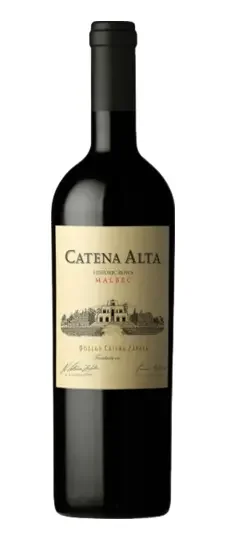
The 2022 Catena Alta "Historic Rows" Malbec Mendoza $54.99 95VN 94DS shows that balance beautifully. It is consistent, expressive, and easy to enjoy without overthinking anything.
Like Argentina, Malbec carries expectation but isn’t defined by it.
In both football and wine, rankings matter less than performance. What counts is what delivers when it is time.
Place Matters More Than We Think
One of the joys of the World Cup is seeing countries express themselves on the biggest stage. Beyond the matches, you see culture, food, and identity all shaping how each team is understood.
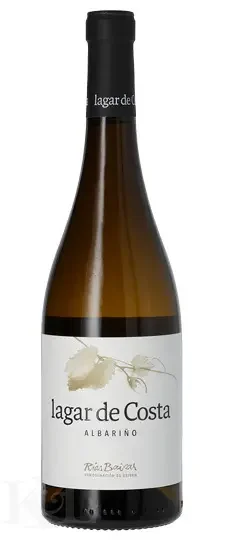
A bottle like 2024 Lagar de Costa Albarino Rias Baixas $21.99 is a clear example. It immediately brings you to Spain’s Atlantic Coast with its bright and saline notes being shaped by the sea more than anything else.
There is a freshness to it that feels tied to its geography, like it couldn’t really come from anywhere else.
The same idea shows up in football. Spain’s style has always been defined by rhythm, possession, and control, reflecting a broader national identity rather than just individual talent.
In both cases, place isn’t a background detail. It is the main influence.
The Real Reason We Watch
At its core, the World Cup isn’t really about rankings, predictions, or even who lifts the trophy. It’s about the moments you didn’t see coming.
A goal in stoppage time. A team nobody expected making a deep run. A match that becomes a story you end up retelling for years to come.
Wine is running the same through line.
Most bottles are perfectly fine and quickly forgotten. But every so often, one sticks with you. Not typically because it was the most expensive or highly-rated, but because of when and how you drank it.
In both football and wine, the point isn’t always to get it right.
It’s to stay open to the moments that surprise you. Because in the end, The World Cup doesn’t just reward the best team. It creates the best stories.
And wine, at its best, does exactly the same.
- Cary Herman, K&L Customer Service Specialist