
A Cloudy Forecast in Bordeaux
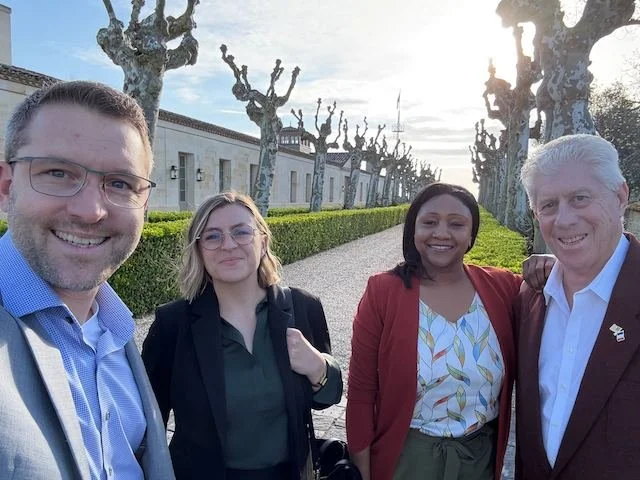
We’re back on the trail, getting ready to taste the 2024s in Bordeaux, while catching up with our friends in the region. It is one of the great traditions in the world of fine wine—and quickly becoming an indispensable part of my year. The exhausting (trust me…) trek through the region will give us a wonderful perspective on the wines that will be released for sale as soon as next week—another chapter in the storied history of Bordeaux.
But, while there’s lots of joy and energy on the ground, there’s a big cloud hanging over the region. First is the literal one, that rained through the 2024 harvest. Second is the black cloud hanging over the market with tariffs. And last is a bit of a cloudy and murky near-term future for the established order in Bordeaux. It’s a shame, because the one clear and bright spot through all of this is the sky-high quality and all-too-reasonable prices of the wines already available from Bordeaux on today’s market. Hopefully that will shine through in the long run.
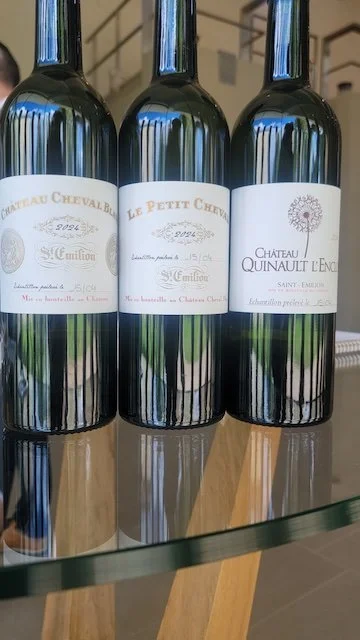
I’ll start with the 2024 harvest, but keep it short, since there’s too much to be discovered in the next few days that will give us genuine perspective. But for now, we know a few things: the 2024 growing season was already looking like a challenge in the first few months, with early flowering, mid-season heat spikes, and an overall wet growing season. But just as harvest started, the skies opened up, and rain became a big part of the picture. Early reports show charming wines that are heterogeneous, lower in alcohol, and carry a brighter profile. But reports are reports, and today we are hitting the road to get a first-hand look at these wines and talk to the people who made them.
They will also be released into an environment where the U.S. is instituting tariffs on its importers of French wines, meaning that if these wines are to make sense for En Primeur purchases, they’ll need to not only be offered at a discount to previous vintages on the market, but U.S. consumers will also have an additional 10% to consider—and perhaps another 5% if the USD continues to be weak against the Euro. That said, Bordeaux is not just pricing for the U.S., so going out at a low rate to satiate that part of the market might do more harm than good to their overall portfolio.



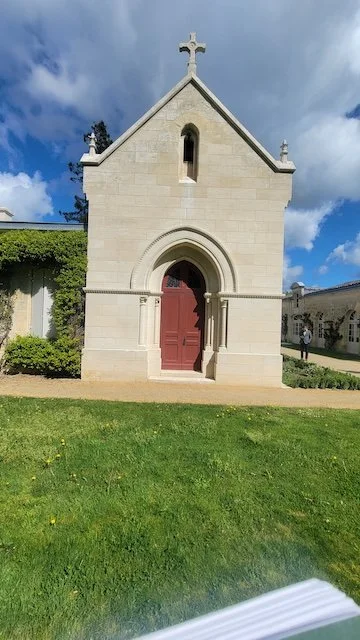



All of this, however, needs to also fit into an ever-complicated landscape of struggling Bordeaux sales. Not only have tariffs been damaging as an obstacle to overall demand because of pricing concerns, but the past few months have provided so much uncertainty that orders from abroad have come to a standstill while terms are being negotiated. No one wants to buy into a market that changes seemingly by the second, and this lack of fluidity has many folks feeling like every new purchase is a massive gamble. It’s a perfect storm facing one of the most reputable regions in the world of fine wine.
Still, as I mentioned earlier—Bordeaux has a too-many-good-wines problem, which is why I still remain optimistic that we’ll find a way to navigate this issue. Our shelves are full of best-in-class collector’s jewels that are often well under $200—something you’ll rarely find in Napa. The quality of back-vintage availability continues to amaze, and the amount of incredibly serious but approachable wines under $50 is unrivaled. I also believe that the surplus available from 2019, 2020, and 2022 will be wines to build a generation of new collectors around.
Cross your fingers for some clear skies ahead, open a good bottle for luck, and keep an eye on our blog and social media platforms as we explore this new 2024 vintage and the landscape of Bordeaux in 2025.