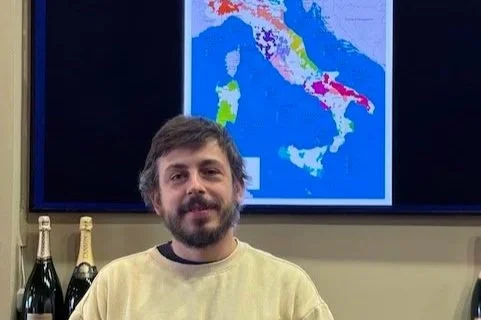
Kerry Kennell’s Club Italiano picks: a bracing, flinty Vespaiolo grown on volcanic soil in Breganze—from a grape named for the wasps that swarm it—and a pale, atmospheric Langhe Nebbiolo from Treiso, in the heart of Barbaresco.
Read More
Kerry Kennell’s Club Italiano picks: a bracing, flinty Vespaiolo grown on volcanic soil in Breganze—from a grape named for the wasps that swarm it—and a pale, atmospheric Langhe Nebbiolo from Treiso, in the heart of Barbaresco.
Read MoreItalian wine has been the focus of my work for many years, and it’s still the category that excites me most. No other country offers the same range of native grapes, regional nuance, and deep historical continuity—nor the same opportunity to find wines that feel truly meaningful to drink. This email brings together a collection of Italian releases I’m especially proud of, spanning cellar‑worthy icons and bottles I reach for on a weeknight, all sourced with the same philosophy: trust the grower, honor the place, and never lose sight of value.
Read MoreWhen most people think of Piedmont, their minds jump straight to Nebbiolo. They think of the regal tannins of Barolo and the perfumed elegance of Barbaresco. But just to the south, in the steep, high-altitude hills of Dogliani, another story is being told—a story of Dolcetto. And no one tells it with more passion, precision, and soul than Anna Maria Abbona.
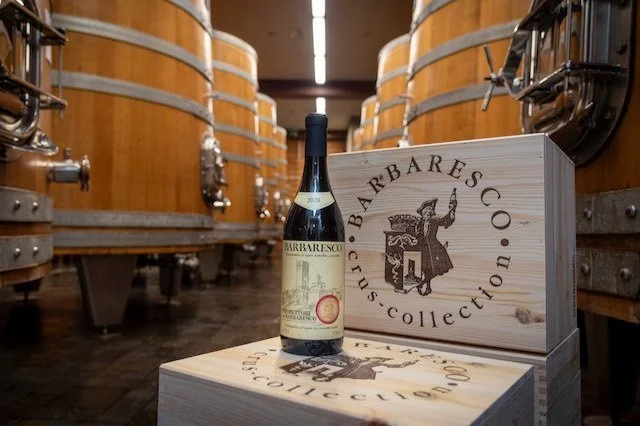
Read MoreThe name of this place represents something exceptional: it means unity in an area where history, heritage, and prestige often define names. The Produttori del Barbaresco facility has existed since 1958, and it represents the living force of its entire community. A genuine co-operative emerged from necessity while sharing core principles, and it ended up becoming famous for creating top Nebbiolo wines from Piemonte.
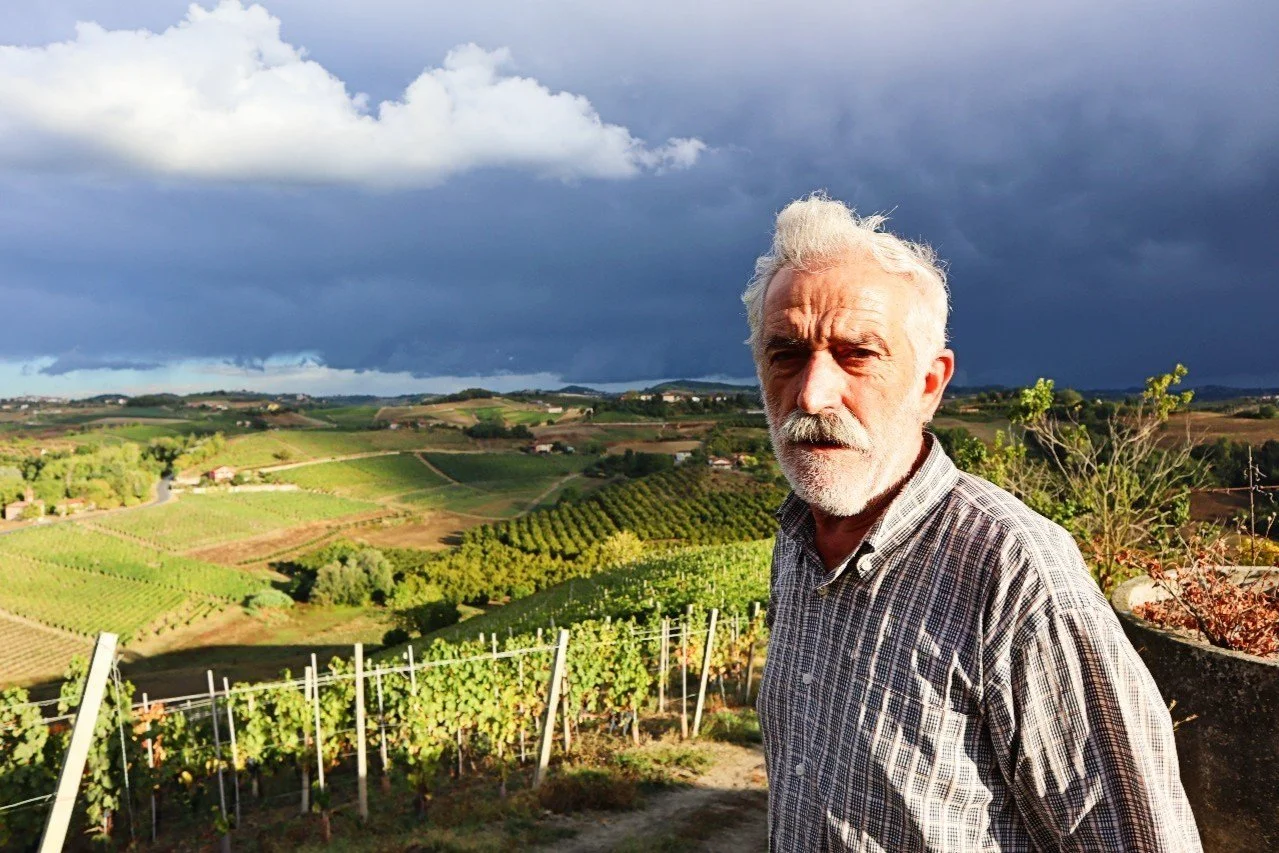
Read MoreThere is a lot to say about this small producer. It is the definition of eclectic and out of the ordinary; the wines are usually hard to find, and, in fact, they are regularly kind of smuggled into the U.S. The winery doesn’t have a ordinary distribution network like the rest of the producers that you see on the shelves in the U.S. Rather, Flavio Roddolo avoids trends and stays isolated in his dedication to vine cultivation in his homeland of Monforte D’Alba. He farms, he ferments, he bottles—he does everything himself. The production is tiny, tiny—they are even hard to find if you ever go in the Langhe. No marketing, no consultants, no shortcuts. His approach involves time along with traditional methods—that is it.
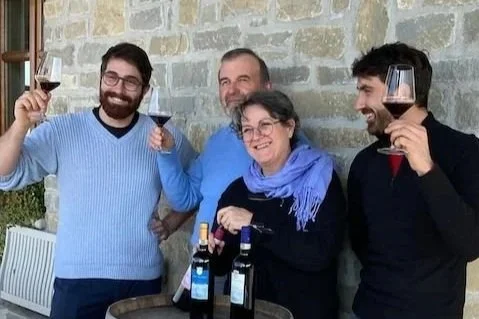
Read MoreHave you ever tried an Alpine Nebbiolo? Though you may associate Italy’s Piemonte region with Barolo and Barbaresco, it actually covers a large area expanding all the way to the Swiss border. Alto Piemonte is a wine region nestled along that border, in the most remote part of Piedmont. The most famous villages, just to name a few, are Boca, Lessona, Gattinara, Bramaterra, and Ghemme. You also find wine from the Coste delle Sesia Nebbiolo, a local “Langhe Nebbiolo”–style wine. Le Piane, located in Boca, is for me the best place to start discovering the beautiful Alto Piemonte. It is one of the most exciting wineries in this region, and I love the story behind it.
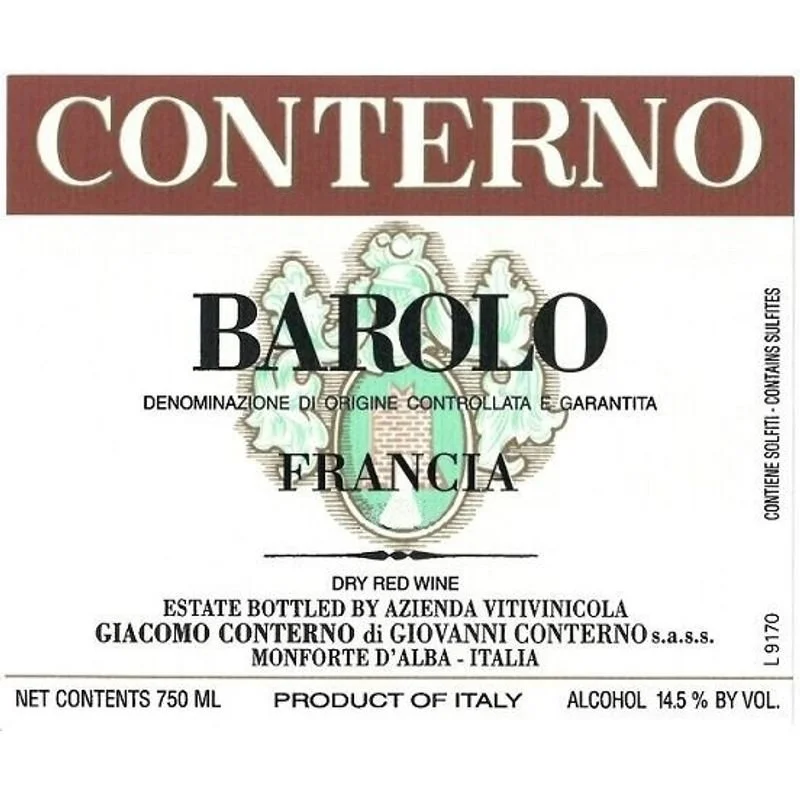
Read MoreFew vineyards in the world hold the status of Vigna Francia, a vineyard in Serralunga d’Alba that has become synonymous with Giacomo Conterno’s Barolo and Barbera. Bought by the Conterno family in 1974, it represents one of the most essential and unique terroirs in Barolo, yielding wines of profound structure, beauty, and longevity. I mean, this is the vineyard of Monfortino after all, the most important Italian wine ever made.
Read MoreIt has been a long time since I first wanted to write a vintage guide for the main categories of wine that Italy offers. As wine professionals, we often place too much emphasis on vintage and risk miscommunicating its importance to customers. While vintage undoubtedly impacts the wine’s final taste, it doesn’t tell the whole story. A good bottle is a good bottle, and how it tastes depends as much on your expectations as on the vintage itself. Moreover, a great producer rarely makes a bad bottle, even in challenging years. In fact, I truly enjoy tasting wines from great producers in less favorable vintages; it’s fascinating to see how they interpret the conditions of the year.
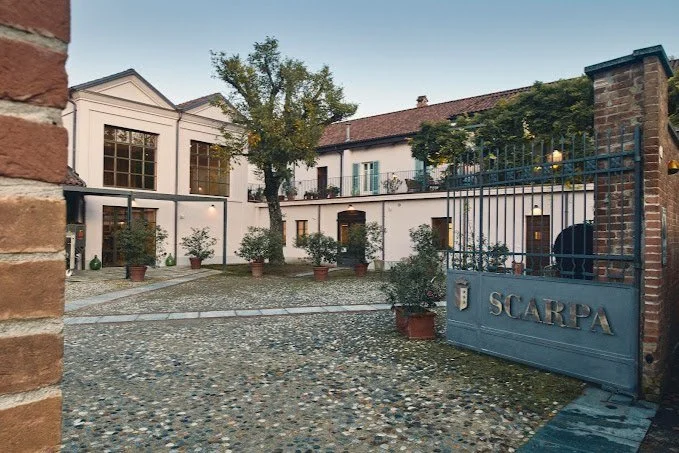
Read MoreUnlike in Tuscany, where wineries are frequently 600-700 years old or more, in Piedmont you’re old if it’s been 100 years. Scarpa is one of those that counts as ancient in Piedmont, founded by Antonio Scarpa in 1854 then sold to Mario Pesce in 1949. It was in the 1960s and early 1970s that Scarpa became a player by buying multiple properties and producing single-vineyard wines, which was not common in those days. Today, their wines celebrate their roots by leaning into the old-school style of the 1960s and 70s.
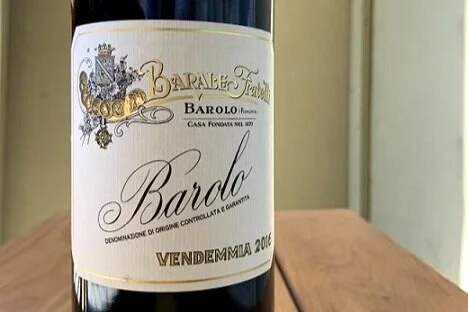
Read MoreBarale Fratelli is always among our favorites wines from Piedmont, as the balance between elegance and value that each bottle delivers seriously can't be matched. In their 2016 Barolo, they've truly made something special.
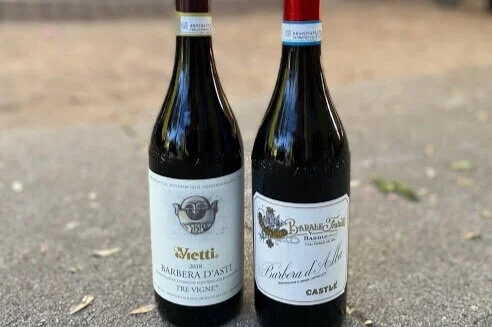
Read MoreItalian wine is known for its food-friendliness, but the Barbera grape from Piedmont might very well be the most versatile for the dinner table. Its high acidity and friendly tannins make it a great pair for many a meal. With subtle differences in style based on where it’s grown, the best way to really get to know this grape is to open up a bottle from each of its hometowns. Hard work, but someone’s gotta do it…
Read MoreEarly results are in, and there are fewer vintages in the region’s history that are delivering at such a high level from Barbaresco to Barolo and beyond. Any cellar full of the best of 2016 Piedmont will thrill collectors for years to come.
Read More