
A Love Letter to the Loire
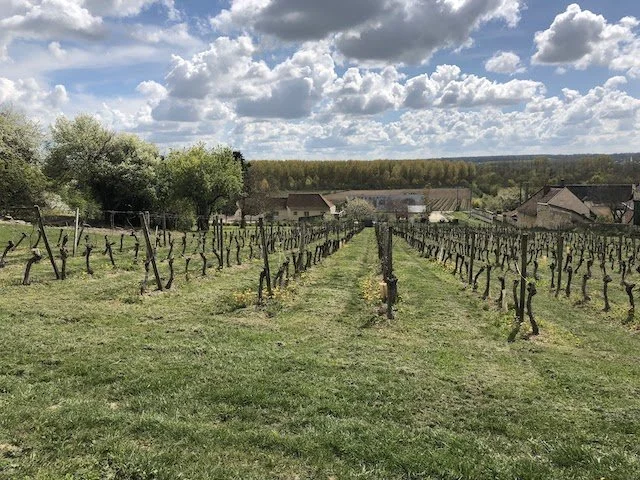
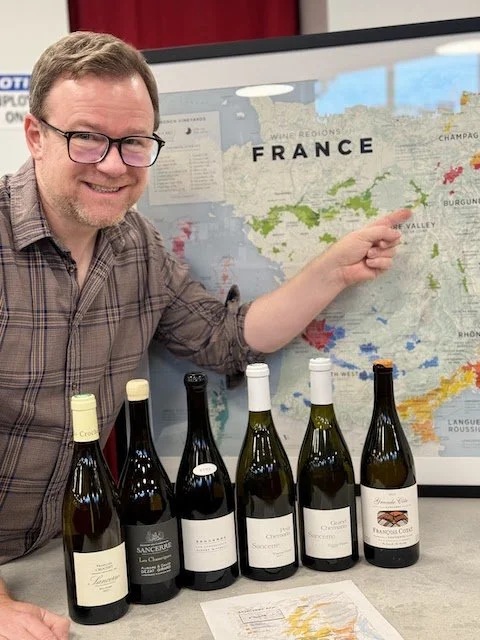
I have long been a fan of Loire wines, well before I became the buyer for the category at K&L. The crisp, mineral-driven Sauvignon Blancs of Sancerre and Pouilly-Fumé were among the first wines I drank, even before I joined the wine industry. Back then, Pouilly-Fumé was the region to watch, driven by the cult producer Didier Dagueneau and the vibrant, smoky whites produced there. Sancerre was still a few years away from becoming the ubiquitous wine you now see on restaurant menus around the world.
My first experiences with these wines were defined by the more “classic” traits—"grass in a glass" or pipi de chat (cat's pee)— but there was something I loved about them; they captured my attention. And so many years later, those "classic" elements have faded into the background as more vibrant fruit and mineral tones have taken center stage. I still miss some of those old-school grassy wines.
For Chenin Blanc, my early experiences centered on Vouvray, with most bottles tasting off-dry—and I loved that style. Already a fan of German Riesling, I found Vouvray a gateway into a new category that scratched my itch for wines with acidity and a touch of residual sugar. You never quite knew back then what you were getting until you opened the bottle: Would it be dry, off-dry, or fully sweet? Luckily, most producers now identify their style using the terms Sec, Tendre, Demi-Sec, and Moelleux. I still do miss a bit of that mystery.
And then there is Cabernet Franc, now one of my most beloved red varieties, though our early relationship was complicated at best. So many vegetal tones, rampant Brettanomyces, occasional oxidation: these wines were all over the place. I could appreciate the black olive and tapenade flavors, even a touch of saddle leather, but roasted bell pepper and beef jerky were simply too much for my younger palate. Today, the wines feel far more precise and transparent, with fruit and structure taking the lead, and those traditional notes evolving into nuanced expressions of herbs, florals, and savory complexity. They’ve become part of the frame, not the entire picture.
All of these varieties and regions have evolved over the nearly 30 years I have been in the business, and so has my palate. My appreciation for, and occasional frustration with, what came before helps me stay focused on what is to come.
So much of the Loire has opened up to me, and I have many new favorite regions and varieties to share. Muscadet, built on the Melon de Bourgogne grape, has become one of my favorite regions in recent memory. Sancerre satellites like Reuilly, Menetou-Salon, and Coteaux du Giennois have revealed exciting new expressions of Sauvignon Blanc. Chenin Blanc has become my single favorite white grape variety in France, prized for its remarkable transparency across regions as varied as Saumur, Savennières, and Montlouis-sur-Loire. Heirloom red varieties like Grolleau and Pineau d'Aunis are producing spectacular lighter-bodied wines, which are thriving both as blending grapes and as compelling, character driven wines in their own right.
So much has happened in what amounts to a short period by wine standards. All I know is that every time I revisit this region, I find something delightful, something compelling, something world-class—and often all three in the same glass.
Join me on this journey through the Loire as we highlight some of the best bottles on our shelves and hear from team members who share this passion for one of France's most diverse and exciting wine regions.