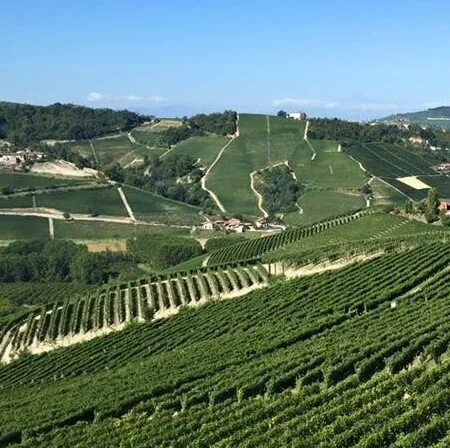
Flavio Roddolo – The Hermit of Monforte
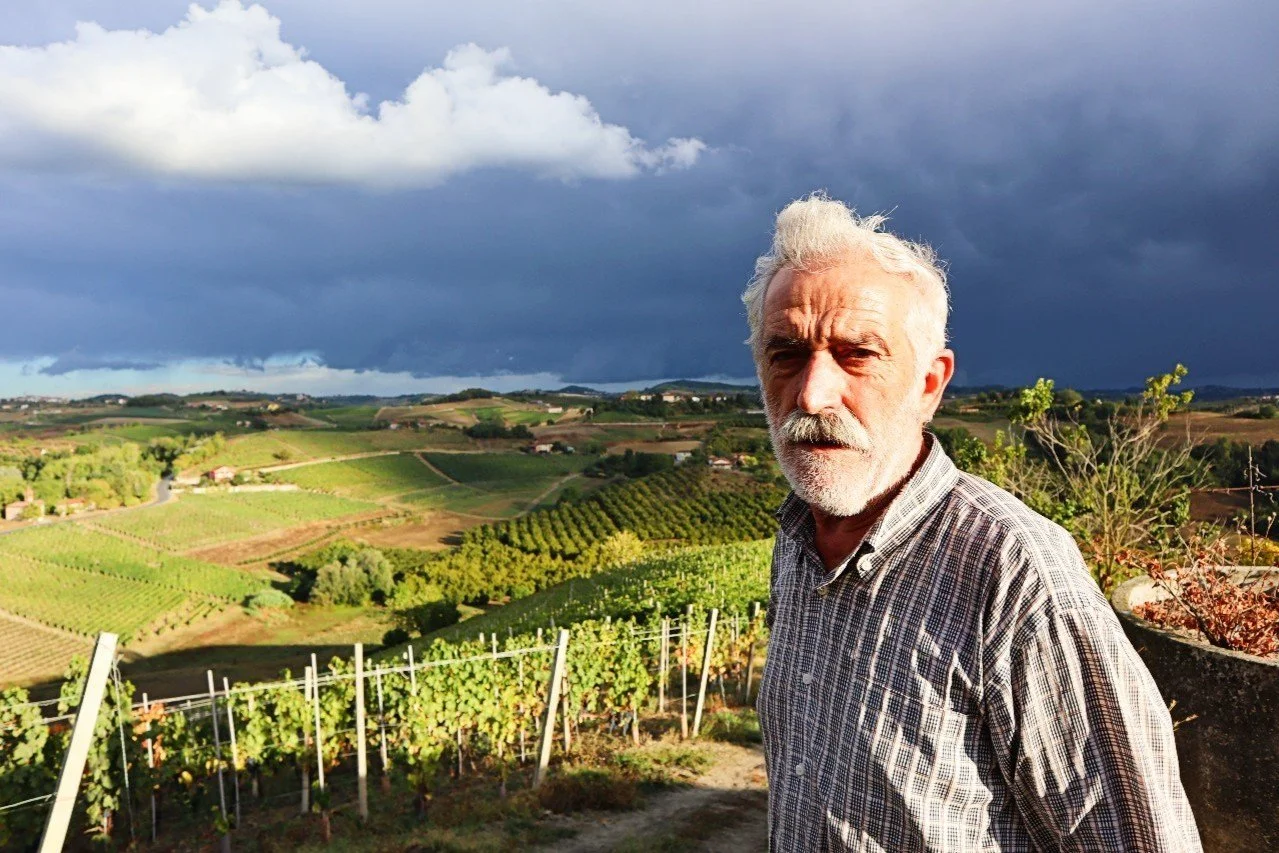
There is a lot to say about this small producer. It is the definition of eclectic and out of the ordinary; the wines are usually hard to find, and, in fact, they are regularly kind of smuggled into the U.S. The winery doesn’t have a ordinary distribution network like the rest of the producers that you see on the shelves in the U.S. Rather, Flavio Roddolo avoids trends and stays isolated in his dedication to vine cultivation in his homeland of Monforte D’Alba. He farms, he ferments, he bottles—he does everything himself. The production is tiny, tiny—they are even hard to find if you ever go in the Langhe. No marketing, no consultants, no shortcuts. His approach involves time along with traditional methods—that is it.
Read More
Barale Barolo: Organic, Family-Made Wines with 150 Years of Tradition
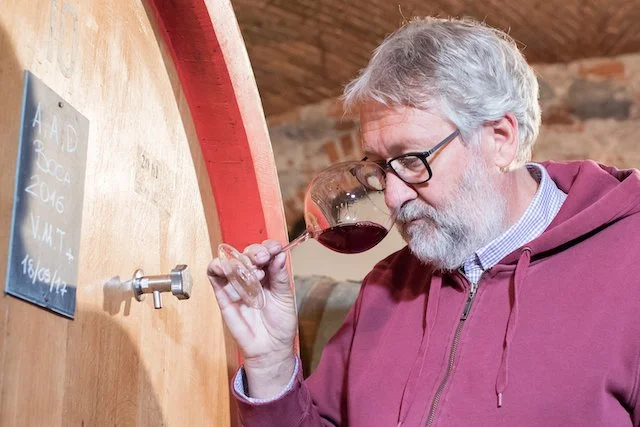
Eleonora and Gloria Barale are the fifth generation to hold the reins at Barale Fratelli, a winery whose history in Barolo runs 150+-years deep. The fact that they are not fratelli (brothers) at all, but sorelle (sisters), reflects the new generation in Barolo: women holding leadership roles in what was once a very male-dominated industry, who use modern technology and farming practices but traditional winemaking methods to create flat-out fantastic wines.
Read More
Le Piane: Reviving Alto Piemonte’s Forgotten Vineyards
Have you ever tried an Alpine Nebbiolo? Though you may associate Italy’s Piemonte region with Barolo and Barbaresco, it actually covers a large area expanding all the way to the Swiss border. Alto Piemonte is a wine region nestled along that border, in the most remote part of Piedmont. The most famous villages, just to name a few, are Boca, Lessona, Gattinara, Bramaterra, and Ghemme. You also find wine from the Coste delle Sesia Nebbiolo, a local “Langhe Nebbiolo”–style wine. Le Piane, located in Boca, is for me the best place to start discovering the beautiful Alto Piemonte. It is one of the most exciting wineries in this region, and I love the story behind it.
Read More
The Francia Vineyard: The Legendary Cru Behind Conterno’s Barolo, Barbera and Monfortino
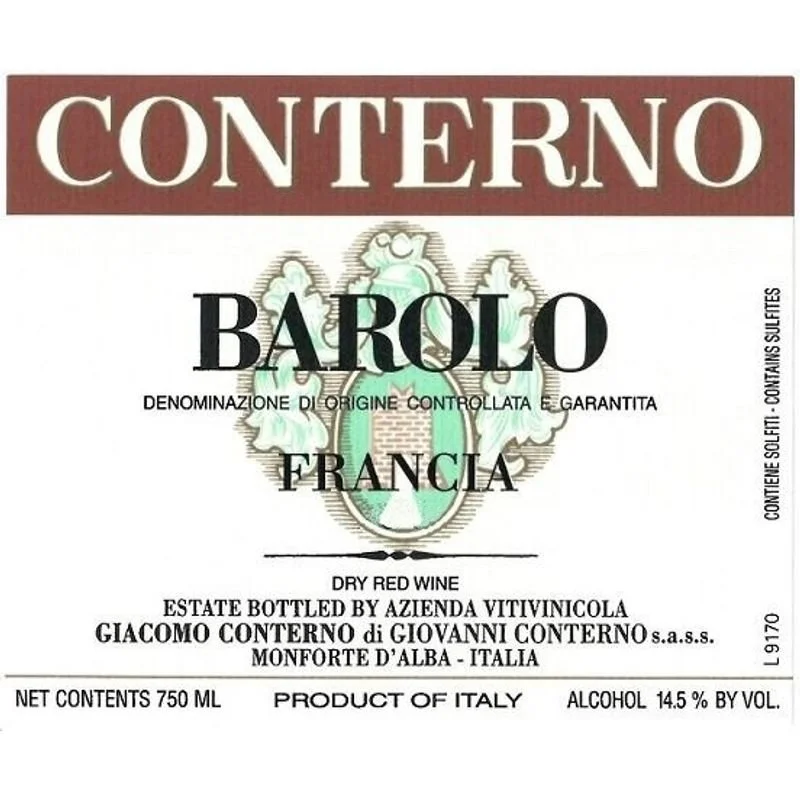
Few vineyards in the world hold the status of Vigna Francia, a vineyard in Serralunga d’Alba that has become synonymous with Giacomo Conterno’s Barolo and Barbera. Bought by the Conterno family in 1974, it represents one of the most essential and unique terroirs in Barolo, yielding wines of profound structure, beauty, and longevity. I mean, this is the vineyard of Monfortino after all, the most important Italian wine ever made.
Read More
Barolo, Barbaresco, Brunello: The Ultimate Guide to Italy’s Wine Vintages
It has been a long time since I first wanted to write a vintage guide for the main categories of wine that Italy offers. As wine professionals, we often place too much emphasis on vintage and risk miscommunicating its importance to customers. While vintage undoubtedly impacts the wine’s final taste, it doesn’t tell the whole story. A good bottle is a good bottle, and how it tastes depends as much on your expectations as on the vintage itself. Moreover, a great producer rarely makes a bad bottle, even in challenging years. In fact, I truly enjoy tasting wines from great producers in less favorable vintages; it’s fascinating to see how they interpret the conditions of the year.
Read More
Holiday Buying Guide: Italian Wine from Barolo to Brachetto
In Italy’s northwest corner, in the region of Piedmont, one of the world’s great wines is produced. In 2019 the weather gods have shined once again on the Langhe Hills and the Nebbiolo grapes that grow there. For Barolo lovers, 2019 is nothing less than dynamite.
Read More
Proprietà Sperino
Back 100 years ago Alto Piemonte was the place for wine in Piedmont and also the Pope’s favorite. Now, as climate change has made ripening less of a challenge in Alto Piemonte, more and more producers have started to expand into that territory, and it has drawn natives like Paolo de Marchi of Chianti’s Isole e Olena back to make wine on their home turf.
Read More
Old-School Barolo from Scarpa Winery
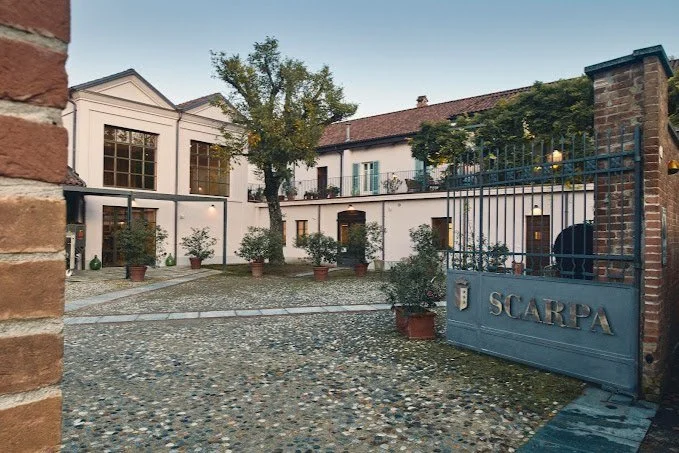
Unlike in Tuscany, where wineries are frequently 600-700 years old or more, in Piedmont you’re old if it’s been 100 years. Scarpa is one of those that counts as ancient in Piedmont, founded by Antonio Scarpa in 1854 then sold to Mario Pesce in 1949. It was in the 1960s and early 1970s that Scarpa became a player by buying multiple properties and producing single-vineyard wines, which was not common in those days. Today, their wines celebrate their roots by leaning into the old-school style of the 1960s and 70s.
Read More
Focused, Lively Wines from Piedmont's Castello di Perno
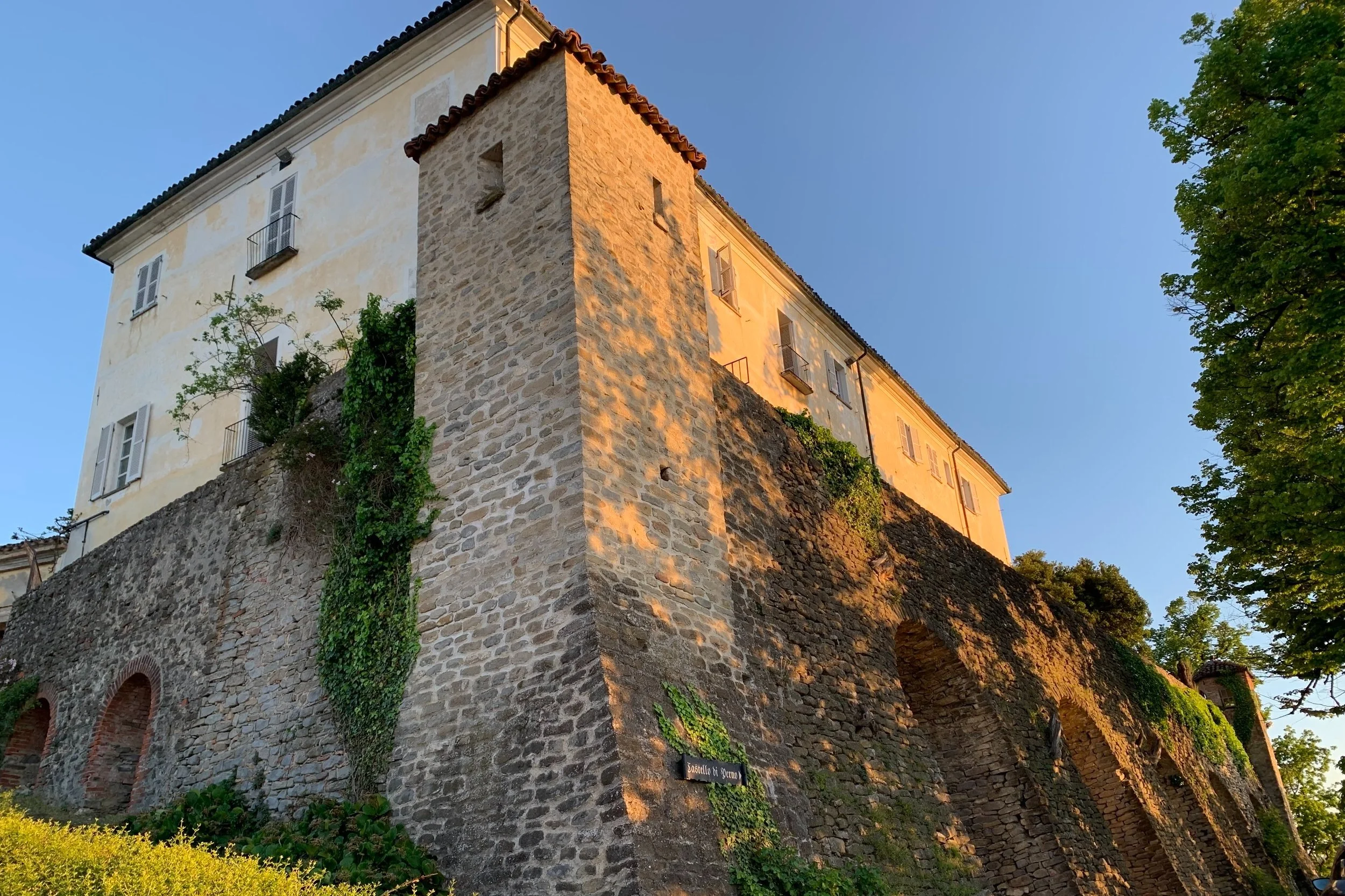
Call me silly but I always find staying in castles a bit exciting—not that I’m into hanging out over the ramparts, but there’s just something about it. It’s no different at the Castello di Perno except this small castle is poised on a ridge above the village of Monforte d’Alba, one of my favorites in Barolo. It’s an old castle, but the thing that is really interesting is that Giulio Einaudi, one of Italy’s most famous publishers, owned this up until 2012 when Giorgio Gitti purchased it and the estate. They still have Einaudi’s library, and it gave me goosebumps when I visited and walked over the creaking wooden floor and smelled the dusty old manuscripts—it made me feel like I was in a castle!
Read More
Barale's 2016 Barolo
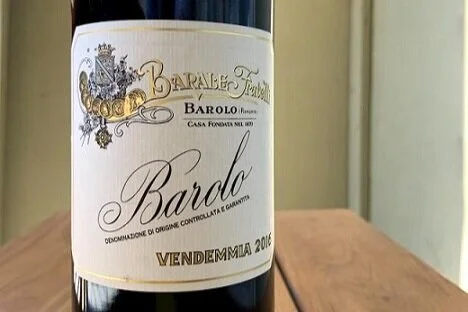
Barale Fratelli is always among our favorites wines from Piedmont, as the balance between elegance and value that each bottle delivers seriously can't be matched. In their 2016 Barolo, they've truly made something special.
Read More
A Tale of Two Cities: Barbera from Alba and Asti
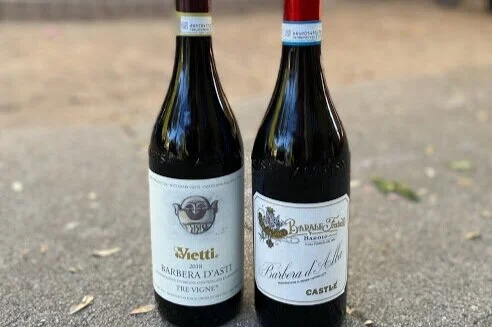
Italian wine is known for its food-friendliness, but the Barbera grape from Piedmont might very well be the most versatile for the dinner table. Its high acidity and friendly tannins make it a great pair for many a meal. With subtle differences in style based on where it’s grown, the best way to really get to know this grape is to open up a bottle from each of its hometowns. Hard work, but someone’s gotta do it…
Read More
The Not-To-Be-Missed 2016 Piedmont Vintage
Early results are in, and there are fewer vintages in the region’s history that are delivering at such a high level from Barbaresco to Barolo and beyond. Any cellar full of the best of 2016 Piedmont will thrill collectors for years to come.
Read More