

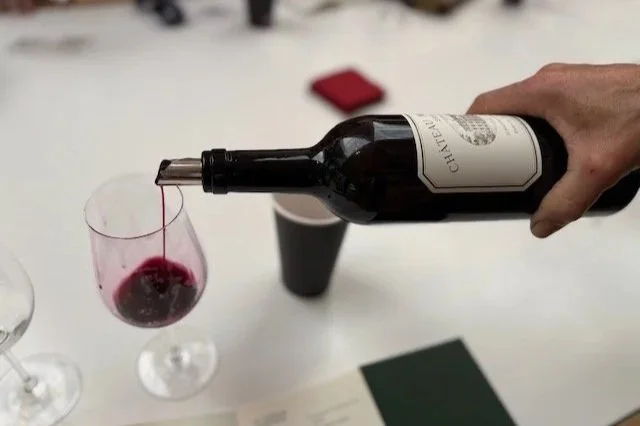
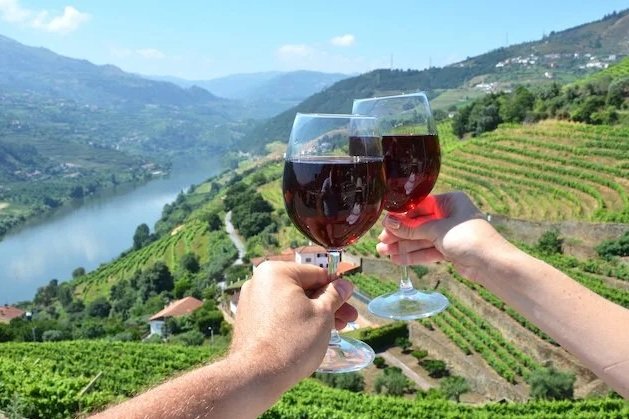
Rachael Ryan just returned from Portugal, and her verdict is unambiguous: Douro red wines have never been better. A region once defined almost entirely by Port has transformed over the past decade into one of Europe's most exciting sources of unfortified red wine — fresh, structured, and priced at a fraction of comparable bottles from France or Spain. Six bottles from $16.99 to $79.99.
Read MoreK&L Champagne Report — June 2026
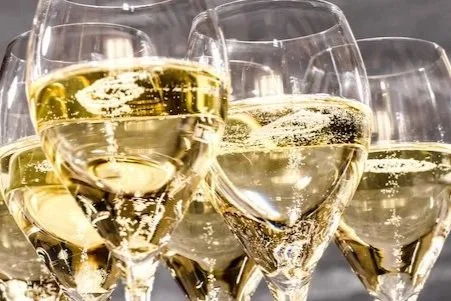
Gary Westby just returned from Champagne. Olivier Krug visited our Culver City store. Billecart-Salmon made a bottle exclusively for America. And we found growers worth knowing from $39.99. Everything in one place.
Read MoreGrowers Since 1610. Three New Bottles Worth Finding.
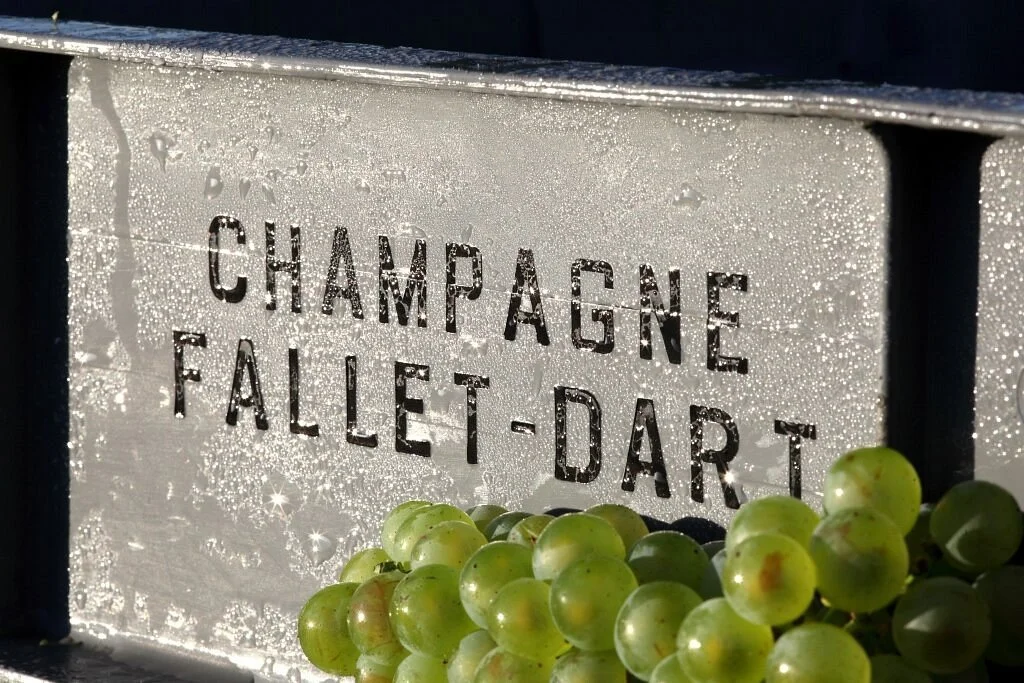
The Fallet family has been farming Charly-sur-Marne since 1610. Scott Beckerley reviews their three newest releases — including a Pur Meunier that makes the case for why this grape deserves your attention.
[Read the full review →]
Read More4 Champagnes That Surprised Our Culver City Spirits Guy
Jonathan Parnell spends most of his time in whisky. But after learning from K&L's Champagne buyers, he has opinions—and three bottles to back them up. From a our $44.99 house Champagne to a Grand Cru Blanc de Blancs that held its own against Cristal.
[Read his picks →]
Read MoreK&L Champagne buyer Gary Westby just returned from two weeks tasting the 2025 harvest in Champagne. The verdict? Surprisingly fresh—despite temperatures hitting 107°F. Find out which villages performed best, why Blanc de Blancs will be scarce, and what to buy now while it's available.
[Read the full report →]
Read MoreGary Westby traces the 90-minute ride from Gare de l'Est to Épernay — the vineyards, the villages, and the growers worth knowing out the window. Plus three bottles from Dérot-Delugny, one of the Marne Valley's best-kept secrets, starting at $39.99.
[Read the full guide →]
Read MoreOlivier Krug—sixth generation, Director of Maison Krug—visited our Culver City store for a masterclass on the world's most meticulous Champagne. We tasted the 173rd Edition Grande Cuvée and the 28th Edition Rosé. Notes were taken. Opinions were formed.
Read MoreThe 2025 Bordeaux En Primeur campaign has generated more questions than any vintage in recent memory—about quality, pricing, tariffs, and whether to buy now or wait. Here are the answers to the questions we're hearing most from collectors, with links to the full analysis where relevant.
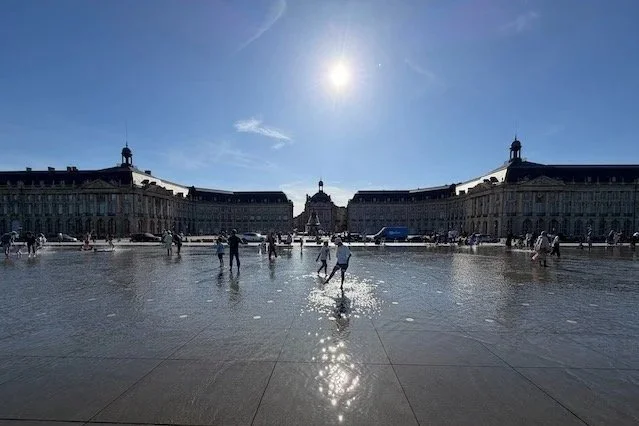
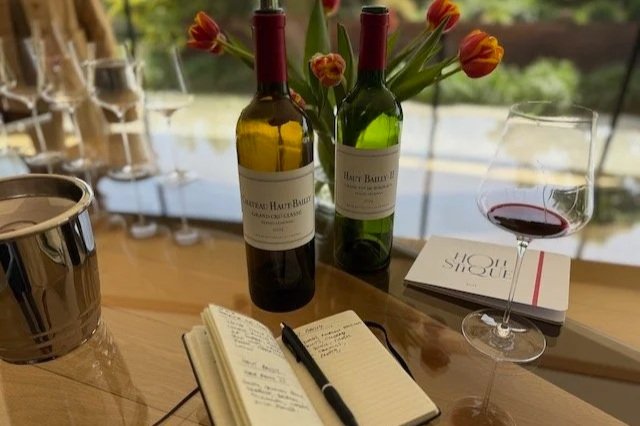
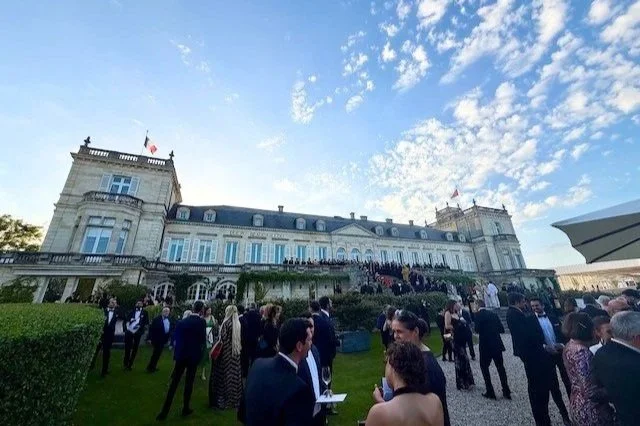
Read MoreI don't think Bordeaux 2025 compares to anything else, from the growing season to the En Primeur campaign. Harvests were as early as they've been since 1989 and yields were as low as they were in 1961. The solar vintage seemed to hint at 2022, but the result is something far more restrained. It's with these thoughts that I'd advise throwing all other vintage comparisons out the window and consider 2025 like this: there are a lot of remarkable wines that are very refreshing in style, complex in structure, and at prices that range from sharp to can't miss.
Read MoreWhen speaking of Bordeaux, Graves and Pessac-Léognan are often left out of the conversation when discussing the Left Bank/Right Bank divide. This is a glaring omission. Some of the region's best wines and values can be found here—and in 2025, the appellation delivered at every level, from the grand crus to the everyday drinking wines, and from the reds to what may be the finest dry whites of the entire campaign.
Read More2025 Bordeaux is one of the strongest vintages in recent memory, released at prices that may not last. The campaign is winding down, larger formats are going first, and the best allocations are already moving. Here is how to make sure you don't miss it.
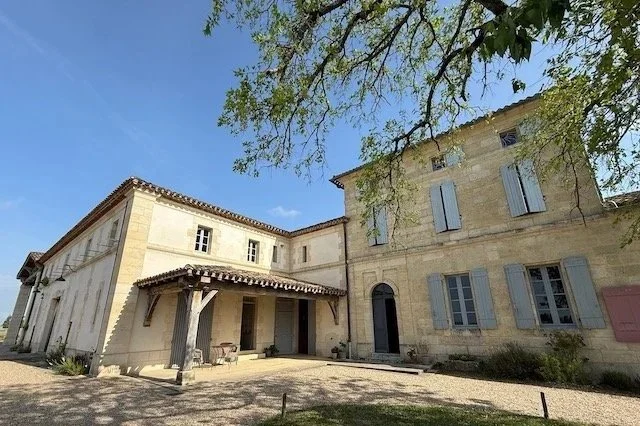
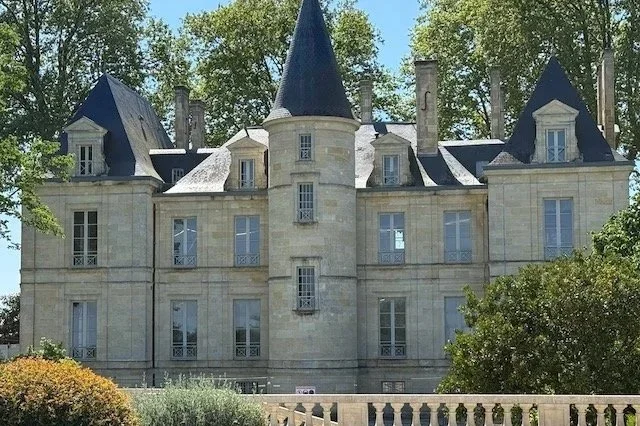
Read MoreWhere the Left Bank impressed with structure and precision, the Right Bank was about texture. We spent the first half of our trip across the Médoc and Pessac-Léognan, and the wines were stunning. But the moment we crossed to the Right Bank, the whole character of the vintage shifted under our feet. Where the usual suspects of the Haut-Médoc and the Graves showed depth and promise, the Merlot- and Cabernet Franc-dominated wines of Saint-Émilion and Pomerol gave us something more generous—silky, expressive wines layered with minerality.
Read More