We’re bringing together some of the best wines from across Italy to showcase the diversity, the craftsmanship, and the pure joy of today’s Italian wine scene.
Read More
We’re bringing together some of the best wines from across Italy to showcase the diversity, the craftsmanship, and the pure joy of today’s Italian wine scene.
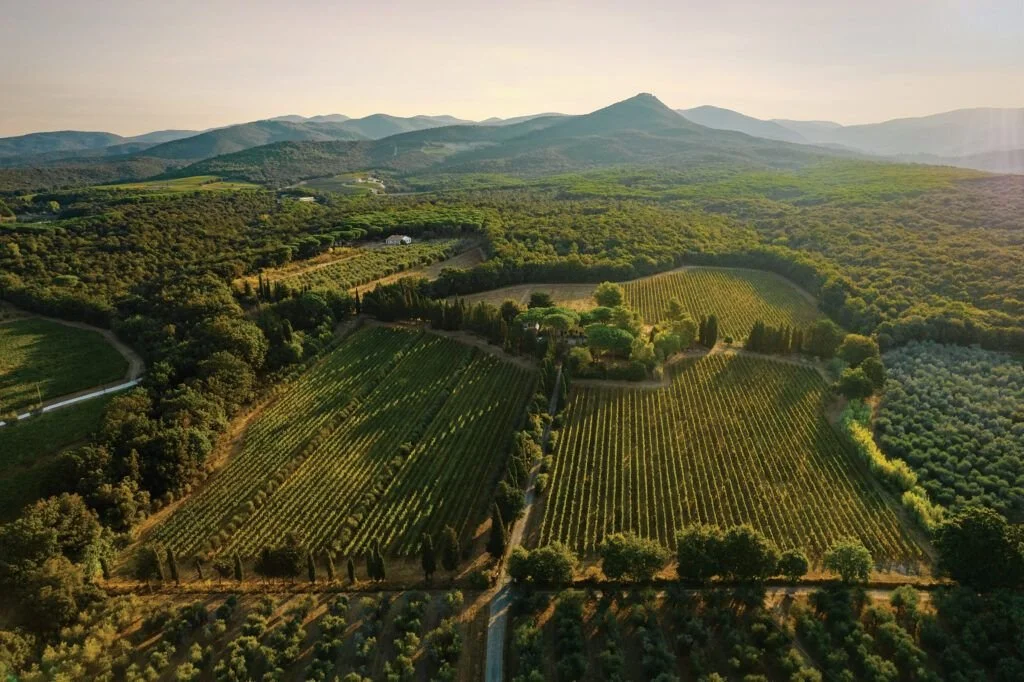
Read MorePian dell’Orino delivers some of the most authentic Sangiovese from Montalcino’s hillside region. Located near the Biondi-Santi estate, the Pian dell’Orino name has become synonymous with outstanding quality. The winery has been able to rise to benchmark Brunello status while working biodynamically and using a Burgundian vineyard management. They represent one of the more forward-looking producers you can find nowadays in Montalcino.
Read MoreThirty years ago, after completing winemaking school in Germany, Sean O’Callaghan set off with his motorcycle throughout Italy. He landed in Chianti and never looked back—and if you’ve ever had the chance to visit there, you probably can understand. It is just such a perfect wine region; the proximity to Florence and the beauty of the hills are something that will stay in your heart forever. And let’s not forget about the wine—I mean, it’s Chianti after all!
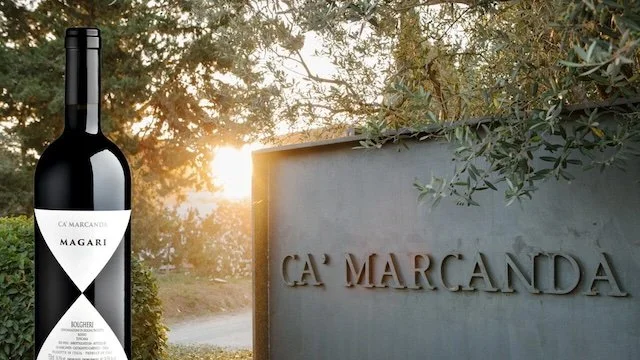
Read MoreWhen Barolo legend Angelo Gaja purchased Ca'Marcanda in 1996, Bolgheri was not yet the internationally recognized appellation it is today. However, Angelo had a vision: to bring his experience from Piedmont to Tuscany’s coastal terroir. Thirty years later, the exceptional Super Tuscan wines of Gaja have become the gold standard by which the region is measured.
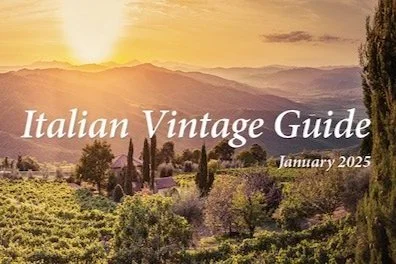
Read MoreIt has been a long time since I first wanted to write a vintage guide for the main categories of wine that Italy offers. As wine professionals, we often place too much emphasis on vintage and risk miscommunicating its importance to customers. While vintage undoubtedly impacts the wine’s final taste, it doesn’t tell the whole story. A good bottle is a good bottle, and how it tastes depends as much on your expectations as on the vintage itself. Moreover, a great producer rarely makes a bad bottle, even in challenging years. In fact, I truly enjoy tasting wines from great producers in less favorable vintages; it’s fascinating to see how they interpret the conditions of the year.
Read MoreTuscany is a region with endless charm. It combines the beauty of nature with its historical heritage, and it has a deep-rooted connection to viticulture. It has complex hills that brings various micro-climates and a centuries-old winemaking tradition that makes this region one of Italy's most famous. Join us this Saturday, Feb 1st to taste, and join me On the Trail to explore these wines.
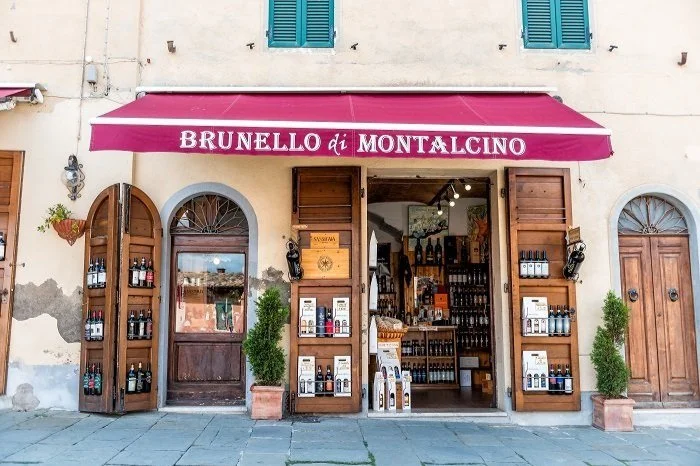
Read MoreI first visited Montalcino in the summer of 1982. It was scorchingly hot when I arrived at the Fattoria dei Barbi, and upon entry to the cellar, there was a unique calmness—ok coolness as well—it was a serene silence among barrels of a size I’d never seen before. The 1982 vintage turned out to be a great year for Brunello di Montalcino and marked the beginning of Brunello di Montalcino’s entrance on the world stage as a wine to be reckoned with.
Read MoreFrom the heart of Chianti Classico in Panzano, one of Chianti Classico’s best growing areas, Le Cinciole produces wines of incredible concentration and depth of flavor, while still being so decidedly elegant—nothing clumsy about the power here.
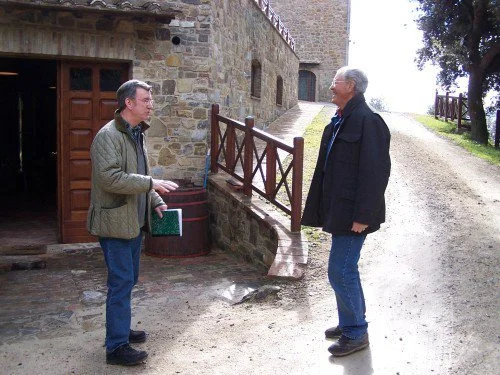
Read MoreI was mostly interested in the 2002 vintage because I knew it was an extremely difficult year in Montalcino (they never say bad), and I knew if their 2002 was solid then everything else would take care of itself. I was amazed at the freshness, purity, and supple weight of the wine! The other vintages, too, were unbelievably good. I said, OK I’ll be your importer.
Read MoreWhether you’re a seasoned Sangiovese collector, newly enraptured with Tuscany or just reaching for a warming red this season, finding the right bottle of Chianti Classico is getting a whole lot easier.
Read MoreIn Italy’s northwest corner, in the region of Piedmont, one of the world’s great wines is produced. In 2019 the weather gods have shined once again on the Langhe Hills and the Nebbiolo grapes that grow there. For Barolo lovers, 2019 is nothing less than dynamite.
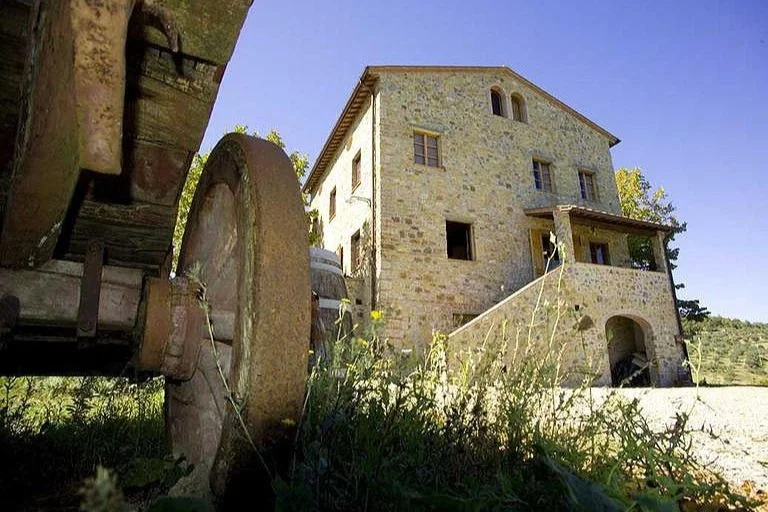
Read MoreI think it took me at least two years to figure out the proper pronunciation for this winery, it’s [FEL-zina], so don’t feel bad if you didn’t have it correct. I was with Giuseppe Mazzocolin, the then manager of the winery and son-in-law of the owner. Giuseppe had a background in classics—not winemaking or anything to do with it—but he nonetheless jumped in to help resurrect the winery. The Poggiali Family purchased the property in 1966 and began renovating it. In the late 1970s Giuseppe arrived and changed the game.
Read More