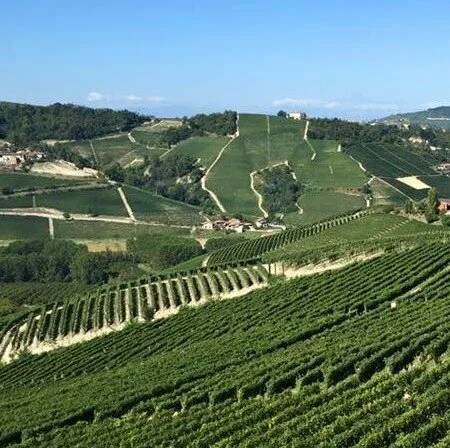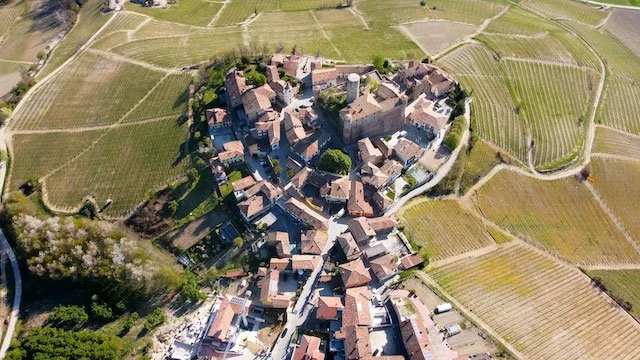
Few estates in Piedmont occupy the rarefied position that Vietti holds today. Founded in the late 19th century in Castiglione Falletto, Vietti has long been both a guardian of tradition and a catalyst for progress, helping to define how the world understands Barolo and Barbaresco. Decades before single‑vineyard bottlings became the norm, Vietti was already isolating and elevating individual crus, insisting that Barolo was not a monolith but a mosaic of distinct sites. That conviction—paired with meticulous farming, sensitive winemaking, and an unerring sense of balance—has made Vietti one of the great reference-point producers of Piedmont.
Read MoreWhen you talk about Angelo Gaja, you aren't just talking about wine. You are talking about a revolution. I mean, we take it for granted now that Italian wine stands toe-to-toe with the best of Bordeaux and Burgundy, but back in the 1960s and 70s? That was absolutely not the case. Piedmont was rustic. It was traditional. It was a place of giant, old casks and farming methods that hadn't changed in a century.
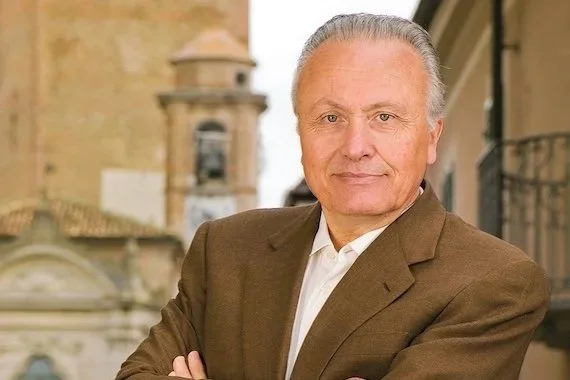
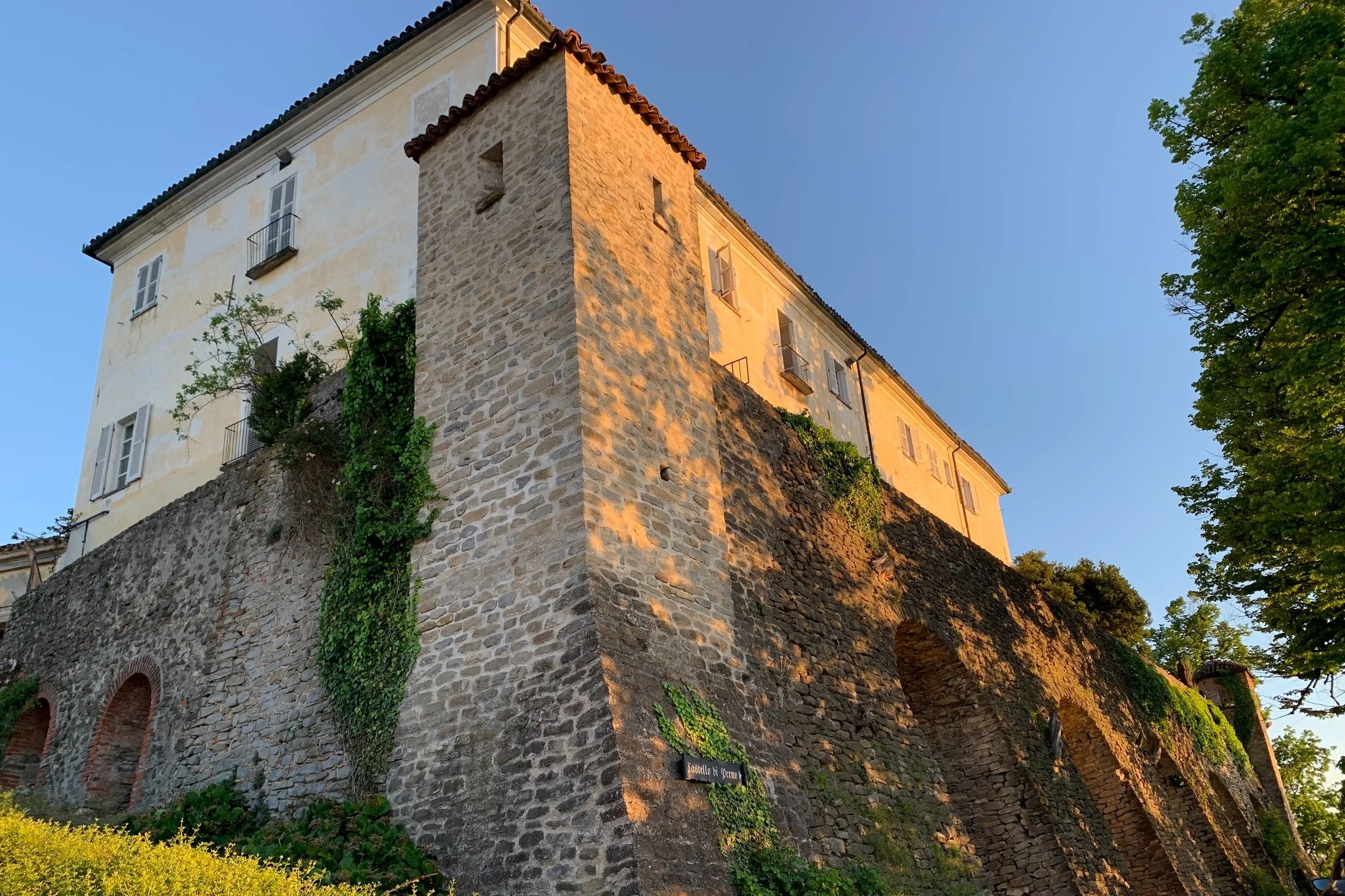
Read MoreCall me silly but I always find staying in castles a bit exciting—not that I’m into hanging out over the ramparts, but there’s just something about it. It’s no different at the Castello di Perno except this small castle is poised on a ridge above the village of Monforte d’Alba, one of my favorites in Barolo. It’s an old castle, but the thing that is really interesting is that Giulio Einaudi, one of Italy’s most famous publishers, owned this up until 2012 when Giorgio Gitti purchased it and the estate. They still have Einaudi’s library, and it gave me goosebumps when I visited and walked over the creaking wooden floor and smelled the dusty old manuscripts—it made me feel like I was in a castle!
Read MoreEarly results are in, and there are fewer vintages in the region’s history that are delivering at such a high level from Barbaresco to Barolo and beyond. Any cellar full of the best of 2016 Piedmont will thrill collectors for years to come.
Read More