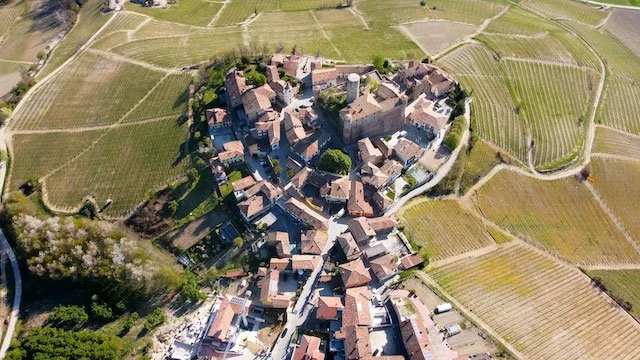
Few estates in Piedmont occupy the rarefied position that Vietti holds today. Founded in the late 19th century in Castiglione Falletto, Vietti has long been both a guardian of tradition and a catalyst for progress, helping to define how the world understands Barolo and Barbaresco. Decades before single‑vineyard bottlings became the norm, Vietti was already isolating and elevating individual crus, insisting that Barolo was not a monolith but a mosaic of distinct sites. That conviction—paired with meticulous farming, sensitive winemaking, and an unerring sense of balance—has made Vietti one of the great reference-point producers of Piedmont.
Read MoreItalian wine offers something few wine cultures can: an unmatched combination of history, place, and everyday pleasure. From the sunlit hills of Tuscany to the fog-shrouded vineyards of Barolo, Italy’s greatest wines are rooted in native grapes, centuries of tradition, and a deep connection to food and local life. At the same time, Italy remains one of the world’s best sources of value, producing honest, character-driven wines that deliver far more quality than their price suggests. In this issue, we explore the power and prestige of Tuscany, the depth and longevity of Barolo, and the joy of discovering Italian wines that prove you don’t need to spend a fortune to drink beautifully.
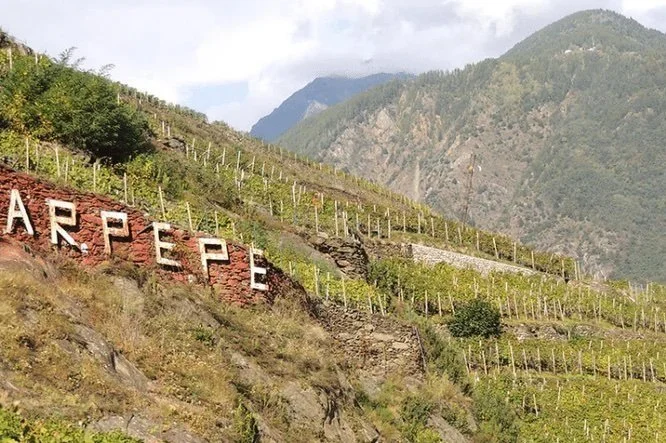
Read MoreFrom the core of Valtellina’s cliff-like landscape in the Italian Alps emerges Nebbiolo master Ar.Pe.Pe. They grow their Nebbiolo on vineyards higher than the clouds—both physically and spiritually. Each bottle carries the harmonious blend of stone, time, wind, and willpower that results in ethereal Nebbiolo wines that will descend deep into your memory. You will never forget about this producer once you try their wines.
Read MoreHave you ever tried an Alpine Nebbiolo? Though you may associate Italy’s Piemonte region with Barolo and Barbaresco, it actually covers a large area expanding all the way to the Swiss border. Alto Piemonte is a wine region nestled along that border, in the most remote part of Piedmont. The most famous villages, just to name a few, are Boca, Lessona, Gattinara, Bramaterra, and Ghemme. You also find wine from the Coste delle Sesia Nebbiolo, a local “Langhe Nebbiolo”–style wine. Le Piane, located in Boca, is for me the best place to start discovering the beautiful Alto Piemonte. It is one of the most exciting wineries in this region, and I love the story behind it.
Read MoreTuscany holds so many well-known wines and wineries that it is always more of a challenge to bring you something new; but if I cannot do that, then you can’t go wrong with the tried and true! The 2022 Ciacci Piccolomini d'Aragona Rosso di Montalcino $22.99 is the perfect introduction to Sangiovese for folks who have not had much of it before. Wines that are 100% Sangiovese can be a bit acidic, but this wine is full of richly textured, sweet, ripe fruit that still shows balance but has a super easy drinkability to it. Priced as a no brainer, grab a couple for the in-laws, they will love it.
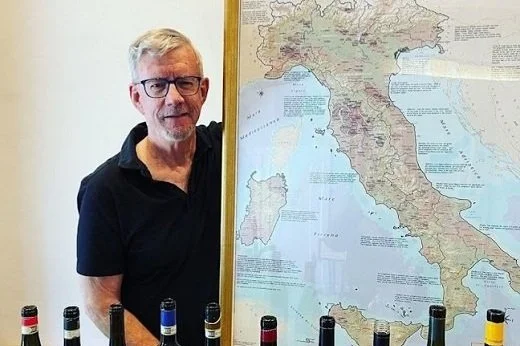
Read MoreThis month’s newsletter, amazingly enough, coincided with the arrival of our Direct Import container. Wines that all have a special place in my heart, some of these friendships I’ve curated over the last 25 years while importing their wines. Italy, for me, is a treasure trove, constantly brimming with new wines, varieties, and styles that, even after a lifetime of trying to learn everything new, come to the surface every week.
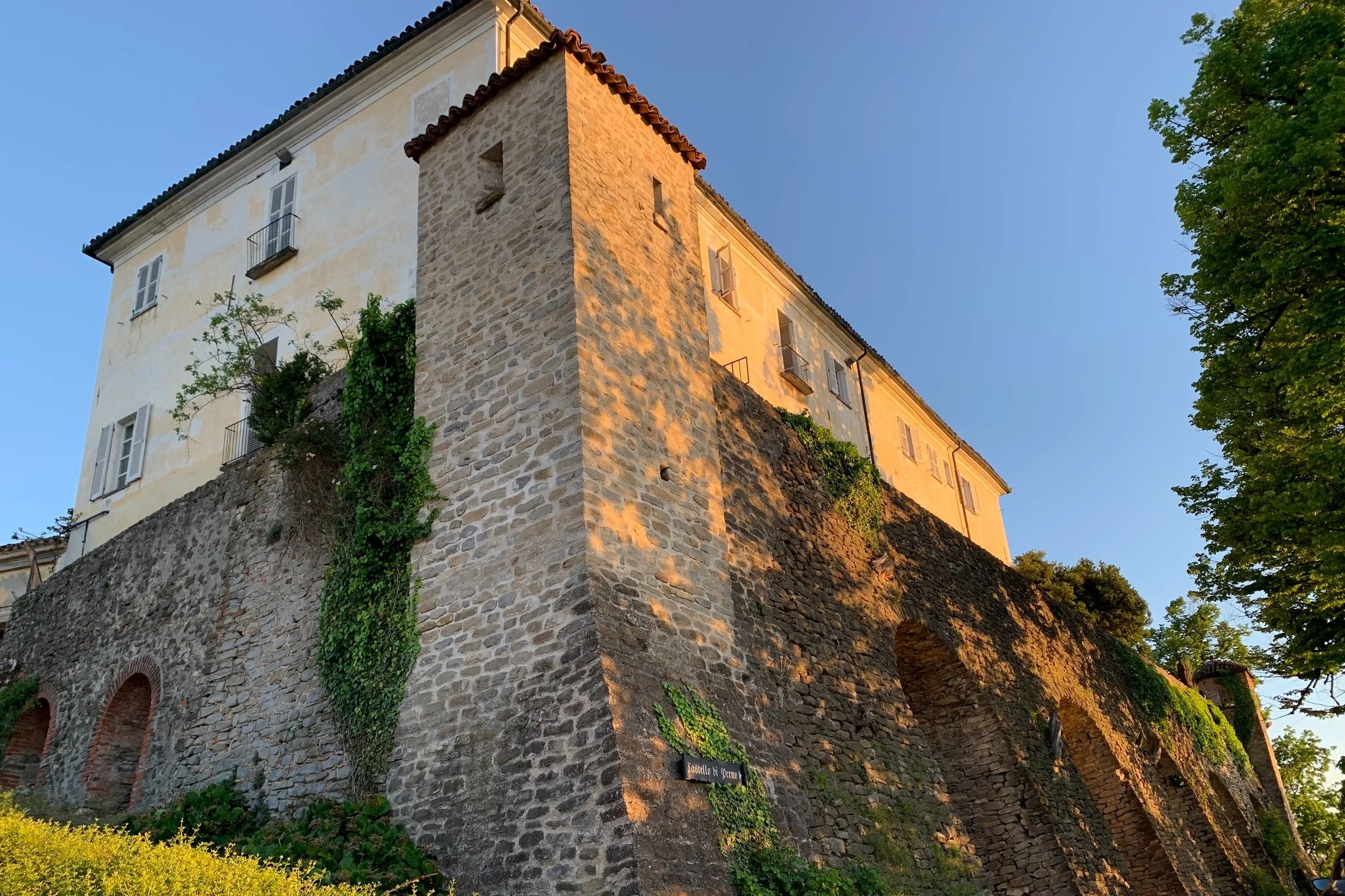
Read MoreCall me silly but I always find staying in castles a bit exciting—not that I’m into hanging out over the ramparts, but there’s just something about it. It’s no different at the Castello di Perno except this small castle is poised on a ridge above the village of Monforte d’Alba, one of my favorites in Barolo. It’s an old castle, but the thing that is really interesting is that Giulio Einaudi, one of Italy’s most famous publishers, owned this up until 2012 when Giorgio Gitti purchased it and the estate. They still have Einaudi’s library, and it gave me goosebumps when I visited and walked over the creaking wooden floor and smelled the dusty old manuscripts—it made me feel like I was in a castle!
Read MoreEvery time I write an introduction for one of these newsletters I feel a great weight, like all of Italy is depending on me to explain their wines, because a lot of the wines do take some explaining! Italy’s bountiful wine culture produces a plethora of styles from hundreds of unique varieties—it’s really complicated. It’s not just grape varieties that contribute to the intricacy of the wine culture; it’s the varied terrain of mountains, valleys, cliffs, plus a myriad of different trellising methods—and then there’s diverse winemaking methods such drying the grapes as well. But this month I’ll be talking about Italy’s bread and butter—or maybe focaccia and olive oil—with a focus on Piedmont and Tuscany, new and old.
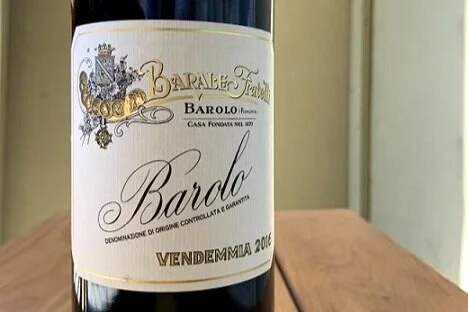
Read MoreBarale Fratelli is always among our favorites wines from Piedmont, as the balance between elegance and value that each bottle delivers seriously can't be matched. In their 2016 Barolo, they've truly made something special.
Read MoreEleonora and her sister, Gloria, represent the fifth generation to take the reins at Barale Fratelli, a Piedmontese winery whose history in the Barolo region runs 150+-years deep. The fact that they are not fratelli at all, but sorelle (sisters), is as important as the fact that they are still making exceptional, traditionally styled Barolo. They uniquely represent the new generation in Barolo: proud women holding leadership roles in what was once a very male-dominated context, but with ties to the past and great respect for tradition. If they are indeed the future of Barolo, then there’s a beautiful symbiosis of past and present in store.
Read More