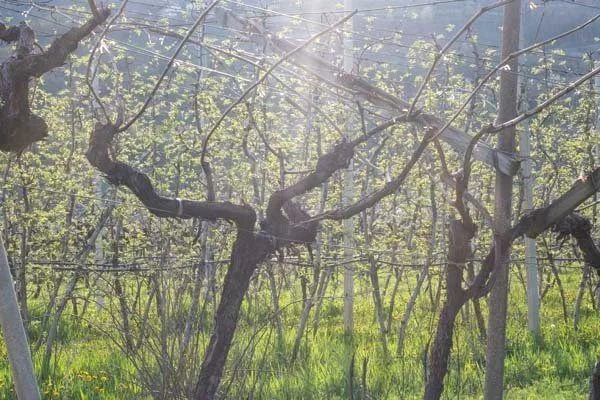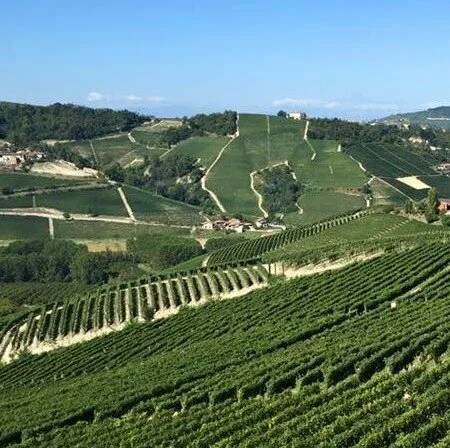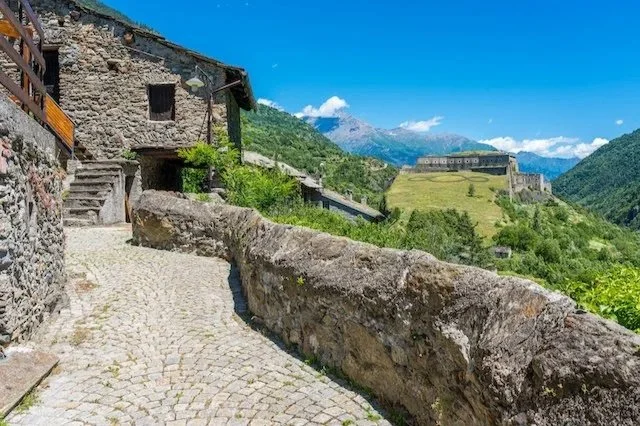
There is no grape in Italy that demands more of you—or rewards you more deeply—than Nebbiolo. It's the reason I fell in love with Piedmont. It's the reason I keep going back. This week, we are exploring Nebbiolo in all its forms: from the graceful, approachable wines of the Langhe to the iron-fisted grandeur of Barolo, the alpine severity of Valtellina, and the haunting minerality of Alto Piemonte.
Read MoreWhen you talk about Angelo Gaja, you aren't just talking about wine. You are talking about a revolution. I mean, we take it for granted now that Italian wine stands toe-to-toe with the best of Bordeaux and Burgundy, but back in the 1960s and 70s? That was absolutely not the case. Piedmont was rustic. It was traditional. It was a place of giant, old casks and farming methods that hadn't changed in a century.
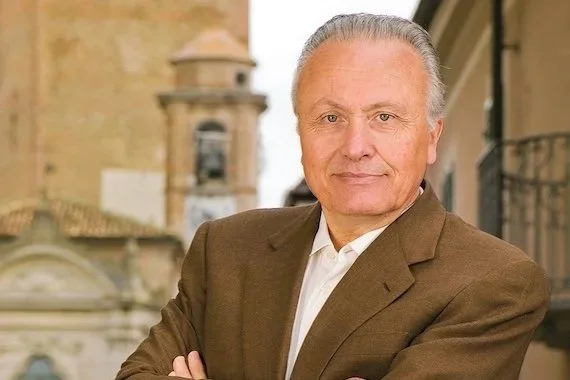
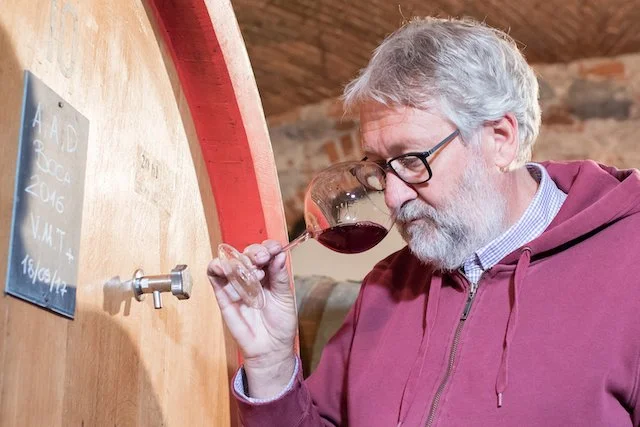
Read MoreHave you ever tried an Alpine Nebbiolo? Though you may associate Italy’s Piemonte region with Barolo and Barbaresco, it actually covers a large area expanding all the way to the Swiss border. Alto Piemonte is a wine region nestled along that border, in the most remote part of Piedmont. The most famous villages, just to name a few, are Boca, Lessona, Gattinara, Bramaterra, and Ghemme. You also find wine from the Coste delle Sesia Nebbiolo, a local “Langhe Nebbiolo”–style wine. Le Piane, located in Boca, is for me the best place to start discovering the beautiful Alto Piemonte. It is one of the most exciting wineries in this region, and I love the story behind it.
Read MoreAt the heart of it, most of us are looking for wines that simply outperform their price point. Whether it is the everyday $20 cellar defender that goes head to head with the trendy $50 blue chip, or the First-Growth rival at a Super-Second price. Admittedly, I spend most of my day trying to find these wines, whether personally or professionally. Here are some of my favorites…
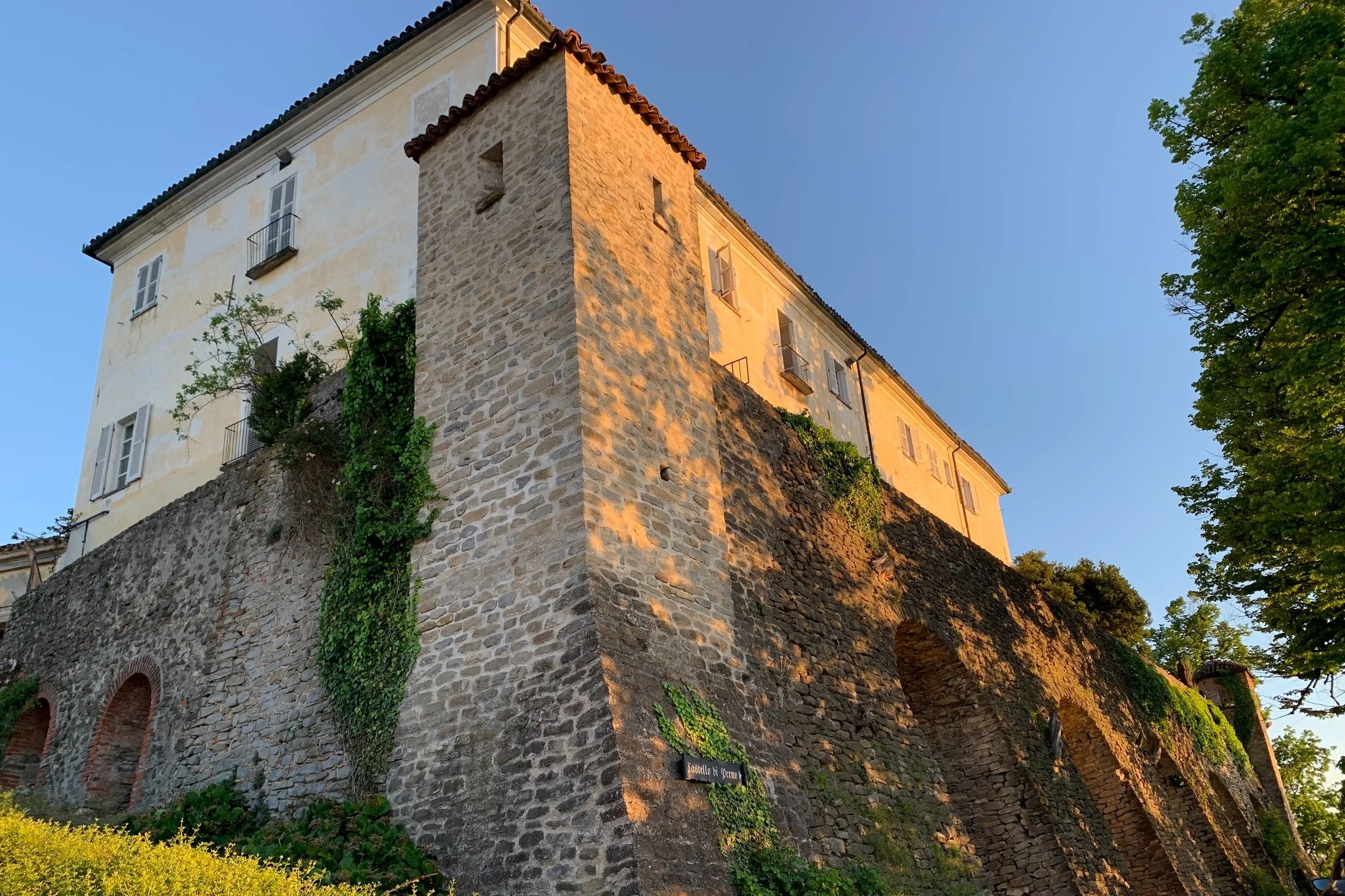
Read MoreCall me silly but I always find staying in castles a bit exciting—not that I’m into hanging out over the ramparts, but there’s just something about it. It’s no different at the Castello di Perno except this small castle is poised on a ridge above the village of Monforte d’Alba, one of my favorites in Barolo. It’s an old castle, but the thing that is really interesting is that Giulio Einaudi, one of Italy’s most famous publishers, owned this up until 2012 when Giorgio Gitti purchased it and the estate. They still have Einaudi’s library, and it gave me goosebumps when I visited and walked over the creaking wooden floor and smelled the dusty old manuscripts—it made me feel like I was in a castle!
Read MoreEvery time I write an introduction for one of these newsletters I feel a great weight, like all of Italy is depending on me to explain their wines, because a lot of the wines do take some explaining! Italy’s bountiful wine culture produces a plethora of styles from hundreds of unique varieties—it’s really complicated. It’s not just grape varieties that contribute to the intricacy of the wine culture; it’s the varied terrain of mountains, valleys, cliffs, plus a myriad of different trellising methods—and then there’s diverse winemaking methods such drying the grapes as well. But this month I’ll be talking about Italy’s bread and butter—or maybe focaccia and olive oil—with a focus on Piedmont and Tuscany, new and old.
Read MoreToday's Newsletter takes us to Italy, with a focus of the northern half of the Boot. Top Tuscan reds lead the way, all in stock with glowing critical acclaim and exceptional pricing, and we introduce you to the stunning Alto Adige reds (yes, reds!) of the brilliant Elisabetta Foradori. A carefully curated selection of top buys puts the spotlight on Piedmont's recent vintages, and a trio of staff picks from our Italian team should be on everyone's radar.
Read MoreEarly results are in, and there are fewer vintages in the region’s history that are delivering at such a high level from Barbaresco to Barolo and beyond. Any cellar full of the best of 2016 Piedmont will thrill collectors for years to come.
Read More