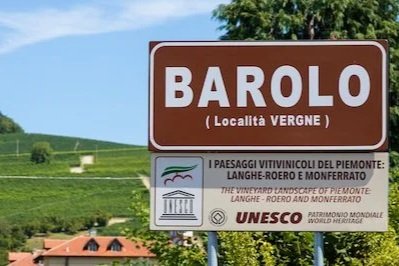
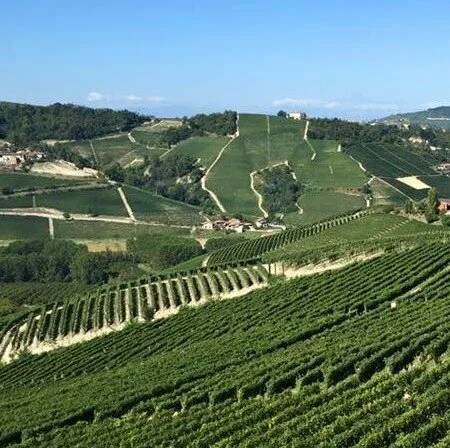
If 2016 was the vintage of power and 2019 was the vintage of austerity, 2021 in Barolo is the vintage of complete nobility. As these wines finally start to reach our shelves, the verdict from the Langhe is unanimous: this is a “modern classic”year. The spine-tingling acidity of the past meets the polished winemaking and tannin management of the present.
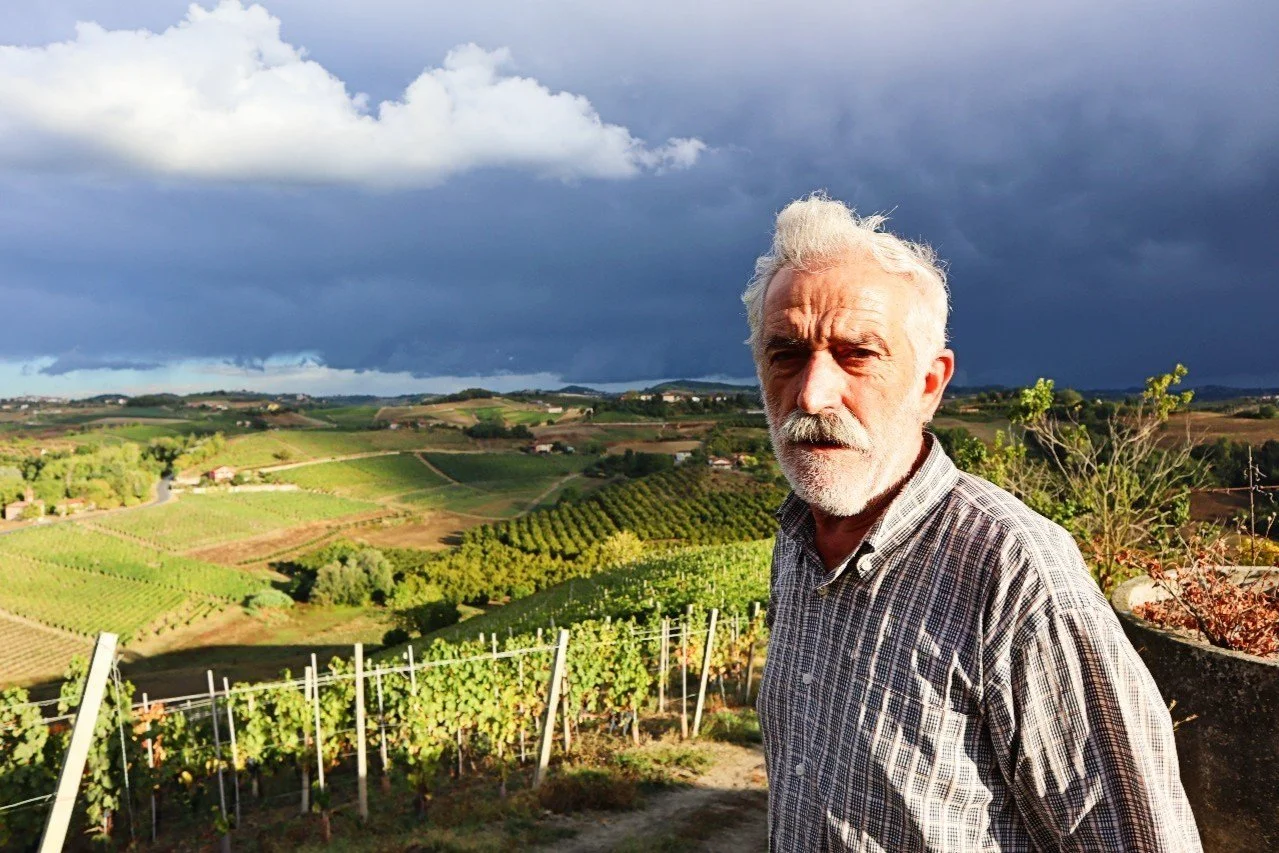
Read MoreThere is a lot to say about this small producer. It is the definition of eclectic and out of the ordinary; the wines are usually hard to find, and, in fact, they are regularly kind of smuggled into the U.S. The winery doesn’t have a ordinary distribution network like the rest of the producers that you see on the shelves in the U.S. Rather, Flavio Roddolo avoids trends and stays isolated in his dedication to vine cultivation in his homeland of Monforte D’Alba. He farms, he ferments, he bottles—he does everything himself. The production is tiny, tiny—they are even hard to find if you ever go in the Langhe. No marketing, no consultants, no shortcuts. His approach involves time along with traditional methods—that is it.
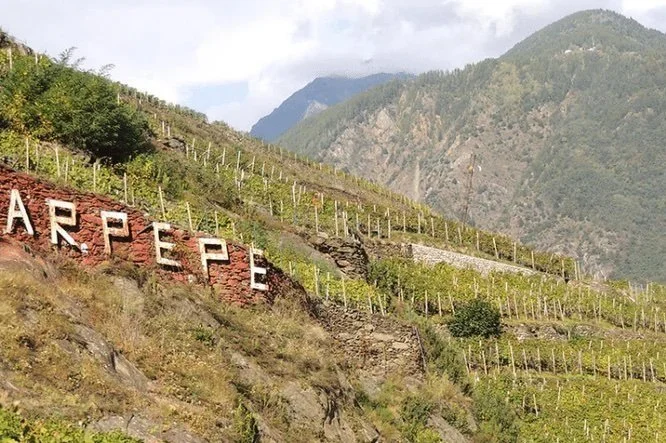
Read MoreFrom the core of Valtellina’s cliff-like landscape in the Italian Alps emerges Nebbiolo master Ar.Pe.Pe. They grow their Nebbiolo on vineyards higher than the clouds—both physically and spiritually. Each bottle carries the harmonious blend of stone, time, wind, and willpower that results in ethereal Nebbiolo wines that will descend deep into your memory. You will never forget about this producer once you try their wines.
Read MoreHave you ever tried an Alpine Nebbiolo? Though you may associate Italy’s Piemonte region with Barolo and Barbaresco, it actually covers a large area expanding all the way to the Swiss border. Alto Piemonte is a wine region nestled along that border, in the most remote part of Piedmont. The most famous villages, just to name a few, are Boca, Lessona, Gattinara, Bramaterra, and Ghemme. You also find wine from the Coste delle Sesia Nebbiolo, a local “Langhe Nebbiolo”–style wine. Le Piane, located in Boca, is for me the best place to start discovering the beautiful Alto Piemonte. It is one of the most exciting wineries in this region, and I love the story behind it.
Read MoreBack 100 years ago Alto Piemonte was the place for wine in Piedmont and also the Pope’s favorite. Now, as climate change has made ripening less of a challenge in Alto Piemonte, more and more producers have started to expand into that territory, and it has drawn natives like Paolo de Marchi of Chianti’s Isole e Olena back to make wine on their home turf.
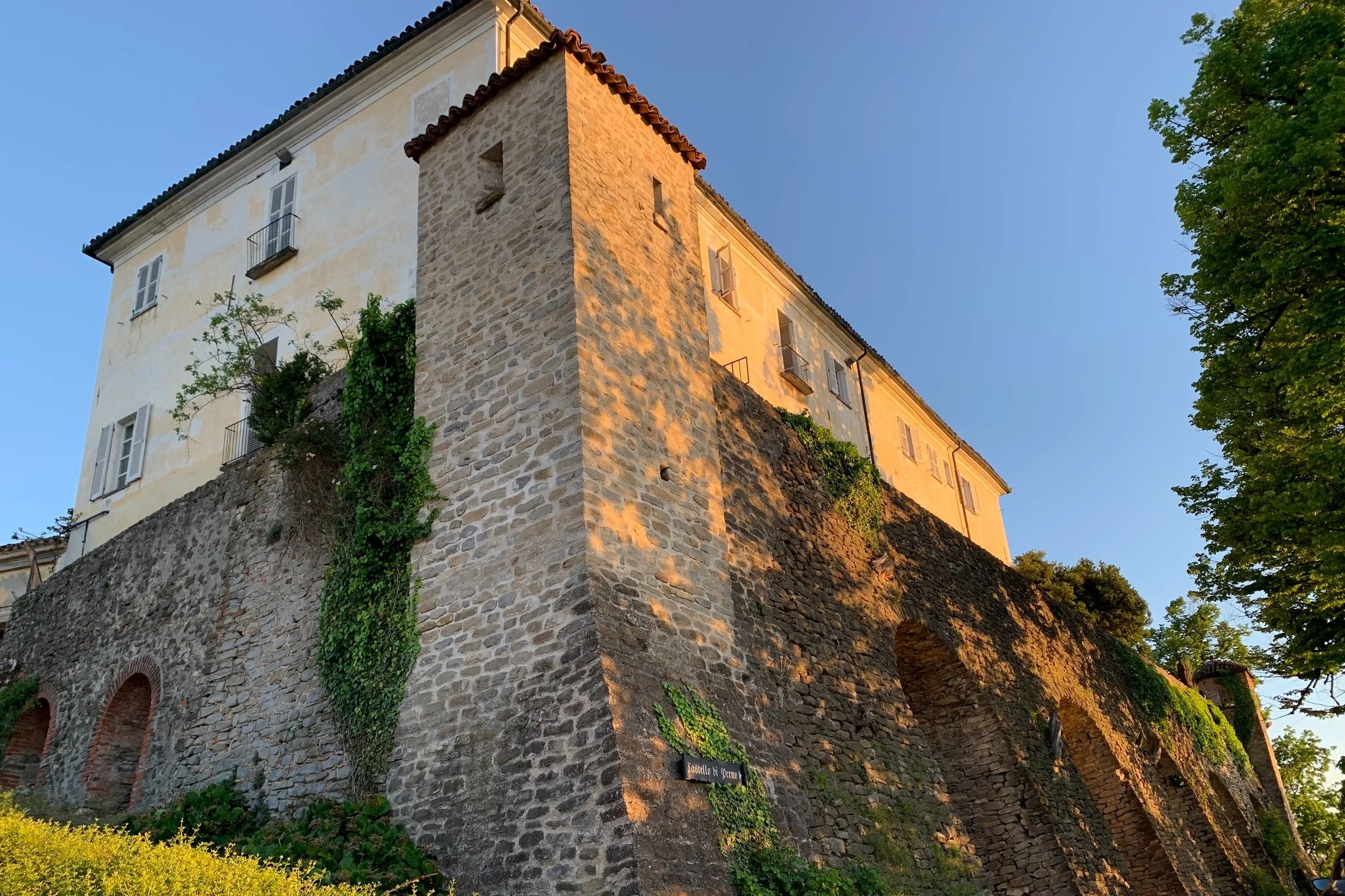
Read MoreCall me silly but I always find staying in castles a bit exciting—not that I’m into hanging out over the ramparts, but there’s just something about it. It’s no different at the Castello di Perno except this small castle is poised on a ridge above the village of Monforte d’Alba, one of my favorites in Barolo. It’s an old castle, but the thing that is really interesting is that Giulio Einaudi, one of Italy’s most famous publishers, owned this up until 2012 when Giorgio Gitti purchased it and the estate. They still have Einaudi’s library, and it gave me goosebumps when I visited and walked over the creaking wooden floor and smelled the dusty old manuscripts—it made me feel like I was in a castle!
Read MoreEvery time I write an introduction for one of these newsletters I feel a great weight, like all of Italy is depending on me to explain their wines, because a lot of the wines do take some explaining! Italy’s bountiful wine culture produces a plethora of styles from hundreds of unique varieties—it’s really complicated. It’s not just grape varieties that contribute to the intricacy of the wine culture; it’s the varied terrain of mountains, valleys, cliffs, plus a myriad of different trellising methods—and then there’s diverse winemaking methods such drying the grapes as well. But this month I’ll be talking about Italy’s bread and butter—or maybe focaccia and olive oil—with a focus on Piedmont and Tuscany, new and old.
Read MoreToday's Newsletter takes us to Italy, with a focus of the northern half of the Boot. Top Tuscan reds lead the way, all in stock with glowing critical acclaim and exceptional pricing, and we introduce you to the stunning Alto Adige reds (yes, reds!) of the brilliant Elisabetta Foradori. A carefully curated selection of top buys puts the spotlight on Piedmont's recent vintages, and a trio of staff picks from our Italian team should be on everyone's radar.
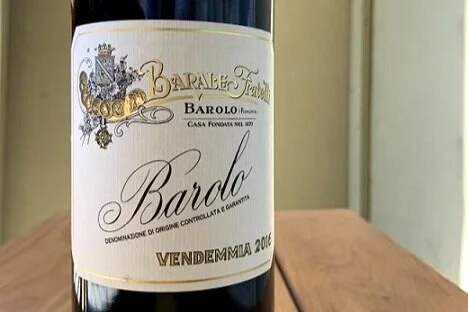
Read MoreBarale Fratelli is always among our favorites wines from Piedmont, as the balance between elegance and value that each bottle delivers seriously can't be matched. In their 2016 Barolo, they've truly made something special.
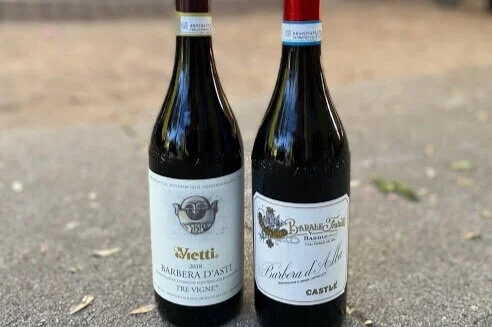
Read MoreItalian wine is known for its food-friendliness, but the Barbera grape from Piedmont might very well be the most versatile for the dinner table. Its high acidity and friendly tannins make it a great pair for many a meal. With subtle differences in style based on where it’s grown, the best way to really get to know this grape is to open up a bottle from each of its hometowns. Hard work, but someone’s gotta do it…
Read MoreEarly results are in, and there are fewer vintages in the region’s history that are delivering at such a high level from Barbaresco to Barolo and beyond. Any cellar full of the best of 2016 Piedmont will thrill collectors for years to come.
Read MoreItaly! The food, the landscape, the films, the fashion—and the wine! There’s much for a wine lover to swoon over in this land that was once named Oenotria by the Greeks for its many vines. Our Italy newsletter showcases some of the best and brightest on our shelves. Join us this Saturday as we celebrate a festa d’Italia in all three stores. Cin Cin!
Read More