The moment that nearly anyone tastes a wine, there is an immediate reaction—I like this or I do not like this—after that reaction there is rarely anymore learning. Instead of stopping at the point where you’ve deciphered whether you like the wine, one must look for the whys and hows of the wine; where is it going; what you are feeling from it… because if you stop your exploration at the first sip, you’re never going to learn the depths that are available from wine at any level.
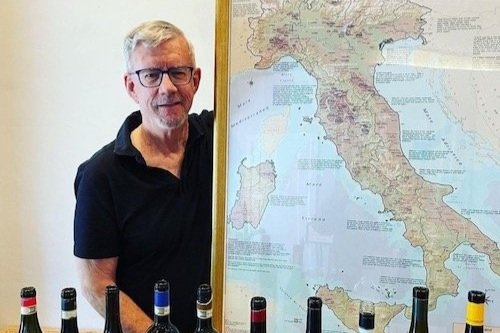
Read MoreThis is the last Italian newsletter that I will write; I am retiring. This is my 28th year at K&L, and it is time for me to move on. I started working at K&L on February 1st, 1997. That seems like such a long time ago! While thinking of that, I remembered reading an article by Malcom Gladwell, quoting a couple of scientists who, after much study, wrote that it took 10,000 hours of detailed focus to master a subject or skill. Curious, I added up my days, and, on my last day—August 29th, 2024—I will have been employed at K&L for 10,071 days. I think I passed the 10,000 hour mark a while ago.
Read MoreEndlessly refreshing, complex, and singular, the wines of Germany, Austria, and Alsace are ones that you just want to spend time with. While some fly under the radar, those who follow them almost always become passionate admirers, and the rewarding prices make it all that much easier to find the next gem. Today we're highlighting the dynamic Rieslings of Austria, celebrating two decades of working with Charles Baur, checking in on our favorite Grüners, revisiting the wonderul wines of Max Ferdinand Richer, and even have a few rarities from FX Pichler.
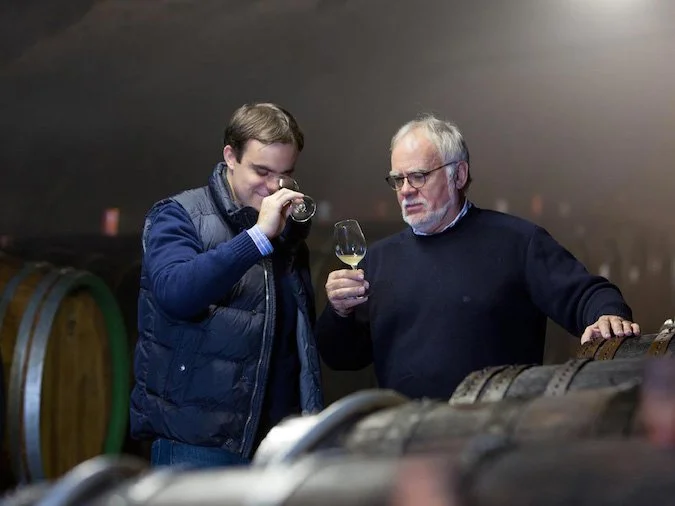
Read MoreEvery year the arrival of the wines of Max Ferdinand Richter are my bellwether for the quality of the upcoming vintage from Germany. Not only are the Richter wines usually the first arrivals from each vintage, but they offer a snapshot of the entire Mosel Valley thanks to their wide range of vineyard sources. Max Ferdinand Richter, in my opinion, qualitatively ranks in the top third of all German wine producers—and, when you factor in their affordability, they end up being one of the best producers on a dollar-for-dollar basis alongside Dr. Loosen, Fritz Haag, and Dönnhoff.
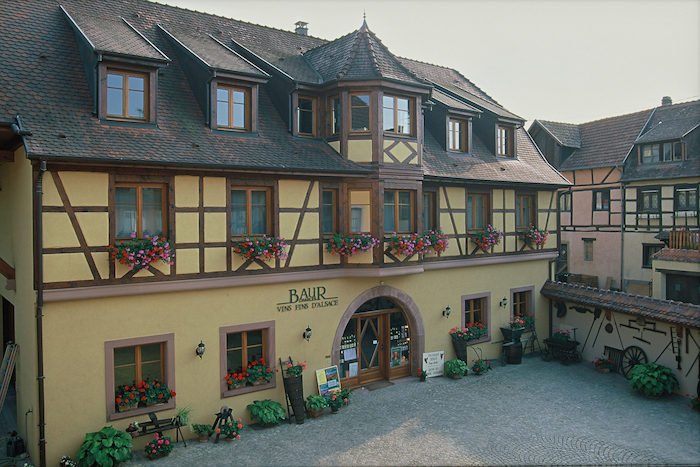
Read MoreK&L has been working with Charles Baur winery directly for over 20 years, and, as impossible as it seems, the wines get better every year. At the helm of Charles Baur winery is Arnaud Baur Jr., who has been in charge for 10+ years. With a history that dates back almost 100 years to 1930, Charles Baur winery is an icon in Alsace. What really separates Charles Bur from other Alsatian wineries is the value of their wines—at a fraction of the price that many other domaines charge, their wines stand toe-to-toe in terms of quality.
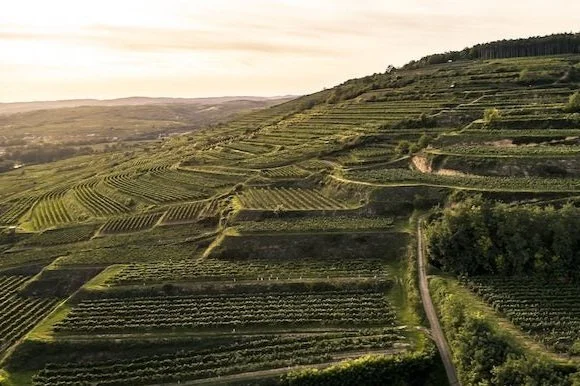
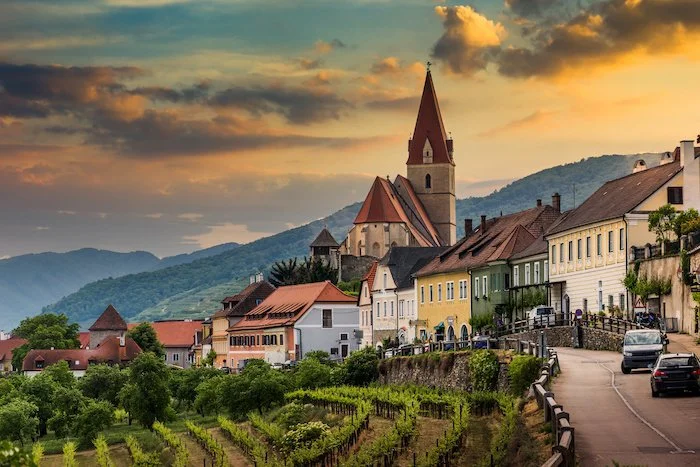
Read MoreThe three greatest Riesling producing regions in the world are Germany (obviously!), Alsace (duh!), and Austria (huh?!). Yes, Austria should be uttered in the same sentence when we discuss such great Riesling producing regions as Germany and Alsace. Sommeliers, wine writers, and industry professionals are constantly singing the praises of Austrian Riesling, and the more I taste the more I agree with this inescapable conclusion. What makes Austria such an exciting region for Riesling production is their ability to deliver outstanding value in the entry-level range while simultaneously delivering world-class quality in both the mid and high-tier price-points as well. If you love Riesling you’re guaranteed to find a great one in your price range.
Read MoreAustria is dominated by old wineries with long lineages, yet they’re also at the forefront of both organic and biodynamic faming. Grüner Veltliner is the most recognizable grape variety grown in Austria, and it recently has gone through a revolution—almost all of the Grüner Veltliner producers we carry are at the very least growing organically and many are employing biodynamic growing practices…. We have tons of great values in Grüner Veltliner in stock to help you get better acquainted to this alternative to Chardonnay, Sauvignon Blanc, and Riesling.
Read MoreMy role at K&L is broad and varied, and while Rhône is my main focus, I'm also your guide along the back roads and byways of France's hidden-gem regions. Today's newsletter features four producers that I've been thrilled to bring into our Direct Import program and introduce to our clientele. Jura, Limoux, and the Roussillon take center stage in a four-stage roadtrip to some of France's most intriguing discoveries.
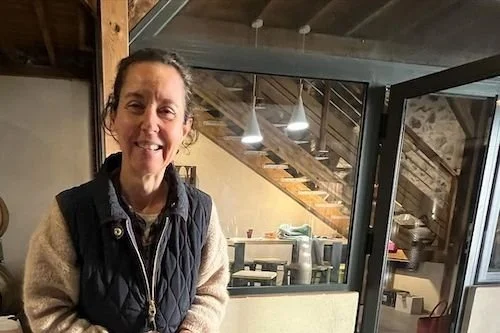
Read MoreWhen I visited Caroline Bonville of Mas Karolina this spring, it had been several years since we’d seen each other. Hers were some of the first wines I brought in when I took over the French Regional category for K&L. They were brought to our attention originally by Olivier Bonville, her cousin and a legendary winemaker in our Direct Import Champagne program. You might know him by his winery’s name—Franck Bonville—one of our longest-running relationships in Champagne. Olivier threw a mixed case of samples on a Champagne pallet headed our way, and, as soon as I tasted them, I reached out to Caroline. It is hard to believe that it has been nearly a decade since I tasted those first wines.
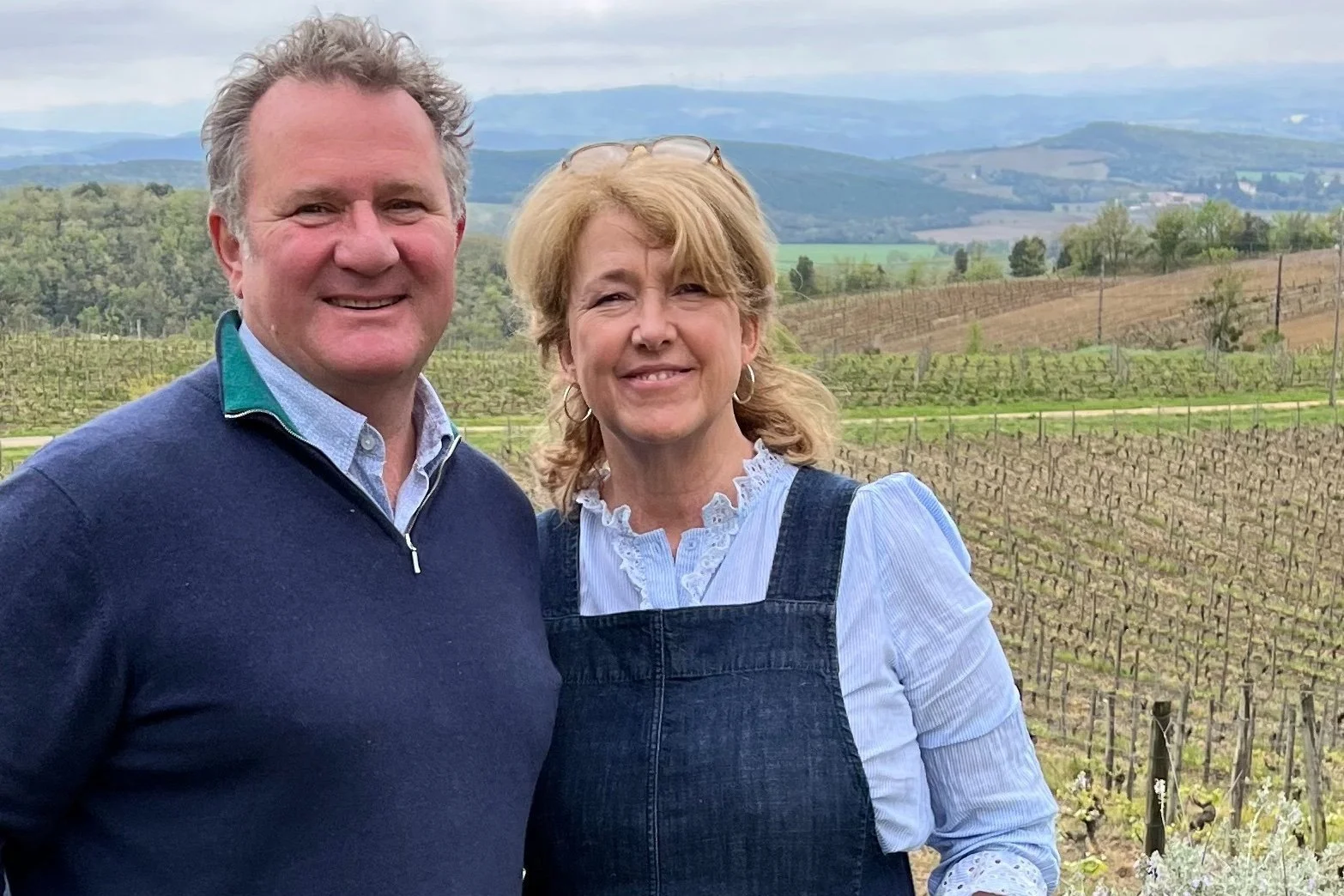
Read MoreDomaine Begude was created by James and Catherine Kinglake in 2004. Tired of working in finance in London, they fled to the south of France and bought an old estate where they put down roots. They went through the growing pains of learning the wine industry and navigating local government, all while starting their family. After 20 years, they have weathered the financial hardships of running a small winery, suffering through Brexit (they are still British citizens), and the expenses of their daughter starting college. It’s been a wild ride for sure, but James, along with his winemaking team, continues to make some of the finest bang-for-the-buck wines to grace our shelves year after year.
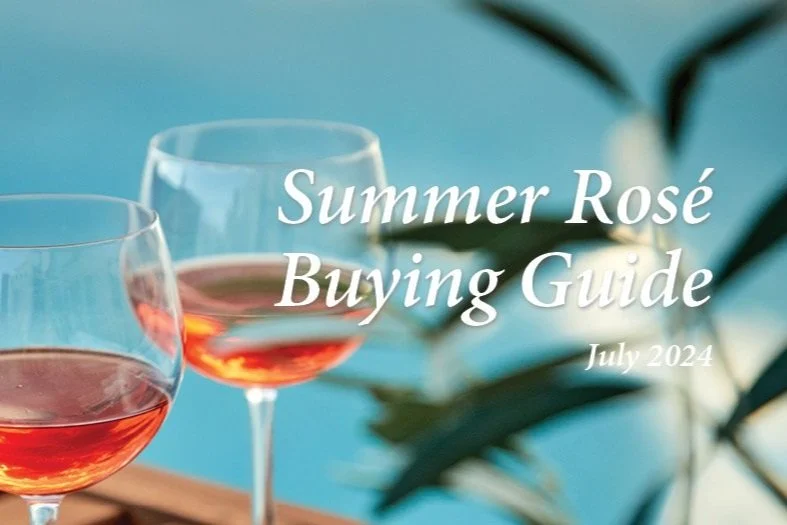
Read MoreYou could make the case that any season is rosé season, especially in California, but there's no denying that the dog days of summer are when these pink gems really shine. Today's newsletter explores the category in depth, starting with Gary Westby's top picks in rosé Champagne. Keith Mabry offers up his favorite Provence performers, plus a pair of stellar artisan beauties from Greece and Lebanon. Finally, we'll take a look at how the category has gone from pedestrian to profound with a sampling of the world's finest collectible renditions.
Read MoreRosé has always been fun, but for long time it was pretty easily dismissed in most wine circles. Hardly ever made with quality grapes, it wasn’t taken very seriously in the U.S.; until a decade or so ago, you’d hardly ever find it on restaurant wine lists. But somewhere along the way, we got the memo! More serious domestic winemakers began making it; more importers began bringing in high-quality examples from abroad; celebrities even starting dipping their toes in the rosé game. It can be a stunningly complex wine in its own right when made with quality fruit and winemaking techniques. Rosé has long been the reigning queen of cheap and cheerful, but some versions are so well made and special that they merit a space in your cellar. Some rosé can develop in the bottle and develop additional depth and character with age. From rosé Champagne to cult-caliber Lebanese bottlings, rosé is—finally—getting its moment in the sun.
Read More