Many years ago, I was at a tasting with famed wine importer Kermit Lynch, and he lamented the fact that so many restaurants and retailers push rosé off wine lists and shelves shortly after Labor Day. This makes no sense at all, he said, considering that rosé is perhaps one of the most versatile wines to pair with food. Why do we reach for Chablis and Riesling all year round but consider rosé as nothing more than a warm weather sipper? The inherent qualities of rosé—fresh acidity, good palate weight, and the combination of fruit, floral and savory aroma—make it a wine that pairs with everything from oysters to roast poultry.
Read MoreSalt, stone, and sun. This issue channels the Mediterranean’s clean lines—precise rosé, sea-sprayed whites, volcanic reds, and traditional-method sparklers—handpicked by Keith, Rachael, and Orazio. Smart values to cellar pieces, all built for warm-weather tables.
Read MoreFor the past several weeks, I’ve noticed customers scanning the New Zealand racks, asking the same questions: “Are they back in stock yet? Do you know when they’ll be here?” As the newly minted buyer for the Southern Hemisphere, I was intrigued. What are these Te Whare Ra wines everyone has been asking for?
Read MoreSpring has sprung and with it the official start of rosé season. As I’ve said before, personally I like to drink rosé all year, but here at K&L we definitely start to see an uptick in demand as the lighter evenings draw out and temperatures rise.
Read MoreRosé has always been fun, but for long time it was pretty easily dismissed in most wine circles. Hardly ever made with quality grapes, it wasn’t taken very seriously in the U.S.; until a decade or so ago, you’d hardly ever find it on restaurant wine lists. But somewhere along the way, we got the memo! More serious domestic winemakers began making it; more importers began bringing in high-quality examples from abroad; celebrities even starting dipping their toes in the rosé game. It can be a stunningly complex wine in its own right when made with quality fruit and winemaking techniques. Rosé has long been the reigning queen of cheap and cheerful, but some versions are so well made and special that they merit a space in your cellar. Some rosé can develop in the bottle and develop additional depth and character with age. From rosé Champagne to cult-caliber Lebanese bottlings, rosé is—finally—getting its moment in the sun.
Read MoreI think the world has started to embrace the idea that not all rosé is from France and actually some of its most interesting and gastronomic examples come from other parts of the world. Two of my favorite outliers come from the Mediterranean—but maybe not from places that would be your first or even second guesses. I speak of two unique and utterly fascinating winemaking regions—the island of Crete in Greece and the high mountains of the Bekaa Valley in Lebanon. The producers from both of these regions have near cult-like followings for those in the know. So if you don’t know, this is a great opportunity to find out!
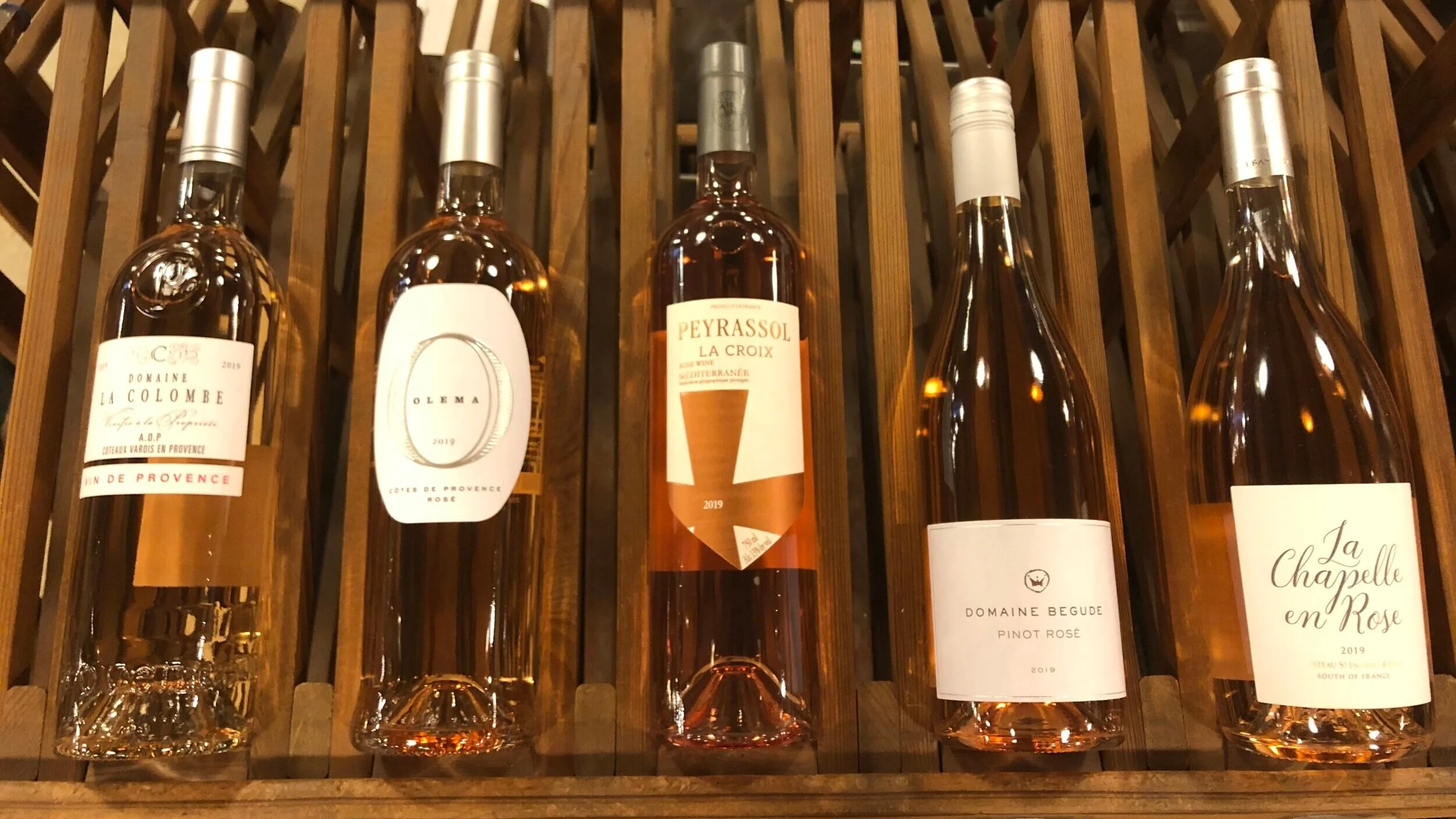
Read MoreIt’s hard to think of a better way to spend a hot holiday weekend than with some fresh and vibrant rosés! The 2023 vintage in Provence is outstanding and many of our favorites have landed. This list represents some of the best QPR drinking when it comes to classic southern French pink wines, and all of these punch well above their price point. Because we work aggressively with our suppliers, we have classic wines from Provence for a fraction of what you would find elsewhere. Thankfully it’s a long weekend, so plenty of time to try a smattering of any of these gems. Santé!
Read MoreNo conversation about rosé wine would be complete without including the sublime and capricious wines of Champagne. For me, most of the best and all of the worst Champagnes that I have had have been rosé—and for good reason. This far north, it is very tricky to get the skins of the grapes perfect, and to introduce color to the wine, at least part of it has to be macerated with the skins. In the south of France, on the coasts of Provence, the sunny, dry weather is moderated by the cooling influence of the sea, but in Champagne, even the summers can be wet, leading to rot. Most producers in the area opt to farm one small plot like a garden, using a different selection or clone of grapes, often very old vines with different pruning and lots of extra work like green harvesting. From this plot they will make a dark red wine that is blended into a base of white wine to make rosé. All three of the Champagnes in this article share this technique, and the first even a little more!
Read MoreToday's Newsletter is an ode to the underdog, the scrappy upstarts and family enterprises that don't get the limelight they deserve but nonetheless put in the daily hard work to turn out remarkable results. Domestic buyer Ryan Woodhouse showcases four of this favorite under-the-radar discoveries and small producers from the Golden State that should earn a place in your cellar. We've also got a hand-picked roster of rosé winners to jumpstart the season in fine form.
Read MoreSouthern Hemisphere wines are more exciting than ever, and K&L Buyer Thomas Smith has assembled a tour de force of the best on our shelves. Whether you’re looking for exquisite cool-climate Pinot, skin-contact summer sippers, or the most exciting producer to come out of South Africa, Thomas has got you covered.
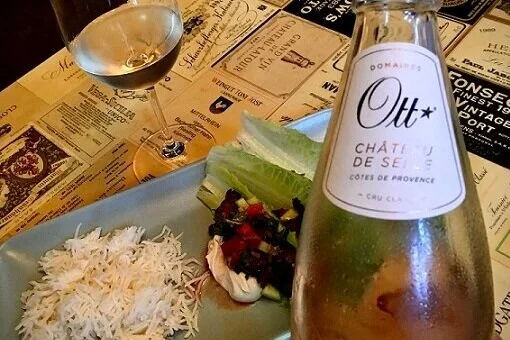
Read MoreLast night, Cinnamon and I were at a loss for words over the greatness of the 2019 Domaines Ott "Château de Selle" Côtes de Provence Rosé. This morning I woke up still thinking about it, wondering what it was that made it so special, and ran to my notebook to reflect and write…
Read MoreWe are in the middle of summer, the mercury is rising, and you want to grab that perfect bottle of rosé, but which one? Our Rhône and French Regional liaison at the Redwood City, Lauren Seward, is here to offer five glorious suggestions that should fit the bill perfectly.
Read More