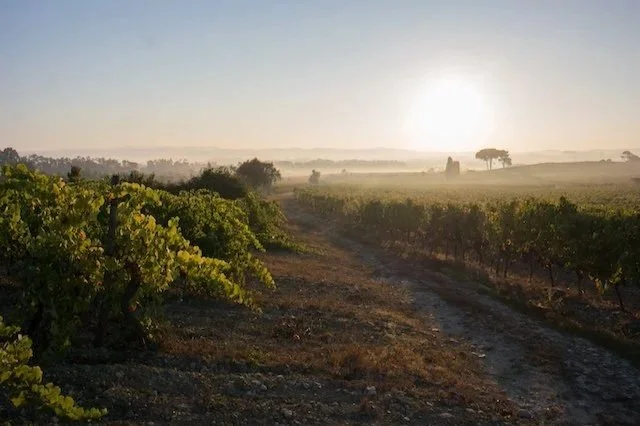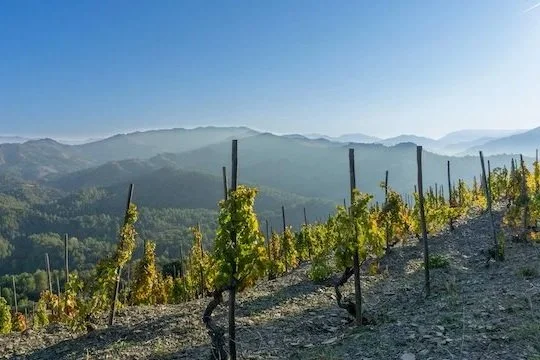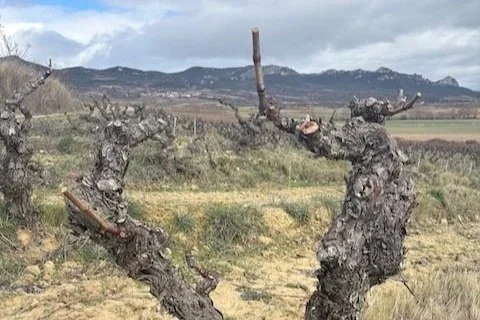


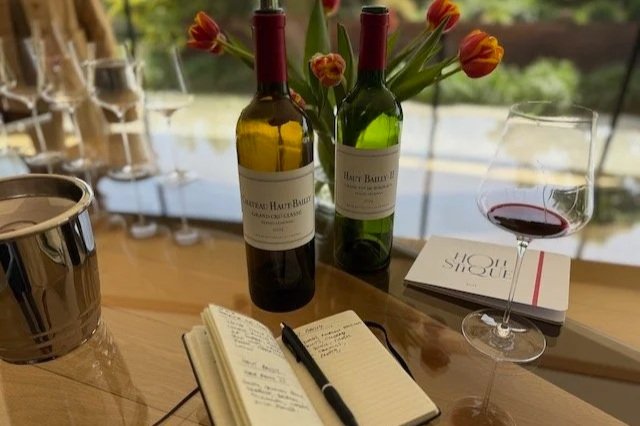

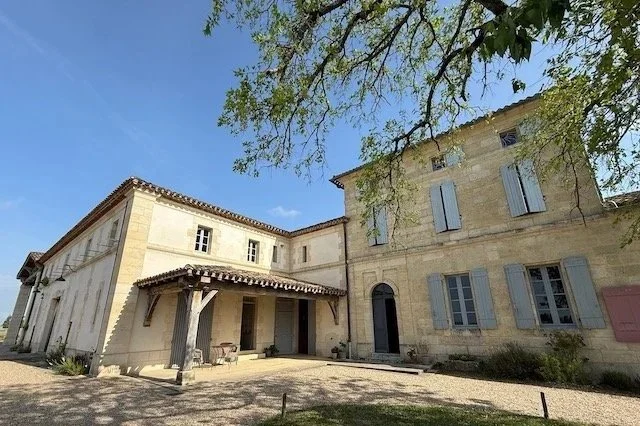

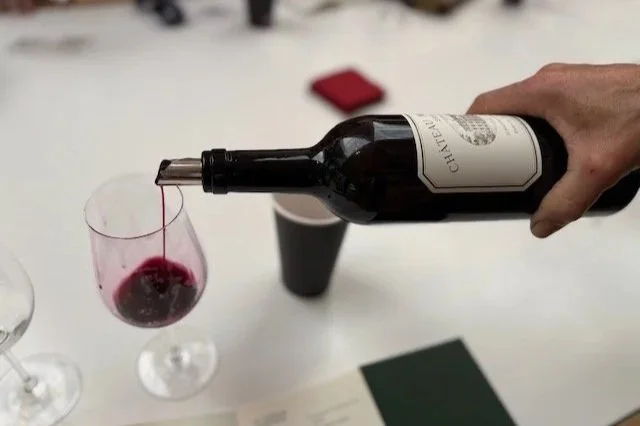


I’ve just returned from a buying trip through Spain and Portugal, and I’m more energized than ever about what these regions are delivering. Across the board—red, white, and sparkling—the quality is high, the styles are distinctive, and the pricing still works strongly in the customer’s favor. From Spain’s broad, well‑established appellations to Portugal’s incredible diversity of native varieties, the consistency and craftsmanship I tasted were impressive. The wines highlighted here are some of the bottles and categories I’m genuinely excited to share with you.
Read MoreFor decades, Cava was the dependable workhorse of the wine bar: reliable, ubiquitous, and, if I’m being honest, often uninspiring. Even in Spain, 90% of Cava sells for under 10 euros per bottle. The issue has always been one of geography. Unlike Champagne, which is a place, Cava is a method. You can make it in Catalonia, of course, but also in pockets of Rioja, Valencia, and even Extremadura. This multi-regional approach to an appellation has long frustrated small producers who believed that it obscured the quality and potential of small-scale sparkling winemaking in Penedès, where the style originated.

Read MoreNo individual is more closely associated with Bairrada’s modern identity than Luís Pato. Beginning in the 1980s, he championed single-vineyard Baga wines at a time when the grape was often dismissed as too rustic or difficult. Through meticulous vineyard management and lower yields, he demonstrated that Baga could produce wines of finesse, aromatic complexity, and aging potential comparable to great wines elsewhere in Europe. His work helped reposition Bairrada from a region known for tough, tannic reds to one capable of elegance and terroir transparency.
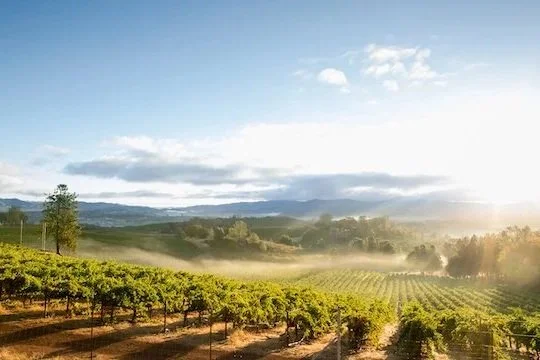
Read MoreSpain offers some of the best wine values in the world because it combines ideal growing conditions with deep-rooted tradition and relatively low production costs. Much of the country, especially regions like Rioja, Ribera del Duero, and Aragón, has abundant sunshine, varied elevations, and old vines that produce wines of great concentration and complexity.
Read MoreProducing everything from delicate, almost ethereal wines to intensely concentrated and juicy styles, Garnacha is a true chameleon. This, in my opinion, makes it a fascinating variety to explore. And with the world’s highest concentration of old vines, Spain is the country to turn to in order to understand this historic grape.
Read MoreIn recent years, Rioja has been experiencing a tidal wave of change, with many young and new winemakers eager to make their mark upon the classic region. And while Rioja might still be most well-known for the long-aged wines of the Crianza, Reserva, and Gran Reserva classification system, smaller wineries are increasingly rejecting this system in favor of the flexibility to craft wines that represent a more modern, terroir-driven perspective. The resulting “modern” Rioja wines bear the generic Rioja label, but they are anything but generic!
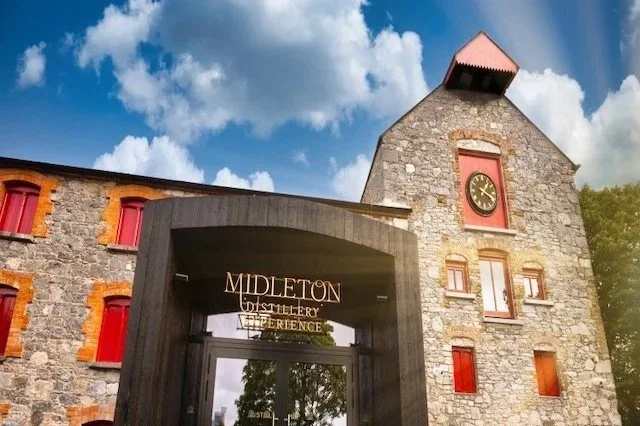
Read MoreAt K&L, we love St. Patrick’s Day not for the kitsch, but for the craftsmanship—those meticulously made whiskeys, the world‑class stouts, the modern Irish spirits driving a new wave of cocktail culture. This guide is your passport to all of it: the bottles worth hoarding, the pours worth sharing, and the proper cocktails that prove Irish spirits can do far more than fuel a party.
Read MoreOnce the global capital of whiskey, Ireland had almost 90 licensed producers and provided 70% or more of the whiskey consumed worldwide around the end of the 18th century. This is the birthplace of uisce beatha, or water of life, after all. Due to socio-economic and political issues, however, that industry contracted to only three distilleries by the mid 1900s. Thankfully, they’re experiencing a renaissance today similar to that of American whiskey, and the quality of product keeps getting better.
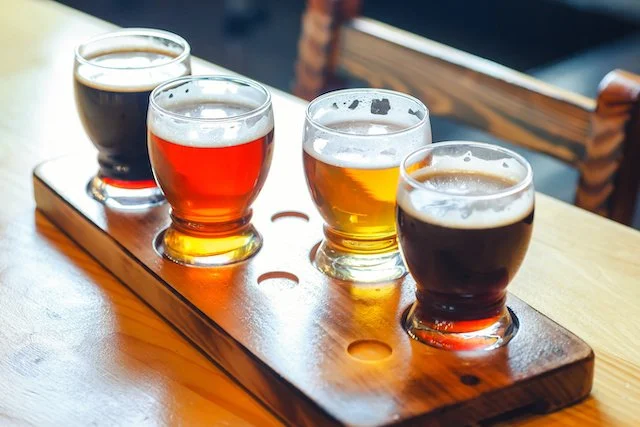
Read MoreIreland is famous for its rich, bone-warming stouts and easy‑drinking red ales, but you don’t need to limit yourself to imports to get into the spirit of St. Patrick’s Day. Some of the best American craft breweries are turning out beers that channel the classic styles of Ireland—with creativity, precision, and plenty of character.
Read MoreFor a long time, I've believed that if K&L were ever to expand beyond California, New York would be the right place to do it. Not just because of the market, but because New York wine and spirits lovers are exactly the kind of customers K&L was built for: knowledgeable, passionate, and willing to reward a shop that does the work.
Read MoreThis year, we have the great honor of celebrating K&L’s 50th anniversary! Back on New Year’s Eve 1976, when K&L Liquors opened its doors in Milbrae, it’s hard to imagine that owners Todd Zucker and Clyde Beffa would have had any idea the longevity, not to mention the impact, that their small business has enjoyed. From selling cigarettes and Everclear to becoming one of the preeminent Bordeaux merchants on the West Coast, K&L has been able to stay nimble as times change, while still offering affordable prices and exceptional quality.
Read MoreFebruary offers a fresh look at the depth and range of American wine, and this month’s domestic lineup at K&L shows just how compelling and approachable the category has become. From sharply priced, high-scoring Napa Valley Cabernet to small-production Oregon Pinot Noir and Chardonnay with a real sense of place, these bottles highlight the sweet spot where pedigree meets value. We’ve also taken on one of our favorite challenges: just how well can you drink for under $30? Very well, as it turns out. Alongside those everyday standouts, you’ll find a selection of luxurious 97–100-point whites and reds suited for collectors and special occasions alike. Whether you’re refilling the cellar, discovering new producers, or hunting for benchmark bottles without benchmark prices, this newsletter will guide the way. And don’t miss our upcoming in-store tastings and events, where many of these wines come to life in the glass.
Read More