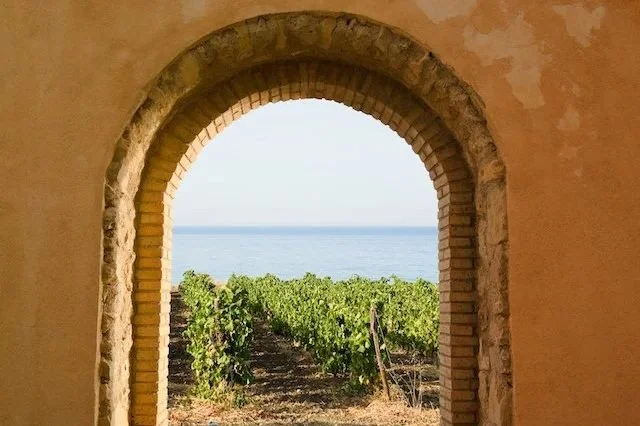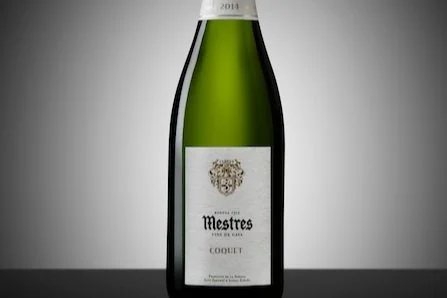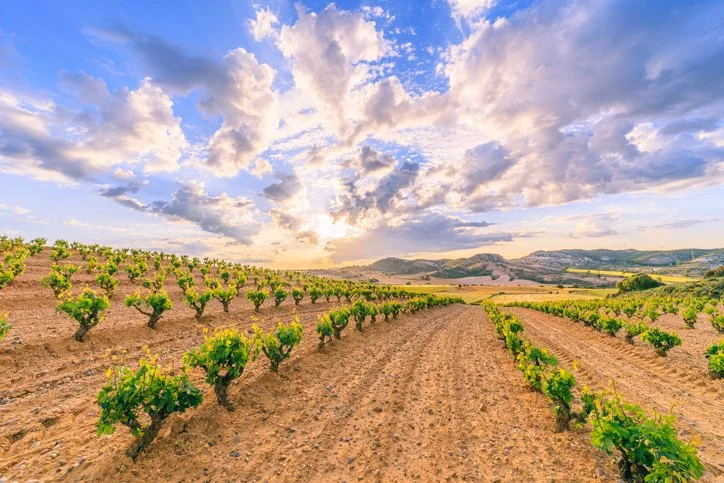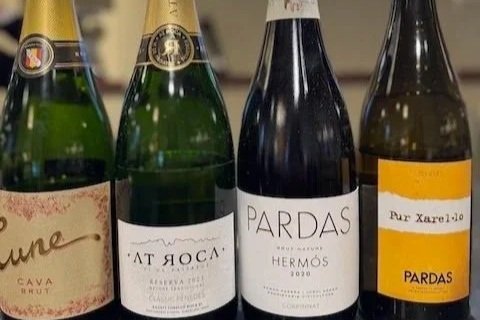
For decades, Cava was the dependable workhorse of the wine bar: reliable, ubiquitous, and, if I’m being honest, often uninspiring. Even in Spain, 90% of Cava sells for under 10 euros per bottle. The issue has always been one of geography. Unlike Champagne, which is a place, Cava is a method. You can make it in Catalonia, of course, but also in pockets of Rioja, Valencia, and even Extremadura. This multi-regional approach to an appellation has long frustrated small producers who believed that it obscured the quality and potential of small-scale sparkling winemaking in Penedès, where the style originated.
Read MoreSpain offers some of the best wine values in the world because it combines ideal growing conditions with deep-rooted tradition and relatively low production costs. Much of the country, especially regions like Rioja, Ribera del Duero, and Aragón, has abundant sunshine, varied elevations, and old vines that produce wines of great concentration and complexity.
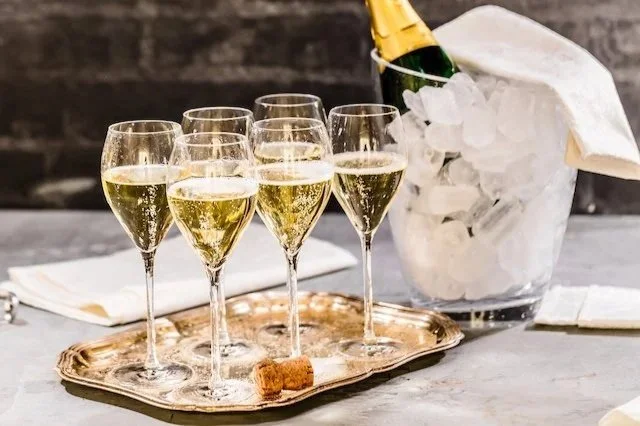
Read MoreSparkling wine shines on jubilant occasions—whether you're pouring for a crowd or savoring something special with close company. Below is a focused selection of our essential bottles for welcoming 2026, drawing from Champagne, Spain, Italy, and standout domestic producers. These are the wines we trust completely, stock by the case, and reach for ourselves whenever celebration calls (often well before the clock strikes midnight).
Read MoreThe quality arising from small, family-owned wineries in the Cava DO has never been better. These are wines made in the traditional method, aged just as long (if not longer) than Champagne, and offered at incredibly reasonable prices. If you haven’t had Cava in a while–or tried a Corpinnat–here are my top selections that will probably surprise you with just how good they are.
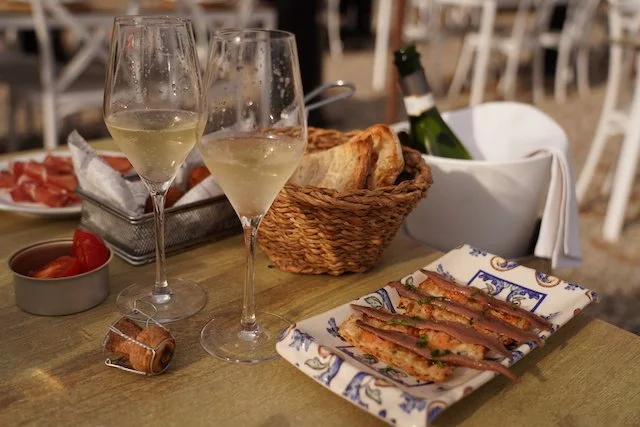
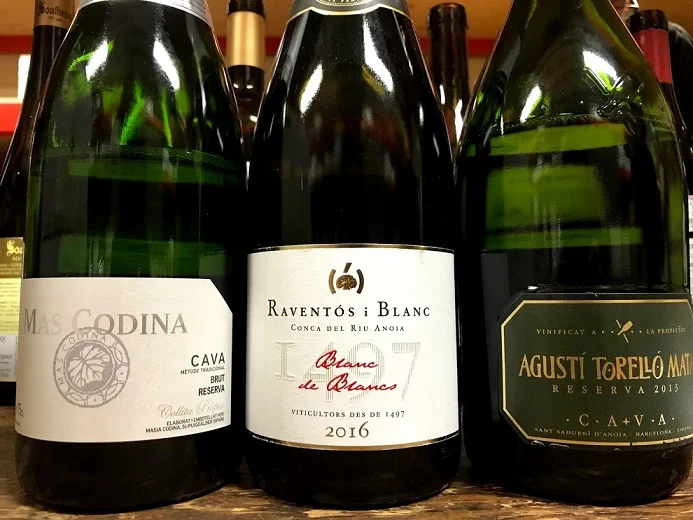
Read MoreI'm sure I've said this before, but I really enjoy a tasting that feels more like a multi-course dinner than just a straightforward tasting. Our Buyer Rachael Ryan really puts together a nice tasting that has this kind of complete feel. We started off last week’s Spanish and Portuguese tasting with the super classic and super delicious Mas Codina Cava Brut Reserva Penedès $13.99, one of my favorite bottles of bubbles when I don’t want to spend the money for Champagne. It’s still made in the traditional Méthode Champenoise and is a delicious clean and crisp style of sparkling wine. It's fantastic.
Read MoreSalt, stone, and sun. This issue channels the Mediterranean’s clean lines—precise rosé, sea-sprayed whites, volcanic reds, and traditional-method sparklers—handpicked by Keith, Rachael, and Orazio. Smart values to cellar pieces, all built for warm-weather tables.
Read MorePriorat, like so many classic regions in Spain and beyond, is having a renaissance. Though once known for rich, extracted wines with big points to match, many new winemakers on the scene are harvesting earlier and fermenting the wines more gently, avoiding any harsh over-extraction of tannins.
Read MoreThere are several great things about the sparkling wines of Spain. My very favorite is the ratio of quality to value. You can get some excellent wines of superior quality for under $40. I had the opportunity, care of K&L Spanish & Portuguese Wine Buyer Kirk Walker, to taste quite a few of these on Valentine’s Day eve. I am familiar with some of them while others are brand new to me.
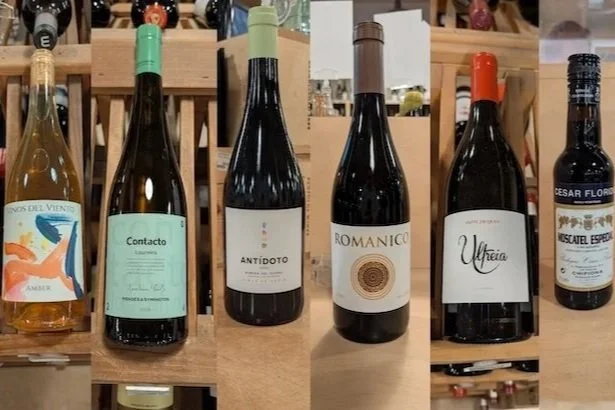
Read MoreIndigenous grapes, old-vine vineyards, organic farming, fresh new talent, and diverse terroir: this is the new Spain. If you haven’t revisited the Spanish wine aisle in awhile, you’ll be amazed at all the fresh energy pouring out of the country in vinous form. Let Spain Wine Buyer Kirk Walker take you on a tour of his favorite spots and producers in today’s newsletter.
Read MoreLet’s talk Cava. Spain’s answer to Champagne may inhabit a value price point on the shelf, but it can often punch way above its weight, made in similarly intricate methods as Champagne, with a distinctive personality from Spanish grapes and a warm-climate flair.
Read More