The 2025 Bordeaux En Primeur campaign has generated more questions than any vintage in recent memory—about quality, pricing, tariffs, and whether to buy now or wait. Here are the answers to the questions we're hearing most from collectors, with links to the full analysis where relevant.
I don't think Bordeaux 2025 compares to anything else, from the growing season to the En Primeur campaign. Harvests were as early as they've been since 1989 and yields were as low as they were in 1961. The solar vintage seemed to hint at 2022, but the result is something far more restrained. It's with these thoughts that I'd advise throwing all other vintage comparisons out the window and consider 2025 like this: there are a lot of remarkable wines that are very refreshing in style, complex in structure, and at prices that range from sharp to can't miss.
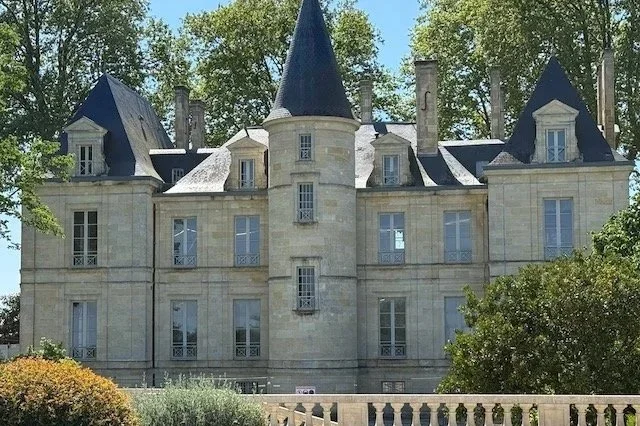
When speaking of Bordeaux, Graves and Pessac-Léognan are often left out of the conversation when discussing the Left Bank/Right Bank divide. This is a glaring omission. Some of the region's best wines and values can be found here—and in 2025, the appellation delivered at every level, from the grand crus to the everyday drinking wines, and from the reds to what may be the finest dry whites of the entire campaign.
2025 Bordeaux is one of the strongest vintages in recent memory, released at prices that may not last. The campaign is winding down, larger formats are going first, and the best allocations are already moving. Here is how to make sure you don't miss it.
Where the Left Bank impressed with structure and precision, the Right Bank was about texture. We spent the first half of our trip across the Médoc and Pessac-Léognan, and the wines were stunning. But the moment we crossed to the Right Bank, the whole character of the vintage shifted under our feet. Where the usual suspects of the Haut-Médoc and the Graves showed depth and promise, the Merlot- and Cabernet Franc-dominated wines of Saint-Émilion and Pomerol gave us something more generous—silky, expressive wines layered with minerality.
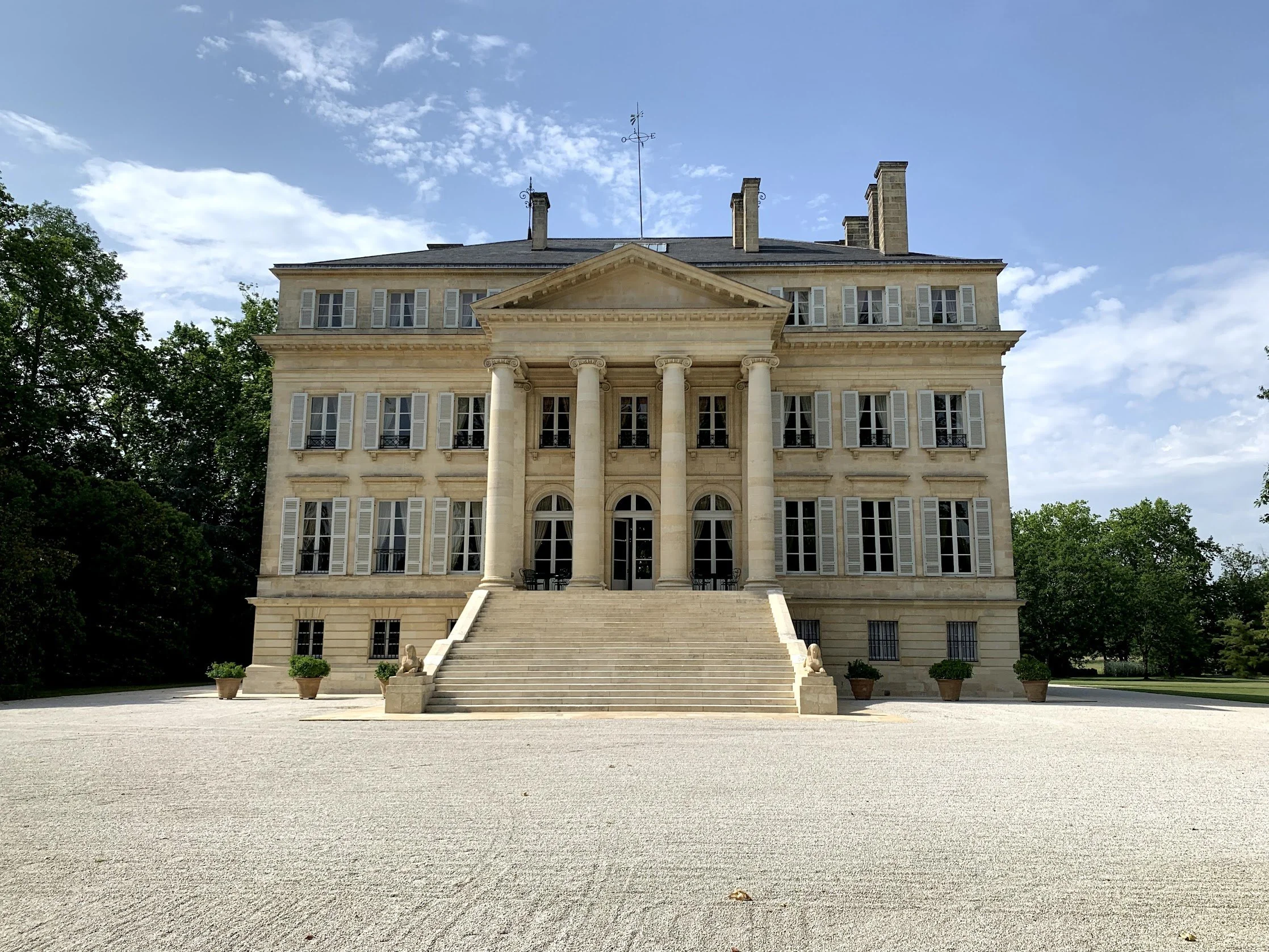
The 2025 Left Bank delivered across all four major appellations—but not uniformly, and not in the way recent vintages have prepared us for. Pauillac produced wines of extraordinary density off half the usual crop. Saint-Julien was the steadiest appellation of the entire campaign, top to bottom. Margaux, rescued by sixty millimeters of rain at exactly the right moment, was the appellation of the vintage. And Saint-Estèphe's clay gave the commune a tension the south had to chase. Here is what we found.
If you asked me to describe my perfect Bordeaux vintage, I'd say good concentration, purity, freshness, with moderate levels of alcohol. Balance and full ripeness, but with a sense of weightlessness and texture. That is very nearly exactly what 2025 delivered.
This is a fascinating time for Bordeaux. The wines are as good as they have ever been, and pricing for many releases has fallen to levels that remind us of campaigns from a decade ago. Few regions in the world can offer this combination of pedigree, quality, ageability, and value.
Most serious collectors share a common frustration. The desire is there: the curiosity, the passion, the genuine excitement about what's in the glass. What's harder to come by is the time to track down the right bottles, the relationships to access what never makes it to a shelf, and the confidence to know you're building something coherent rather than just accumulating. The wine world doesn't make it easy. Allocations disappear before you hear about them. Producers you've read about for years are nearly impossible to source. And the sheer volume of what's out there, across regions, vintages, producers, and formats, can make even an enthusiastic collector feel like they're perpetually one step behind.
That's the problem Private Client Services was built to solve.
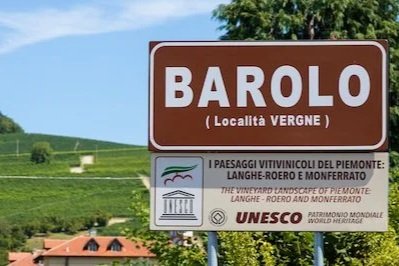
If 2016 was the vintage of power and 2019 was the vintage of austerity, 2021 in Barolo is the vintage of complete nobility. As these wines finally start to reach our shelves, the verdict from the Langhe is unanimous: this is a “modern classic”year. The spine-tingling acidity of the past meets the polished winemaking and tannin management of the present.
While 2022 had more predictable yields, 2023 saw a harvest around 30% higher than normal, forcing winemakers to be selective both in the vineyard and on the sorting table. If there is a key word repeated to describe the 2023 vintage, it is abundant.
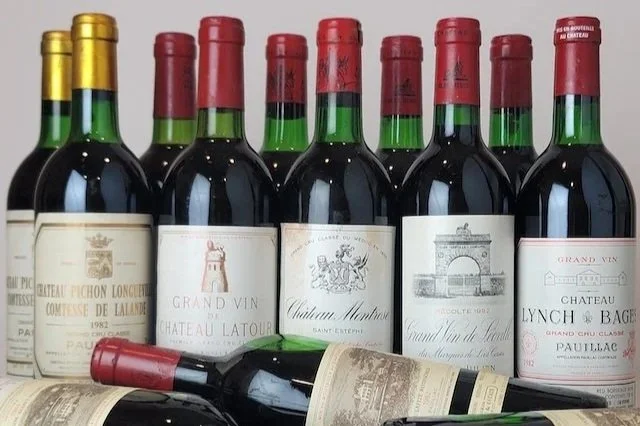
First Growths remain the gold standard: stalwarts with a proven track record and the anchor of any serious cellar. They are the foundation of the kinds of collections we are most privileged to help our private clients build.
Think of us as the advisor you've always wished you had on speed dial. Someone who knows your cellar, understands what excites you, and does the legwork: the sourcing, the vetting, the relationship-building with producers and brokers, so you don't have to. Our team brings decades of combined experience, deep buying relationships across the U.S., Europe, and beyond, and the kind of access that comes from being one of the most respected wine retailers in the country. When something rare surfaces, a private cellar acquisition, an early allocation, a parcel directly from Bordeaux or Burgundy, our Private Client advisors hear about it first.
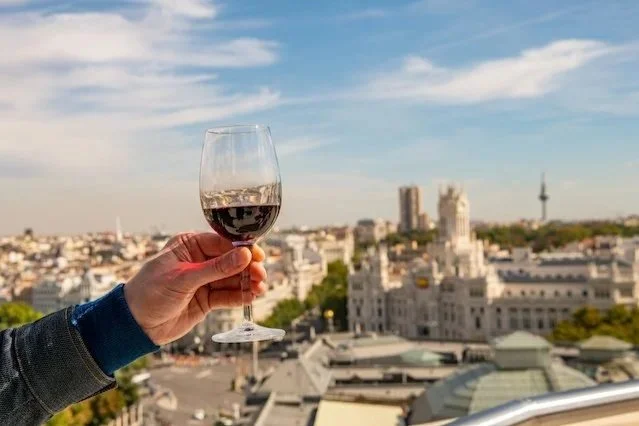
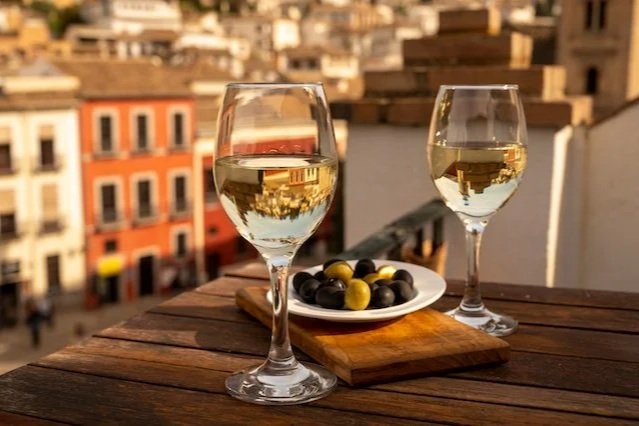
I’ve just returned from a buying trip through Spain and Portugal, and I’m more energized than ever about what these regions are delivering. Across the board—red, white, and sparkling—the quality is high, the styles are distinctive, and the pricing still works strongly in the customer’s favor. From Spain’s broad, well‑established appellations to Portugal’s incredible diversity of native varieties, the consistency and craftsmanship I tasted were impressive. The wines highlighted here are some of the bottles and categories I’m genuinely excited to share with you.
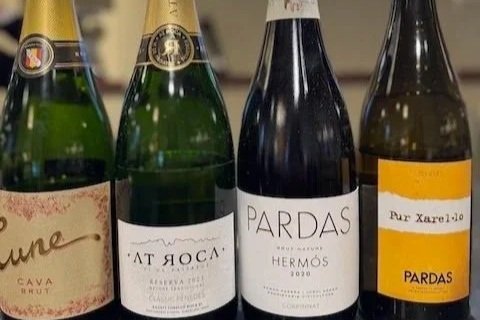
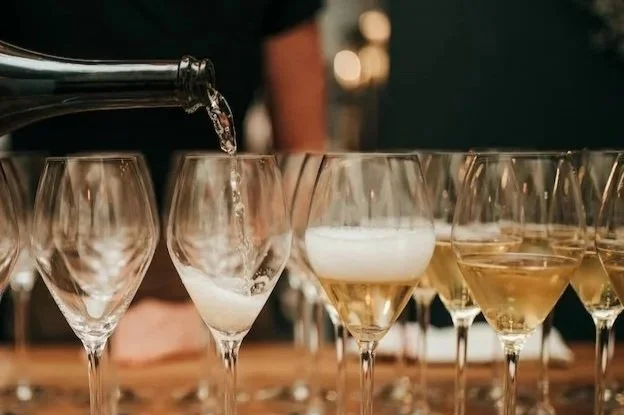
For decades, Cava was the dependable workhorse of the wine bar: reliable, ubiquitous, and, if I’m being honest, often uninspiring. Even in Spain, 90% of Cava sells for under 10 euros per bottle. The issue has always been one of geography. Unlike Champagne, which is a place, Cava is a method. You can make it in Catalonia, of course, but also in pockets of Rioja, Valencia, and even Extremadura. This multi-regional approach to an appellation has long frustrated small producers who believed that it obscured the quality and potential of small-scale sparkling winemaking in Penedès, where the style originated.
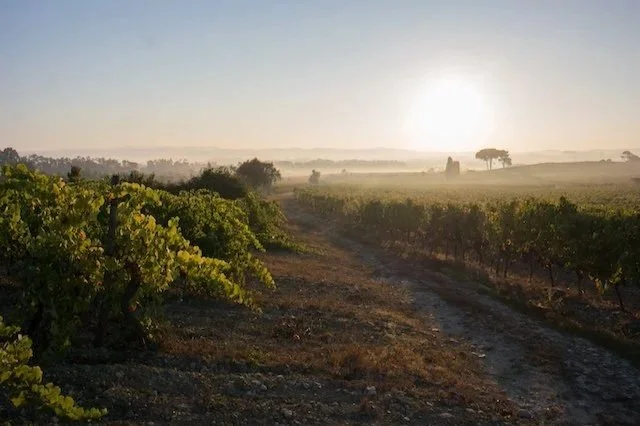
No individual is more closely associated with Bairrada’s modern identity than Luís Pato. Beginning in the 1980s, he championed single-vineyard Baga wines at a time when the grape was often dismissed as too rustic or difficult. Through meticulous vineyard management and lower yields, he demonstrated that Baga could produce wines of finesse, aromatic complexity, and aging potential comparable to great wines elsewhere in Europe. His work helped reposition Bairrada from a region known for tough, tannic reds to one capable of elegance and terroir transparency.
Spain offers some of the best wine values in the world because it combines ideal growing conditions with deep-rooted tradition and relatively low production costs. Much of the country, especially regions like Rioja, Ribera del Duero, and Aragón, has abundant sunshine, varied elevations, and old vines that produce wines of great concentration and complexity.
Producing everything from delicate, almost ethereal wines to intensely concentrated and juicy styles, Garnacha is a true chameleon. This, in my opinion, makes it a fascinating variety to explore. And with the world’s highest concentration of old vines, Spain is the country to turn to in order to understand this historic grape.
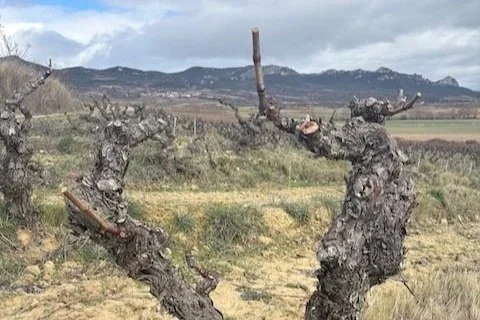
In recent years, Rioja has been experiencing a tidal wave of change, with many young and new winemakers eager to make their mark upon the classic region. And while Rioja might still be most well-known for the long-aged wines of the Crianza, Reserva, and Gran Reserva classification system, smaller wineries are increasingly rejecting this system in favor of the flexibility to craft wines that represent a more modern, terroir-driven perspective. The resulting “modern” Rioja wines bear the generic Rioja label, but they are anything but generic!
Join us on Tuesday, March 24th, to dine with four of France’s great wine families at a rare, one‑night‑only dinner at Frances in Hayes Valley, San Francisco. We’ll taste exquisite Burgundy, Chablis, and Champagne alongside the benchmark wines of Alsace, guided by the people who steward these estates. This very special gathering offers a singular chance to explore the breadth of French wine at the highest level, in the company of those who know it best.