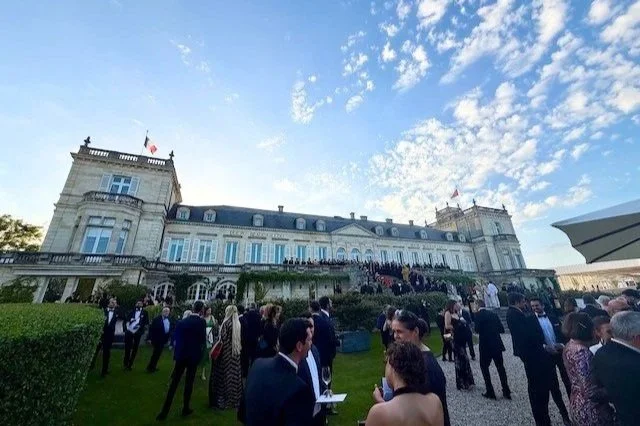
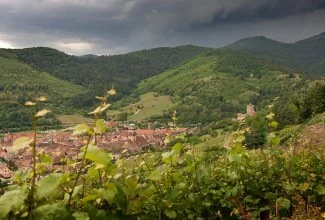
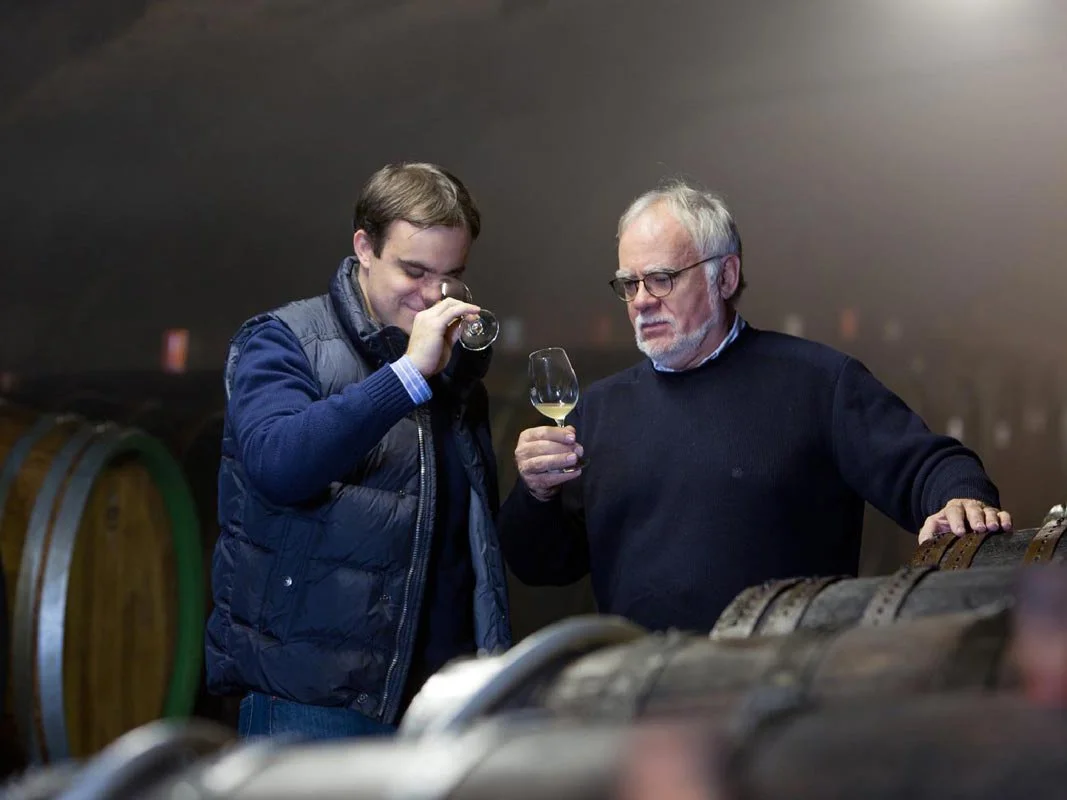
Few wineries have a history as long and as storied as Domaine Weinbach, which can trace its origins back to vines that were planted on the property in the 9th century. It was eventually established as a winery in 1612 by the Capuchin friars. Named after a stream that runs through the property, it was purchased in 1898 by the Faller Family, which still runs it today. Since 2016 Catherine Faller has run the estate with the help of her two sons Eddy and Theo, employing both organic and biodynamic farming practices. The wines of Domaine Weinbach are wonderful representations of Alsace with a focus on purity, balance, and elegance. Weinbach consistently ranks among the top two to three producers in all of Alsace.
Traditionally some of the first wines we receive from each new German vintage release are the wines of Max Ferdinand Richter. We eagerly await these wines as they are always great barometers of the quality of the vintage. I am happy to report that the wines of Max Ferdinand Richter are once again great—and with critical scores from both Mosel Fine Wines and the Wine Advocate, the critics agree. Even more importantly, these are some of the most economical offerings around. We have a wonderful selection that goes from Kabinett all the way to Auslese.
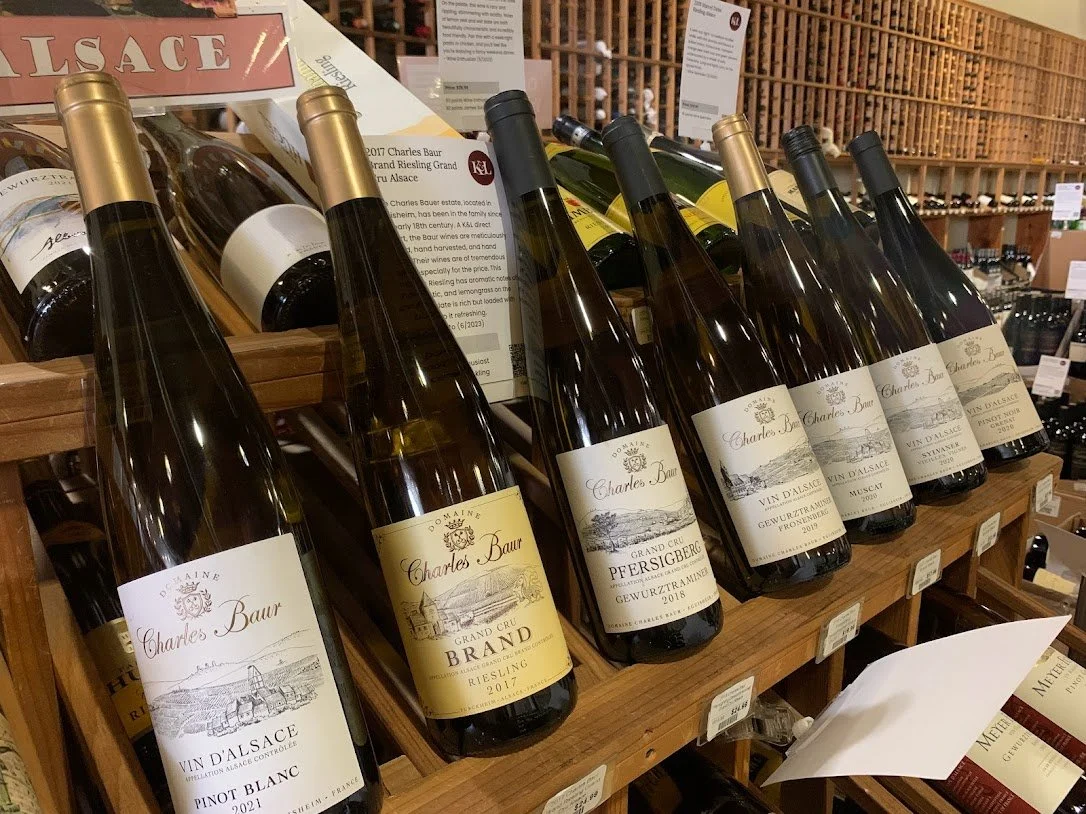
It is truly a shame that Alsace gets overlooked when discussing the best white wine values in the world. Alsace may not beat their chest and scream from the mountain tops that they are the epicenter of white wine values, but there truly are some great wines that are priced incredibly well. Charles Baur is easily one of my favorite producers just based on the breadth of great white wines he produces across the aromatic spectrum. With a string of strong vintages, Charles Baur has stacked one great wine value after another. Regardless of vintage we have the right wine at the right price for you to explore the wonders of Alsace.
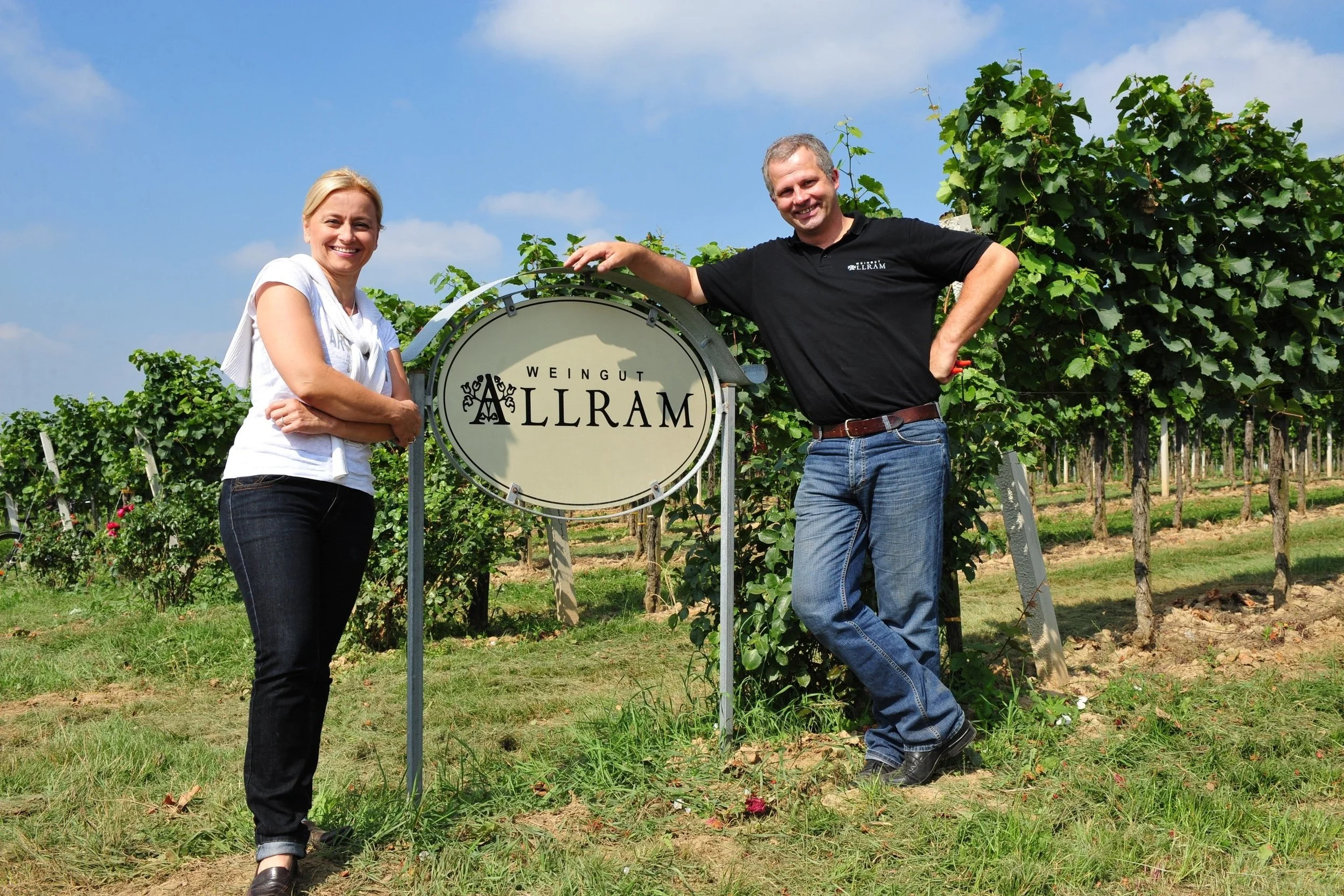
Austria is at a watershed moment, and 2021 looks to be one of the greatest vintages they have produced in the last 40+ years—that’s on top of a string of vintages that run from good-to-better-to-great! Most exciting are the incredible wines coming to us from Weingut Allram, one of our Direct Import producers who offers price-to-quality ratio that is insanely good.
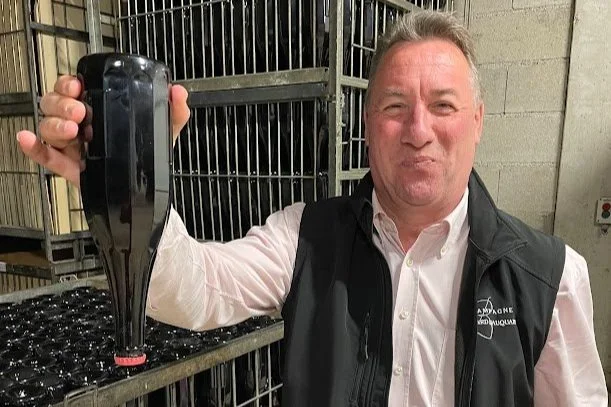
This past May I had the chance to drive all the way up to the very top of Champagne to the village of Cormicy. I was there to visit Christophe Boulard at Champagne Boulard-Baquaire, and it had been too long since I had seen him and visited the winery. Now, his wines have just come back in stock, and I would like to share their story with you.
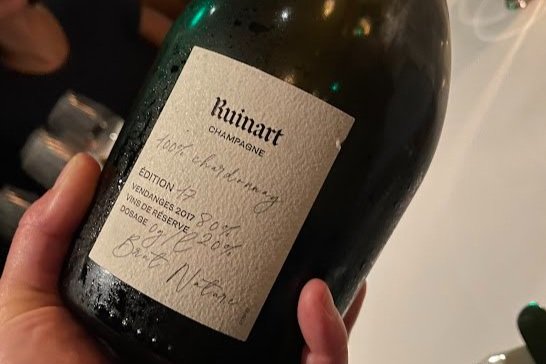
This Wednesday I was invited to dinner at Selby’s by Louise Bryden, head of research and development and part of the winemaking team at Champagne Ruinart. She is touring the West Coast for the release of the Ruinart Blanc Singulier Brut Nature, the first new cuvée to be released by Ruinart since the non-vintage blanc de blancs over 20 years ago. It was a fantastic evening, and we were even served by the Ruinart Challenge winner—Lindsey Young from Selby’s—who had taken the prize that very morning in San Francisco!
I think it took me at least two years to figure out the proper pronunciation for this winery, it’s [FEL-zina], so don’t feel bad if you didn’t have it correct. I was with Giuseppe Mazzocolin, the then manager of the winery and son-in-law of the owner. Giuseppe had a background in classics—not winemaking or anything to do with it—but he nonetheless jumped in to help resurrect the winery. The Poggiali Family purchased the property in 1966 and began renovating it. In the late 1970s Giuseppe arrived and changed the game.
Back 100 years ago Alto Piemonte was the place for wine in Piedmont and also the Pope’s favorite. Now, as climate change has made ripening less of a challenge in Alto Piemonte, more and more producers have started to expand into that territory, and it has drawn natives like Paolo de Marchi of Chianti’s Isole e Olena back to make wine on their home turf.
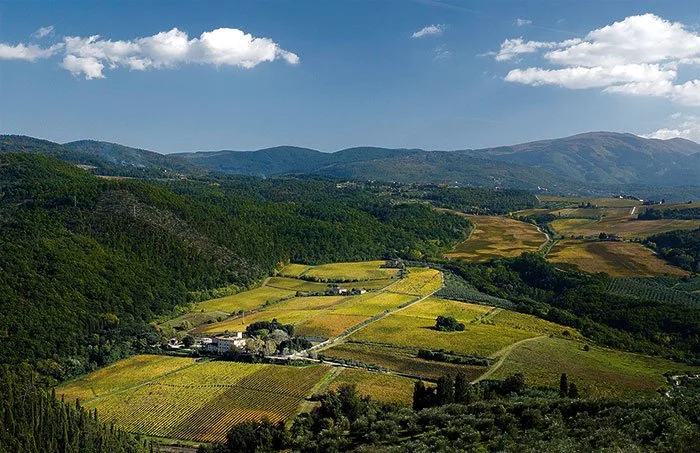
One of Tuscany’s least-known appellations is Chianti Rufina, so often pronounced incorrectly and confused with the Chianti producer Ruffino. The DOC is pronounced [ROO-fin-ah] and the producer is pronounced [Roof-fino], which is confusing even more when you know that the Ruffinos sold to Folonari and then bought Folonari. So the Folonaris own Ruffino and the Ruffinos own Folonari…alas, I digress.
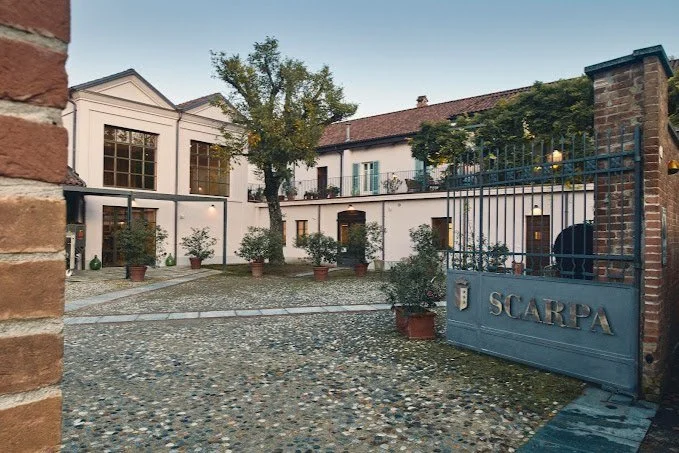
Unlike in Tuscany, where wineries are frequently 600-700 years old or more, in Piedmont you’re old if it’s been 100 years. Scarpa is one of those that counts as ancient in Piedmont, founded by Antonio Scarpa in 1854 then sold to Mario Pesce in 1949. It was in the 1960s and early 1970s that Scarpa became a player by buying multiple properties and producing single-vineyard wines, which was not common in those days. Today, their wines celebrate their roots by leaning into the old-school style of the 1960s and 70s.
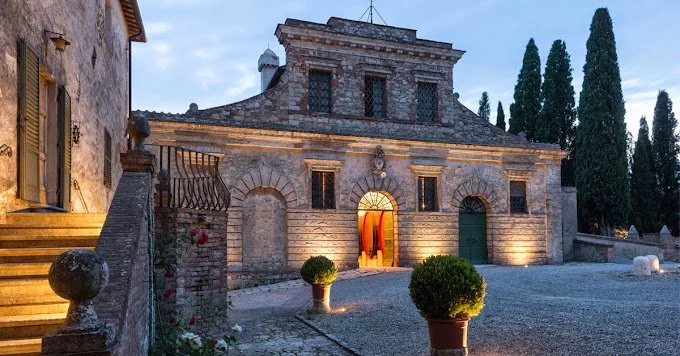
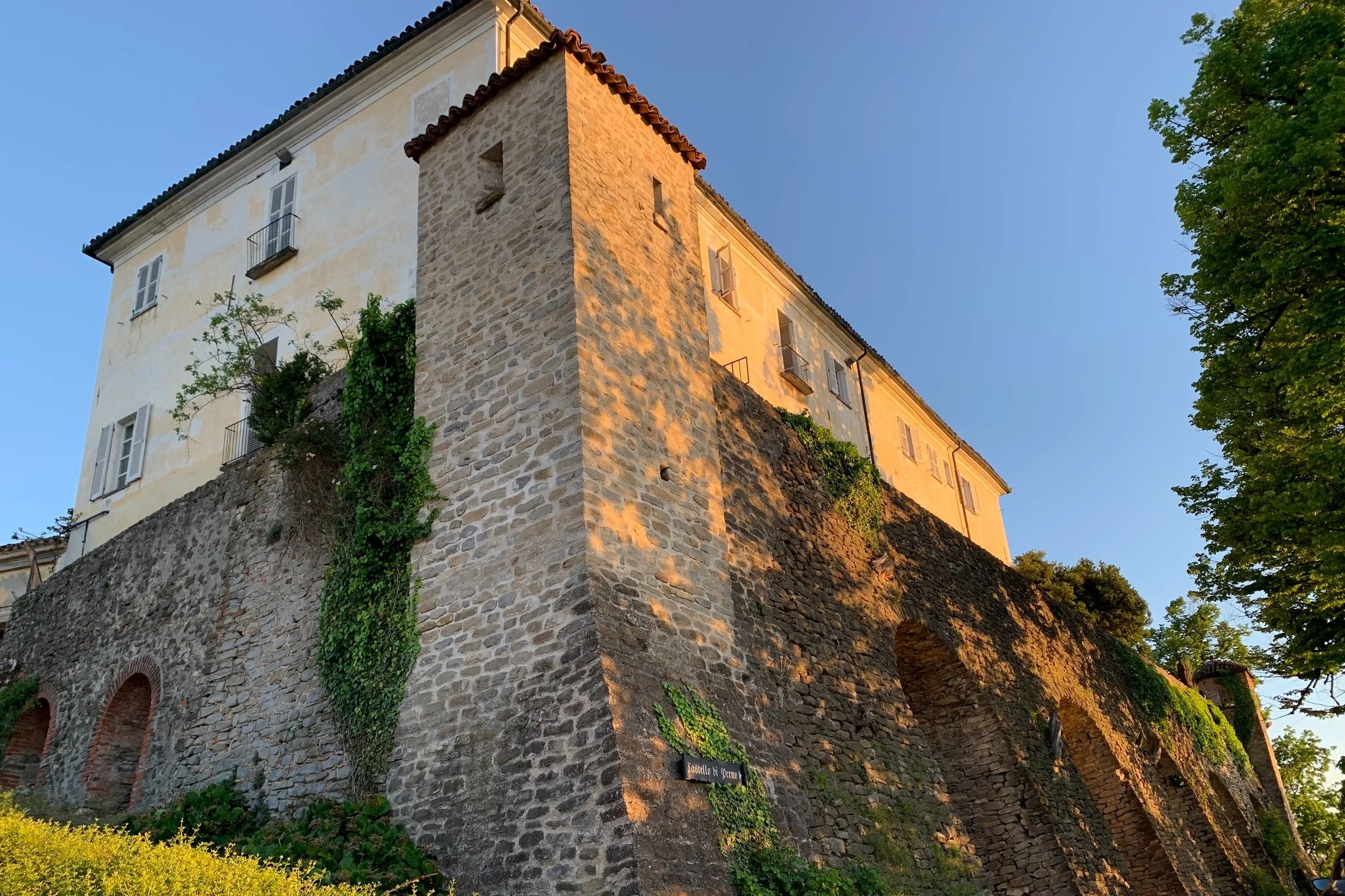
Call me silly but I always find staying in castles a bit exciting—not that I’m into hanging out over the ramparts, but there’s just something about it. It’s no different at the Castello di Perno except this small castle is poised on a ridge above the village of Monforte d’Alba, one of my favorites in Barolo. It’s an old castle, but the thing that is really interesting is that Giulio Einaudi, one of Italy’s most famous publishers, owned this up until 2012 when Giorgio Gitti purchased it and the estate. They still have Einaudi’s library, and it gave me goosebumps when I visited and walked over the creaking wooden floor and smelled the dusty old manuscripts—it made me feel like I was in a castle!
Every time I write an introduction for one of these newsletters I feel a great weight, like all of Italy is depending on me to explain their wines, because a lot of the wines do take some explaining! Italy’s bountiful wine culture produces a plethora of styles from hundreds of unique varieties—it’s really complicated. It’s not just grape varieties that contribute to the intricacy of the wine culture; it’s the varied terrain of mountains, valleys, cliffs, plus a myriad of different trellising methods—and then there’s diverse winemaking methods such drying the grapes as well. But this month I’ll be talking about Italy’s bread and butter—or maybe focaccia and olive oil—with a focus on Piedmont and Tuscany, new and old.